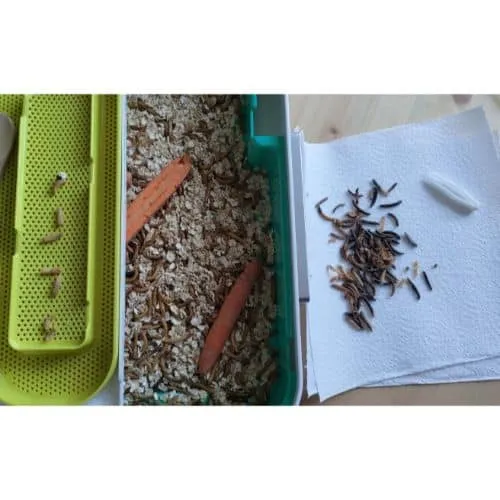
Mealworms & Tarantulas The Risks
Keeping a tarantula as a pet can be a rewarding experience, but it’s crucial to understand their needs, especially when it comes to diet. Mealworms are a common food source for tarantulas, readily available and easy to store. However, despite their convenience, mealworms come with potential risks that every tarantula owner should be aware of. This article delves into the top five risks associated with feeding mealworms to your tarantula, providing you with the knowledge to ensure your pet’s health and well-being. Understanding these risks will help you make informed decisions about your tarantula’s diet and overall care, promoting a long and healthy life for your eight-legged friend. Considering the potential downsides, it’s essential to consider alternatives and best practices when including mealworms in a tarantula’s diet.
Chitin & Mealworm Digestion
Mealworms are encased in a tough outer shell composed primarily of chitin, a complex carbohydrate. While tarantulas can digest chitin to some extent, the process is not always efficient. The exoskeleton’s resilience can make it challenging for the tarantula’s digestive system to break down the mealworm completely. This difficulty in digestion is a fundamental concern. The high chitin content can lead to various digestive issues, especially if mealworms constitute a significant portion of the tarantula’s diet. This can lead to impaction and other health problems if not managed carefully. Understanding this aspect is crucial for responsible tarantula ownership, as it informs how frequently and in what quantities mealworms should be offered, as well as the importance of supplementing with other, more easily digestible foods.
Why Mealworms Are Difficult to Digest

The primary reason mealworms can be difficult to digest is the high chitin content in their exoskeletons. Chitin is a complex polysaccharide that requires specific enzymes for effective breakdown, and tarantulas may not produce these enzymes in sufficient quantities to fully digest a diet heavily reliant on mealworms. This can result in undigested mealworm parts remaining in the tarantula’s gut, leading to potential complications. The undigested chitin can accumulate over time, contributing to impaction or other digestive disorders. This is why it is important to provide a varied diet for your tarantula, ensuring they receive the nutrients they need without overworking their digestive system. Feeding a balanced diet is key to maintaining their health.
Potential Gut Impaction in Tarantulas
One of the most significant risks associated with feeding mealworms to tarantulas is the potential for gut impaction. This occurs when undigested food, often chitin-rich mealworm exoskeletons, accumulates in the tarantula’s gut, forming a blockage. This blockage prevents the passage of waste, leading to discomfort, illness, and potentially death. The larger the tarantula, and the more mealworms that are eaten, the higher the risk of this serious health issue. Understanding the signs of gut impaction and knowing how to prevent it is critical for the wellbeing of your tarantula. This highlights the importance of a balanced diet and appropriate feeding practices when caring for these fascinating creatures.
Signs of Gut Impaction
Recognizing the signs of gut impaction early on can significantly improve your tarantula’s chances of recovery. Common indicators include a loss of appetite, lethargy, and a swollen abdomen. You might also observe the tarantula spending excessive time in a specific spot, or a noticeable lack of fecal matter. In more severe cases, the tarantula may exhibit regurgitation, or difficulty moving. It is essential to monitor your tarantula’s behavior and appearance regularly to catch these symptoms early. If you suspect impaction, immediate action is required. Consulting with a veterinarian experienced with tarantulas or reptile specialists is also recommended.
What to Do if You Suspect Impaction

If you suspect your tarantula has gut impaction, the first step is to stop feeding them mealworms immediately. Provide access to fresh water and maintain the appropriate temperature and humidity levels in their enclosure. You might try gently encouraging the tarantula to drink by dripping water near its mouth. Some keepers also recommend gently massaging the abdomen to aid the passage of any blockage, but this should be done with extreme caution. More severe cases require professional intervention. This may include veterinary treatment such as fluid therapy, or in the most critical cases, surgical intervention. Early detection and intervention are vital to ensuring the tarantula’s health.
Pesticide Exposure from Mealworms
Mealworms, like any insect, are susceptible to pesticide exposure. If the mealworms are sourced from a supplier that uses pesticides on their crops, these chemicals can accumulate in the mealworm’s body and subsequently be ingested by your tarantula. Pesticide poisoning can lead to a range of health issues in tarantulas, including neurological damage, digestive problems, and even death. It’s vital to know the source of your mealworms and ensure they are raised in an environment free from harmful chemicals. Choosing reputable suppliers committed to pesticide-free practices is the best way to protect your tarantula from the risks of pesticide exposure. Careful sourcing is critical to protecting your pet.
Sourcing Safe Mealworms
To minimize the risk of pesticide exposure, always source your mealworms from a trusted supplier who prioritizes quality and safety. Look for suppliers who can provide information about their farming practices, including the absence of pesticides and other harmful chemicals. Buying mealworms locally from a pet store, or from a breeder specializing in reptile and arachnid food, is often a good way to guarantee you are getting healthy insects. Furthermore, consider raising your own mealworms if you have the space and resources; this ensures complete control over their diet and environment. Regularly inspect the mealworms for any signs of illness or contamination before feeding them to your tarantula. Being diligent about your source can make a significant difference.
The Importance of Gut-Loading Mealworms

Gut-loading mealworms refers to feeding them a nutritious diet prior to feeding them to your tarantula. This practice enhances the nutritional value of the mealworms, ensuring your tarantula receives a more balanced diet. By feeding mealworms a diet rich in vitamins, minerals, and essential nutrients, you can compensate for some of the nutritional deficiencies that mealworms may have on their own. This will help provide a more rounded diet for your tarantula, and is an important step towards ensuring their well-being. Gut-loading also helps improve the overall health of the mealworm, making them a healthier meal for your tarantula, this also increases their health and lifespan.
Nutritional Imbalance Mealworms for Tarantulas
Mealworms, even when sourced and prepared carefully, are not a perfect food source. They can contribute to nutritional imbalances in a tarantula’s diet. Specifically, they are often high in fat and have an imbalanced calcium-to-phosphorus ratio. Providing a varied diet that includes other insects can help balance these nutritional deficiencies. An imbalanced diet can lead to health problems over time. This highlights the necessity of offering a wide variety of food items to maintain your tarantula’s overall well-being. This includes crickets, roaches, and even fruits in some cases.
Calcium to Phosphorus Ratio
Mealworms naturally have a lower calcium-to-phosphorus ratio than what is ideal for tarantulas. Phosphorus inhibits calcium absorption, which is essential for the formation of a healthy exoskeleton. Over time, a diet that is low in calcium and high in phosphorus can lead to molting issues and skeletal problems. This deficiency emphasizes the importance of supplementing your tarantula’s diet with calcium. Dusting mealworms with calcium powder before feeding can help address this imbalance, contributing to the health and strength of your tarantula’s exoskeleton and overall well-being. Ensuring proper calcium intake is vital for their molting and health.
The Impact of High-Fat Diets on Tarantulas

Mealworms have a higher fat content than some other insects. While fat is a necessary part of a tarantula’s diet, an excessive intake of fat can lead to health problems. Over time, a diet rich in fat can contribute to obesity and other health issues, affecting the tarantula’s longevity and overall health. Maintaining a balanced diet that includes a variety of insects and nutrients is essential for managing the fat content. It also helps prevent obesity and promotes a healthy lifespan. Careful consideration of the types of food offered is a major part of proper tarantula care.
Alternatives to Mealworms Tarantula Feeding
While mealworms can be part of a tarantula’s diet, it is essential to incorporate other food sources to ensure a balanced intake of nutrients. This section will highlight the alternative food options that can contribute to the health and well-being of your tarantula. Diversity in diet reduces the risks associated with relying on a single food source. By offering a variety of prey items, you can meet your tarantula’s nutritional needs. Incorporating multiple food sources helps avoid nutritional deficiencies and supports overall health.
Crickets
Crickets are a highly nutritious and commonly used food source for tarantulas. They offer a good balance of protein, chitin, and other essential nutrients. They are readily available, and most tarantulas readily accept crickets as food. Crickets are also relatively easy to care for, making them a convenient option for tarantula owners. When feeding crickets, ensure that they are gut-loaded with a nutritious diet to provide additional benefits for your tarantula. It also adds variety, encouraging their natural predatory instincts, contributing to the tarantula’s overall enrichment.
Roaches

Roaches, such as Dubia roaches, are another excellent food source. They offer a good balance of nutrients and are less prone to high chitin content compared to mealworms. Roaches are also relatively slow-moving, making them an easier prey item for tarantulas to catch. Roaches can be raised relatively easily, providing a sustainable food source. The ease of care makes roaches an appealing option for tarantula keepers, providing nutritional diversity. Remember, the variety of food sources is crucial for the health and well-being of your tarantula.
Other Options for Tarantulas
In addition to crickets and roaches, other options for feeding your tarantula exist. These include locusts, silkworm larvae, and even flightless fruit flies for smaller species or spiderlings. The key is to offer a variety of food sources to provide a well-rounded diet. The right food will vary depending on the tarantula species and its stage of development. Always research the specific needs of your tarantula species to determine the best diet. By understanding your tarantula’s unique dietary requirements, you can ensure they receive all the essential nutrients necessary for their overall health and well-being.
Final Thoughts Mealworms & Tarantula Safety
Mealworms can be part of a tarantula’s diet if used with caution and moderation. However, it is essential to be aware of the potential risks. Understanding these risks will allow you to provide the best possible care for your tarantula. Choosing a diet that is balanced and varied will promote the health and longevity of your pet. Prioritize sourcing safe mealworms. You should also consider alternative food options to ensure a balanced and healthy diet for your tarantula. By focusing on a diet that meets all of their nutritional needs, you can significantly improve their overall health. With careful consideration and informed choices, you can help your tarantula thrive.