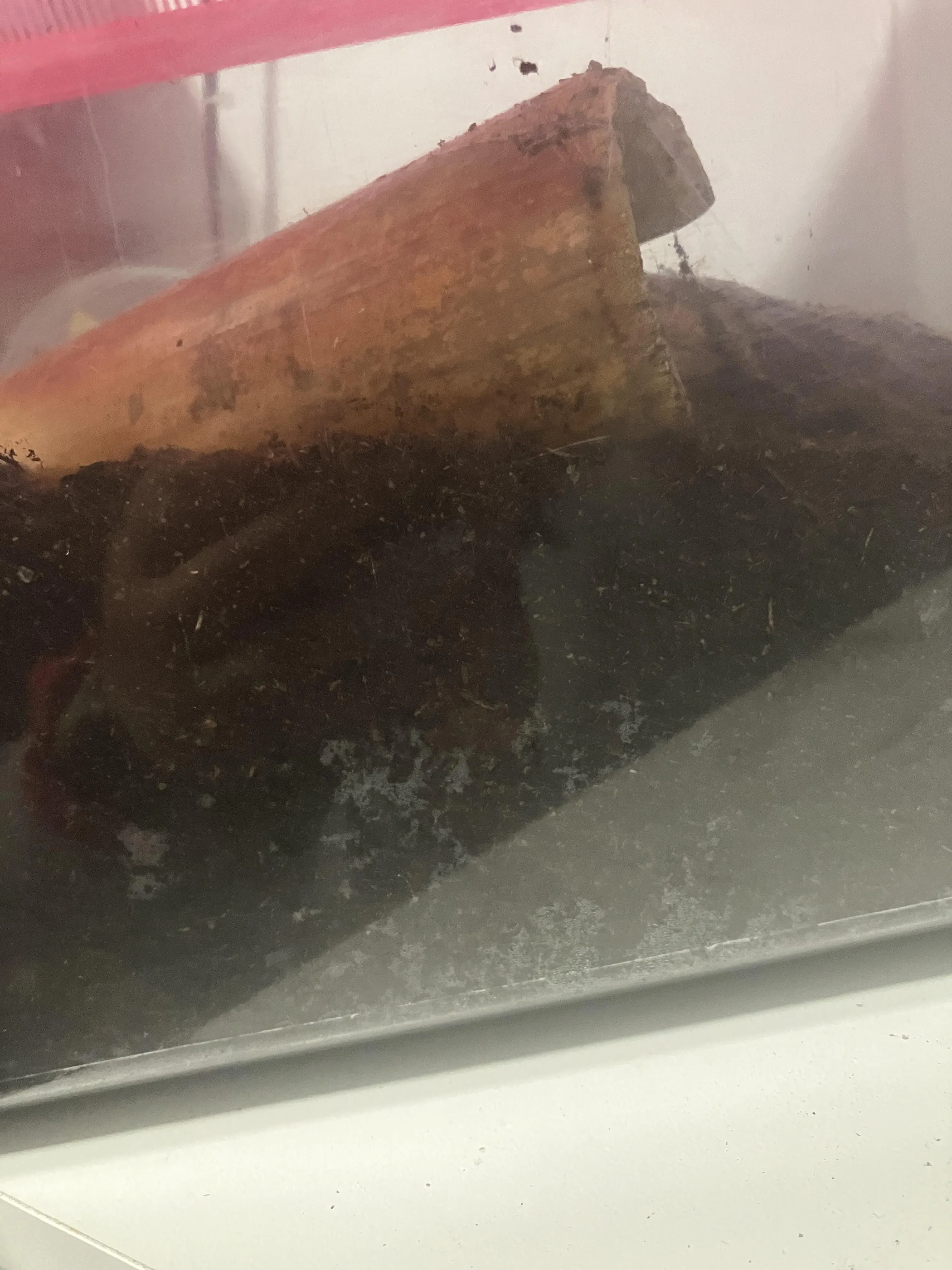
Understanding Mold on Tarantulas
As a tarantula owner, maintaining a healthy environment for your pet is a top priority. One of the most concerning issues that can arise is the presence of mold. Mold growth in a tarantula enclosure can pose serious health risks to your eight-legged friend. It’s crucial to understand what causes mold, how to identify it, and the steps you can take to prevent and treat it. This guide will cover the essentials, ensuring you can provide the best possible care for your tarantula and maintain a clean, safe habitat. Recognizing and addressing mold issues promptly is vital for the well-being of your pet, allowing it to thrive in a healthy environment. Early detection and proactive measures are key to avoiding complications and ensuring a long, happy life for your tarantula.
What Causes Mold in Tarantula Enclosures
Mold thrives in specific conditions, and understanding these triggers is the first step in prevention. Several factors within a tarantula enclosure can create an ideal environment for mold to flourish. By managing these elements, you can significantly reduce the risk of mold growth and protect your pet. Common causes include excessive moisture, poor ventilation, and the presence of organic matter. Controlling these factors will help maintain a clean and healthy habitat for your tarantula. Remember that prevention is always better than cure, so focus on creating an environment where mold cannot easily take hold.
High Humidity Levels

Tarantulas require specific humidity levels to thrive, but excessive moisture can lead to mold growth. High humidity, combined with poor ventilation, creates a perfect breeding ground for mold spores. Regularly monitoring and regulating humidity levels is crucial. Use a hygrometer to track humidity, and adjust the enclosure’s ventilation accordingly to prevent moisture buildup. Ensure proper ventilation to help regulate the humidity and prevent mold spores from settling and multiplying. Keeping the environment within the ideal range for your tarantula is essential for its health.
Poor Ventilation
Lack of proper air circulation contributes significantly to mold formation. Stagnant air traps moisture, creating a conducive environment for mold. Ensuring adequate ventilation is vital in preventing mold. This can be achieved through strategically placed ventilation holes or by using enclosures specifically designed for airflow. Regularly check for signs of poor ventilation, such as condensation buildup, and take corrective measures immediately. Adequate airflow helps to dissipate moisture and prevent mold growth, preserving the enclosure’s health and your tarantula’s well-being.
Leftover Food and Waste
Organic matter, such as uneaten food and tarantula waste, provides a food source for mold. These materials decompose, releasing nutrients that promote mold growth. Regular cleaning of the enclosure is essential to remove these organic materials. Spot-clean regularly, removing uneaten food and waste promptly. A clean enclosure limits the availability of food sources for mold. A clean environment significantly reduces the risk of mold formation and keeps your tarantula’s habitat hygienic.
Identifying Mold on Your Tarantula

Early detection of mold is critical for effective treatment and preventing health complications. Knowing the signs of mold growth allows you to take prompt action. Regularly inspect your tarantula’s enclosure for visual cues and odors that may indicate a mold infestation. Be vigilant and observant, paying attention to the details of the habitat. These are crucial steps in maintaining a healthy environment for your pet. Early intervention can prevent serious health issues for your tarantula.
Visible Mold Growth
The most obvious sign of mold is its visual appearance. Mold can appear as fuzzy, discolored patches on the substrate, enclosure walls, or even on the tarantula itself. Common colors include white, green, black, or brown. Regularly inspect the enclosure, looking for any unusual spots or growths. If you notice mold, take immediate steps to address it. Early detection is crucial. Immediate action can prevent the mold from spreading and causing harm to your pet. Use appropriate cleaning methods to remove the mold and sanitize the enclosure thoroughly.
Changes in Substrate Color
Changes in the color of the substrate can also indicate mold growth. Mold often causes the substrate to become darker, stained, or exhibit unusual patterns. Regularly examine the substrate for any changes in appearance. If the substrate looks discolored or shows signs of mold growth, replace it immediately. This step is crucial for maintaining a healthy environment for your tarantula and preventing the spread of mold. Replacing the substrate also helps eliminate any potential allergens or irritants that might affect your pet’s health.
Musty Odor

A musty or earthy smell is a clear indicator of mold presence. This odor is often the first sign of a developing mold problem. If you notice an unusual smell coming from your tarantula’s enclosure, investigate immediately. Mold produces volatile organic compounds (VOCs) that can cause this distinct odor. If you detect a musty smell, thoroughly inspect the enclosure and identify the source of the odor. Address the cause of the smell quickly to prevent further mold growth and ensure a healthy environment for your tarantula.
Health Risks of Mold to Tarantulas
Mold exposure can have significant health consequences for tarantulas. These eight-legged creatures can be particularly vulnerable to the effects of mold due to their respiratory systems and overall sensitivity. It’s essential to understand the potential health risks associated with mold to provide appropriate care and take preventive measures. By recognizing these risks, you can safeguard your tarantula’s health and maintain a safe environment.
Respiratory Issues
Mold spores can irritate a tarantula’s respiratory system, leading to breathing difficulties and respiratory infections. Tarantulas have delicate respiratory organs, making them susceptible to these effects. If you observe signs of respiratory distress, such as labored breathing or lethargy, suspect mold exposure. Seek veterinary assistance if you suspect a respiratory issue. Keeping the enclosure clean, with proper ventilation, helps to protect your tarantula from breathing in harmful mold spores.
Fungal Infections

Mold can cause fungal infections in tarantulas. These infections can affect their exoskeleton or internal organs. The presence of mold spores in the enclosure increases the risk of such infections. Fungal infections can be serious and may require veterinary treatment. Preventing mold growth is essential to mitigate the risk of these infections. By maintaining a clean and well-ventilated enclosure, you can reduce your tarantula’s vulnerability to fungal infections, ensuring its overall health.
Impact on Molting
Mold can also negatively impact a tarantula’s molting process. A weakened or stressed tarantula may have difficulty molting properly, potentially leading to complications. The molting process is crucial for the tarantula’s growth. A clean and healthy environment promotes successful molts. If you suspect mold exposure, take steps to remove it immediately. Creating a healthy environment will help support a smooth and healthy molting cycle, ensuring that your tarantula can continue to grow and thrive.
Preventing Mold Growth
Prevention is the most effective strategy for managing mold in your tarantula’s enclosure. Implementing proactive measures can significantly reduce the risk of mold and maintain a healthy habitat. These strategies focus on controlling the factors that promote mold growth. By following these guidelines, you can protect your tarantula and enjoy a clean, mold-free environment. Consistent practices are essential for keeping your pet healthy.
Maintaining Proper Humidity

Regularly monitor and manage the humidity levels within the enclosure using a hygrometer. The ideal humidity range varies depending on the tarantula species, so research and adjust accordingly. Use a spray bottle to lightly mist the enclosure as needed, but avoid overwatering. Ensure that the substrate is moist, but not waterlogged. Proper humidity control helps to prevent the build-up of moisture that can lead to mold growth. Maintaining the right humidity level is essential for your tarantula’s well-being and for preventing issues like mold.
Ensuring Adequate Ventilation
Provide adequate ventilation to allow air circulation and prevent moisture buildup. Most tarantula enclosures are designed with ventilation holes. Make sure these are not blocked. If your enclosure lacks sufficient ventilation, consider adding additional ventilation holes. Proper airflow reduces humidity levels and helps to prevent the conditions that mold needs to thrive. Good ventilation promotes a healthy environment for your tarantula and reduces the risk of respiratory issues. This practice is critical to maintaining a safe and clean habitat.
Regular Cleaning and Substrate Changes
Perform regular spot cleaning to remove uneaten food, waste, and any visible debris. Fully clean and replace the substrate at least once every few months, or more frequently if needed. The frequency of cleaning depends on the size of the enclosure and your tarantula’s habits. During cleaning, disinfect the enclosure thoroughly. These routines help remove organic matter and prevent mold from getting a foothold. Consistent cleaning ensures your tarantula’s habitat remains clean and healthy, helping to prevent mold issues.
Using Mold-Resistant Substrates

Choose a substrate that is less prone to mold growth. Some substrates, such as coconut fiber, are naturally more resistant to mold. Avoid substrates that retain excessive moisture. Research the best substrate options for your tarantula’s specific needs. Using mold-resistant substrates makes it more challenging for mold to establish itself, which helps maintain a healthier environment. Choosing the right substrate can make a big difference in preventing mold issues.
Treating Mold Infestations
If you discover mold in your tarantula’s enclosure, act promptly to eliminate it. Effective treatment involves several steps, from isolating the tarantula to thoroughly cleaning the enclosure and using appropriate antifungal treatments. Taking immediate action can prevent the spread of mold and protect your pet’s health. Addressing a mold issue early will also help to avoid complications and ensure a healthy environment. These procedures are designed to restore a safe and mold-free habitat for your tarantula.
Isolating the Tarantula
Before beginning the cleaning process, carefully remove your tarantula from the enclosure and place it in a temporary, clean container. This prevents the tarantula from being exposed to mold spores during cleaning. Provide a safe and secure temporary home during the treatment process. Make sure the temporary container is clean and doesn’t have any mold. Protecting your tarantula from exposure is crucial to prevent further health risks. This initial step ensures the safety of your pet during the cleaning and treatment of the contaminated enclosure.
Cleaning the Enclosure
Thoroughly clean the enclosure. Remove all substrate, decorations, and accessories. Wash the enclosure with warm, soapy water, making sure to remove all traces of mold. Rinse thoroughly and allow the enclosure to dry completely before reassembling. You can also use a diluted bleach solution (1 part bleach to 10 parts water) to disinfect the enclosure, but be sure to rinse it thoroughly afterward to remove any bleach residue. Ensure everything is completely dry before reintroducing any items or the tarantula. This rigorous cleaning removes mold and prepares the enclosure for a fresh start. This step is crucial for removing the mold and preventing it from returning.
Using Antifungal Treatments
In some cases, antifungal treatments may be necessary to eliminate mold. Consult with a veterinarian or reptile specialist to determine the appropriate treatment for your situation. They may recommend a specific antifungal solution or spray that is safe for use in a tarantula enclosure. Carefully follow the instructions when using any antifungal treatment. Ensure that the enclosure is thoroughly dry and well-ventilated after the treatment. Using the right treatment helps to eliminate any remaining mold spores, ensuring a healthy environment for your tarantula. Only use vet-approved treatments.
When to Seek Veterinary Help
If you suspect that your tarantula has been exposed to mold and shows signs of illness, such as lethargy, difficulty breathing, or loss of appetite, seek immediate veterinary attention. A veterinarian can diagnose any health issues and recommend appropriate treatment. They can also provide guidance on how to manage the environment to prevent future problems. Your vet’s expertise is essential to ensure your tarantula’s health. Professional help is often necessary for more severe cases.
In conclusion, understanding and addressing mold in your tarantula’s enclosure is crucial for the health and well-being of your pet. By implementing the preventive measures and knowing how to identify and treat mold infestations, you can provide a safe and healthy habitat. Prioritize regular cleaning, proper ventilation, and humidity control to prevent mold growth. Always seek professional veterinary help if your tarantula shows signs of illness or distress. With proactive care and vigilance, you can ensure your tarantula thrives for years to come. By taking these steps, you will ensure your pet’s health and happiness.