What Is Tarantula Molting
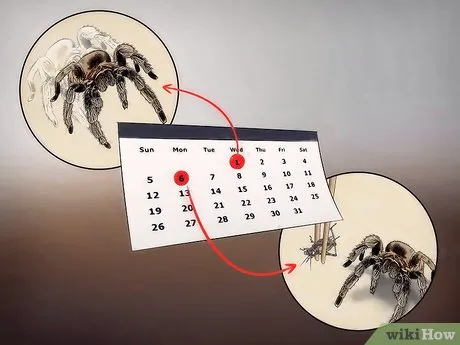
Molting is a fundamental process in the life of a tarantula, akin to shedding their skin. It’s how these arthropods grow and replace their exoskeleton, which doesn’t grow with them. This process is essential for their health and development, allowing them to shed old, worn-out structures and reveal a fresh, new exterior. Understanding molting is crucial for any tarantula owner, as it dictates a significant portion of your pet’s behavior and care needs. The frequency of molting depends on the tarantula’s age and species, with younger tarantulas molting more frequently than adults. This process can be stressful for your pet, so it is very important to know the signs and how to react.
Why Tarantulas Molt
Tarantulas molt for a few primary reasons. The most obvious is growth. As their bodies expand, they outgrow their exoskeleton. The old exoskeleton is simply a shell that is incapable of expanding, so the tarantula must shed it to accommodate their increasing size. Molting also serves to replace lost limbs. If a tarantula loses a leg or other appendage, a new one will grow in the next molt. Additionally, the molting process allows tarantulas to shed parasites and other unwanted organisms that may have attached themselves to the exoskeleton. The process revitalizes the tarantula, removing the old and bringing forth the new. The cycle is vital for the tarantula’s continued survival and wellbeing.
Signs of Molting in Tarantulas
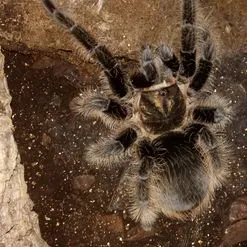
Recognizing the signs of an impending molt is crucial for providing the appropriate care and minimizing stress for your tarantula. Several behavioral and physical changes can indicate that your tarantula is preparing to molt. Observation and careful monitoring are key to ensuring your pet’s well-being during this vulnerable time. This will ensure that you do not interrupt or disturb the molting process unnecessarily. The following sections will detail the common signs to look out for.
Loss of Appetite
One of the earliest and most noticeable signs of an upcoming molt is a loss of appetite. Your tarantula may refuse food for several days or even weeks before molting. This is because the process requires a lot of energy, and the tarantula will conserve its resources. If your tarantula, which normally eats regularly, suddenly stops eating, it’s a strong indicator that a molt is on the horizon. Do not be alarmed if your pet refuses food during this time; it’s a natural part of the molting process. Continue to provide food, but remove it after 24 hours if it is not eaten.
Lethargy and Inactivity
As the molt approaches, tarantulas often become less active and spend more time hiding or resting in their burrow. They may appear sluggish and move very little. This lethargic behavior is another way the tarantula conserves energy. The spider will prepare itself for the demanding task of molting. You might notice that your tarantula spends most of its time in one spot. This is a clear sign that it is getting ready to molt. Avoid handling or disturbing your tarantula during this phase, as it is best left undisturbed to prepare and complete the molting process without stress.
Changes in Abdomen

The abdomen of a tarantula will often appear darker and plumper before a molt. This is due to the new exoskeleton forming beneath the old one. The abdomen may also look shiny or stretched. You may also see the old exoskeleton starting to separate from the new one. Observe these subtle changes, as they can give you an accurate idea of where your tarantula is in the molting process. This visual cue provides a clue that the process is getting closer, allowing you to prepare appropriately.
Color Changes
Sometimes, the tarantula’s colors may appear duller or faded before a molt. The vibrant hues may become muted. This is because the old exoskeleton is losing its luster. Once the tarantula molts, the new exoskeleton will reveal brighter, more vivid colors. This change is often subtle, but with careful observation, you should be able to spot this sign. The renewed coloration is a good indication that the tarantula is healthy and that the molt has been successful, and is a good indication that you are nearing the end of the molting process.
Webbing and Premolt Behavior
Some tarantulas will create a thicker web mat just before molting. This web serves as a soft surface for the molting process, providing a stable and safe environment. Your tarantula may also seal off its burrow entrance with webbing. This behavior is a clear indication that the tarantula is preparing for the molt and wants to be left undisturbed. This can be a very useful indicator, but does not always occur. All tarantulas are unique, so there may be differences between each one.
Caring for a Molting Tarantula
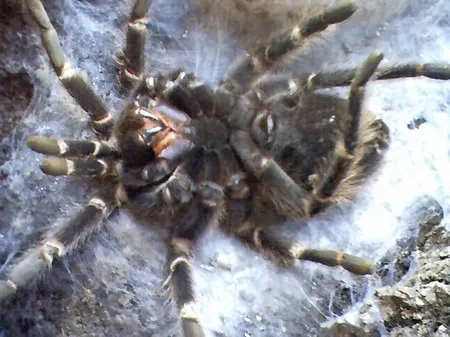
Providing the right environment during molting is essential for the tarantula’s safety and well-being. Your primary role is to minimize stress and ensure the tarantula has a secure place to molt. There are several critical aspects of care during this vulnerable time. Creating a safe, stress-free environment is the best thing you can do to help your tarantula get through the process.
Providing a Safe Environment
Make sure the enclosure is free from potential hazards. Remove any items that could fall on the tarantula during the molt, such as heavy decorations or water dishes. The enclosure itself should be stable and not prone to vibrations. Avoid handling the tarantula or disturbing the enclosure unnecessarily. Provide a hide, such as a cork bark or a pre-made hide, to give your tarantula a sense of security. Reduce any external disturbances such as loud noises or bright lights.
Humidity and Temperature
Maintain the appropriate humidity and temperature levels for your tarantula species. Ensure the enclosure is not too dry or too humid, as this can interfere with the molting process. A slightly higher humidity level might be beneficial, as it can help the old exoskeleton separate. Avoid drastic changes in temperature, as these can stress the tarantula. Regularly monitor the conditions in the enclosure to ensure they are within the recommended range for your tarantula’s specific needs. The correct humidity and temperature are necessary for a successful molt.
Avoid Disturbing

This is the most crucial aspect of caring for a molting tarantula. Avoid handling your tarantula or disturbing its enclosure. The molting process is a vulnerable time, and any stress can disrupt it. Refrain from any activities that could cause vibrations near the enclosure, as these can startle the tarantula. Let your tarantula molt in peace and allow it to recover on its own. Patience is key during this phase, and allowing the tarantula to molt undisturbed will greatly increase the chances of a successful molt.
Post-Molt Care
After the molt, the tarantula will be very soft and vulnerable. Do not feed your tarantula for several days to allow the new exoskeleton to harden. Offer food a week after the molt. Ensure your tarantula has access to fresh water. The tarantula may be more active and resume its normal behavior once it has fully recovered. Observe your tarantula for any signs of injury or abnormalities. If you notice any issues, consult with a veterinarian or an experienced tarantula keeper.
When to Be Concerned
While molting is a natural process, there are certain situations where you should be concerned. If your tarantula appears to be struggling to molt (e.g., the molt is taking an extended period or the tarantula is stuck), it could indicate a problem such as dehydration or a poor environment. If the tarantula has injuries or is losing fluids during the molt, consult with a vet who is familiar with tarantulas. A successful molt is typically completed without issues, but if there are any complications, it’s important to seek professional advice to ensure your tarantula’s health and well-being. Keeping a close eye on your tarantula during the process can help you catch any problems before they become too serious.