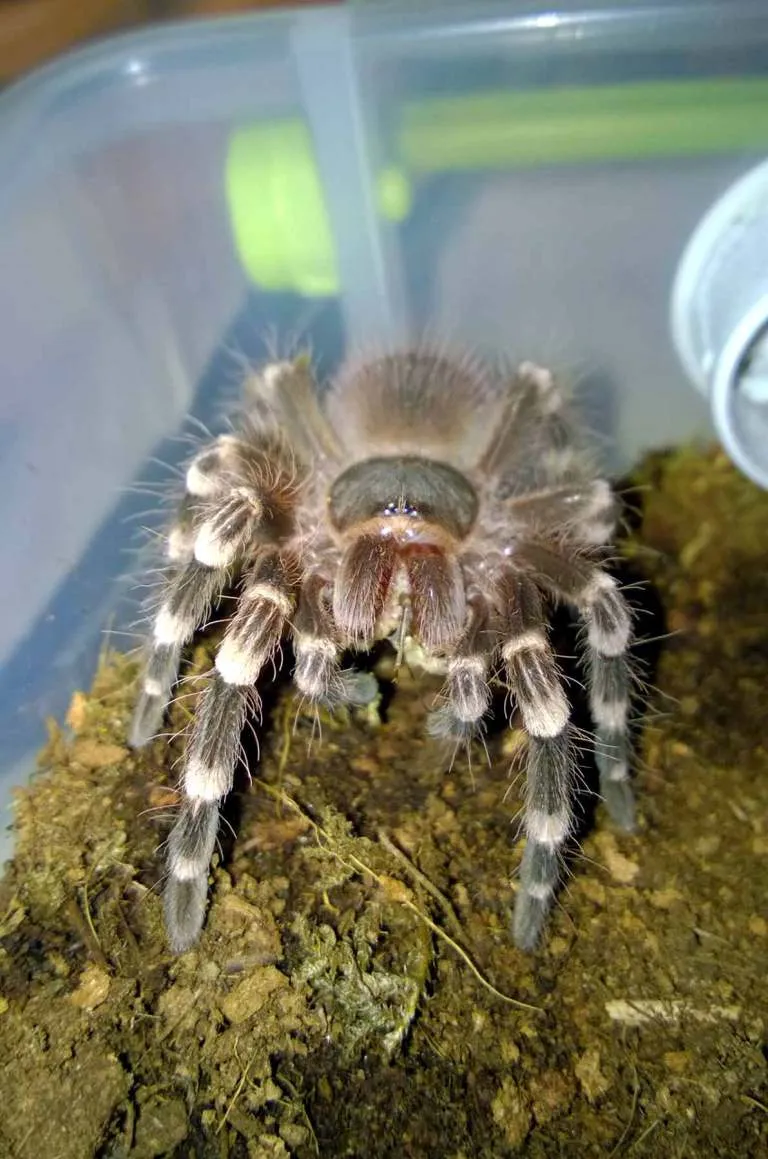
Understanding Tarantula Overfeeding
Caring for a tarantula involves understanding their specific needs, and one critical aspect of this is recognizing the signs of overfeeding. Tarantulas, like many other pets, are susceptible to health problems if they consume too much food. Overfeeding can lead to various health issues and, in severe cases, can shorten their lifespan. It is essential for tarantula owners to be aware of the dangers and how to prevent them to ensure the well-being of their eight-legged companions. This guide will delve into what overfeeding means, the risks it poses, and, most importantly, the key signs to watch out for, along with actionable steps to prevent and address the problem.
What Does Overfeeding Mean for Tarantulas
Overfeeding in tarantulas refers to providing them with more food than they need to maintain a healthy body condition. Tarantulas have relatively slow metabolisms compared to other pets. They do not require frequent meals, and overfeeding can strain their internal organs and overall health. The excess food often leads to excessive fat accumulation, making it difficult for them to move and molt properly. Understanding this concept is the first step in providing proper care and avoiding common mistakes. Overfeeding can also lead to a buildup of waste products in the tarantula’s system, potentially causing various health complications. The balance between providing sufficient nutrients and avoiding excess consumption is key to a healthy and thriving tarantula.
The Dangers of Overfeeding

The consequences of overfeeding a tarantula are numerous and can significantly impact its quality of life and lifespan. One of the most common issues is the development of obesity, which can restrict movement and make it challenging for the tarantula to navigate its enclosure, hunt, and even molt. Overfeeding also puts undue stress on the tarantula’s internal organs, such as the heart and digestive system, potentially leading to health problems. In extreme cases, overfeeding can lead to a shortened lifespan. Moreover, overfed tarantulas may become less active and show a decreased interest in their environment, affecting their natural behaviors. Overfeeding affects the molting process, making it harder and riskier.
Top 5 Signs of Tarantula Overfeeding
Sign 1 Abdomen Size and Shape
One of the most apparent indicators of overfeeding is the size and shape of the tarantula’s abdomen. A healthy tarantula should have an abdomen that is proportionally sized to its cephalothorax (the front part of its body) and legs. An overfed tarantula will often have a large, round, and distended abdomen. This is due to the accumulation of fat and undigested food. The abdomen may appear almost spherical, which is a clear indication that the tarantula is consuming more than it needs. It’s crucial to regularly observe your tarantula to note any significant changes in its body shape, as this can be an early warning sign of potential health issues. Proper monitoring can help adjust feeding habits to prevent any complications.
How to Assess Abdomen Size

Assessing the abdomen size requires a keen eye and regular observation. Comparing the abdomen to the cephalothorax is the primary method. If the abdomen is significantly larger than the cephalothorax, it is a sign of overfeeding. Also, note the overall shape; a healthy abdomen is typically oval-shaped, whereas an overfed abdomen may appear round or almost ball-like. The color of the abdomen can also provide clues; in some species, a darker or more translucent appearance might indicate overfeeding. Photos or videos taken regularly can assist in tracking changes over time, enabling better monitoring of your tarantula’s health. These comparisons can help to spot overfeeding early on.
Sign 2 Lethargy and Lack of Activity
Overfed tarantulas often exhibit a noticeable decrease in activity. They might spend more time in one spot, moving less frequently than usual. This lethargy is a result of the physical discomfort and the strain that excess food places on their bodies. They may also become less interested in exploring their enclosure or in hunting for food. A normally active tarantula, which shows a sudden shift in behavior towards inactivity, should raise concerns. A decline in activity can be a sign of various health issues, and overfeeding is a common culprit. It’s essential to monitor your tarantula’s behavior to identify changes. This is crucial for early detection and to take appropriate measures to support your tarantula’s health.
Normal Activity Levels
Normal activity levels vary depending on the species and age of the tarantula. Younger tarantulas tend to be more active than adults. Their activity also depends on factors such as temperature, humidity, and time of day. Generally, tarantulas become more active at dusk and dawn, during which they are more likely to explore their enclosure and hunt. Normal behavior includes moving around, webbing, and, for some species, burrowing. A decrease in these activities, combined with other signs of overfeeding, should alert you to a potential problem. If a tarantula spends most of its time in one place, especially in a hunched posture, it’s time to evaluate your feeding schedule.
Sign 3 Refusal to Eat

Paradoxically, one of the signs of overfeeding can be a refusal to eat. A tarantula that consistently turns down food, even when it appears hungry, might be overfed. The tarantula’s digestive system may not be able to handle more food, so it loses its appetite. This is particularly true if the tarantula is already overweight. The reason behind this behavior is that the tarantula’s body is already coping with excess nutrients and fat, and it does not need any more. Always observe whether the tarantula is interested in food or consistently refuses. It’s essential to differentiate this from the behavior during molting, where tarantulas also stop eating, and that’s why it’s important to learn the difference between molting and overfeeding.
Differentiating Between Molting and Overfeeding
Molting is a natural process where tarantulas shed their exoskeletons, and during this time, they usually refuse to eat. Differentiating this from overfeeding requires careful observation. If your tarantula has a dark, shiny abdomen and is actively preparing for molting (e.g., creating a web mat), it’s likely a molting phase, not overfeeding. Overfed tarantulas, however, may have a large, round abdomen and appear lethargic, without any molting preparations. Also, during molting, tarantulas may seal themselves off in their burrow or hide. If a tarantula stops eating without showing any signs of molting or appears inactive, it is most likely due to overfeeding. This clear understanding will help you to avoid unnecessary feeding during the molting phase.
Sign 4 Visible Fluid Leakage
In severe cases of overfeeding, you might observe fluid leakage from the tarantula’s body. This fluid is often hemolymph, the spider equivalent of blood. This is a serious sign and often indicates internal damage or organ stress caused by excessive food intake. The fluid leakage may manifest as a wet patch around the tarantula or on the substrate in the enclosure. Any sign of fluid leakage requires immediate attention and intervention. This is one of the more extreme indicators that should never be ignored. Contacting a vet or an expert is highly recommended as soon as possible.
What to Do if You See Fluid Leakage

If you observe fluid leakage, take immediate action. Remove the tarantula from its enclosure, carefully and gently, and place it in a clean, dry container. The enclosure needs to be cleaned and disinfected to prevent any further issues. Consult a veterinarian or an experienced tarantula keeper immediately. Fluid leakage is a critical sign, and prompt professional assistance can be crucial for the tarantula’s survival. Provide the vet with information about your tarantula’s feeding schedule and any other relevant details. Ensure that the environment remains clean and stress-free, which will improve the chances of recovery.
Sign 5 Difficulty Molting
Overfeeding makes the molting process harder. Excess fat can interfere with the ability of the tarantula to shed its exoskeleton properly. Overfed tarantulas may struggle to pull themselves out of the old skin and may get stuck during the molting process. This can be fatal. A healthy molt should be a relatively smooth process, but a tarantula that has difficulty molting is likely struggling. Overfeeding can make the exoskeleton too tight or impair the tarantula’s ability to move its legs, which it needs to extract itself from the old skin. Monitoring for the sign of molting issues is a good way to address overfeeding early.
Factors Affecting Molting
Molting is affected by several factors, including age, health, and environmental conditions. Overfeeding is a major contributor to molting problems. Other issues include incorrect humidity or temperature levels in the enclosure, which can also impact the process. A well-maintained environment with appropriate conditions will help minimize the risks of molting problems. Age also influences the molting process, as younger tarantulas molt more frequently than adults. Regular monitoring of your tarantula’s health and behavior will help identify any potential issues, and it helps to take quick action.
Preventing and Addressing Overfeeding

Preventing overfeeding is essential for the long-term health and well-being of your tarantula. Regular monitoring, adjusting feeding schedules, and maintaining the correct environmental conditions are key. If you suspect your tarantula is overfed, take immediate steps to correct the situation. By taking these actions, you’ll provide your tarantula with the best chance of a healthy and thriving life. It is very important for tarantula keepers to know the correct amount of food to give to their tarantula to prevent this from happening. If your tarantula is already overfed, immediate action should be taken to prevent further complications.
Feeding Frequency and Size of Prey
Adjusting the feeding frequency and the size of the prey are two primary strategies to prevent overfeeding. The feeding frequency should correspond to the tarantula’s age, species, and growth stage. Younger tarantulas need more frequent feedings than adults because they are actively growing. The prey size should be appropriate for the tarantula’s size, generally not exceeding the length of the tarantula’s body. Overfeeding can be avoided by not giving the tarantula more food than it needs. Overfeeding can also be prevented by adjusting the feeding frequency when the tarantula becomes less active or refuses food.
Adjusting Feeding Based on Life Stage
The feeding needs of tarantulas change through their life stages. Spiderlings, or young tarantulas, should be fed more frequently, possibly every few days. As they grow older, the feeding frequency can be reduced to once or twice a week. Adult tarantulas often need feeding only once every one to two weeks. However, it is best to feed based on the tarantula’s condition. Always observe the abdomen size and behavior of your tarantula, which gives you an indication of when to feed it and how much food to give. Adjust the feeding regime based on your tarantula’s molting cycle and behavior to provide the best possible care.
The Importance of Proper Hydration

Providing adequate hydration is crucial for tarantula health and can also indirectly impact overfeeding. Hydration supports the tarantula’s metabolism and digestive processes. Dehydration can lead to various health complications, making the tarantula sluggish and affecting its feeding habits. Make sure the water dish is clean and provides a constant supply of fresh water. Adequate hydration will help the tarantula stay healthy and active, which in turn aids in regulating its feeding patterns. It is essential to maintain the correct humidity level in the enclosure, as this also supports hydration. Good hydration helps in digestion and prevents overfeeding.
When to Consult a Veterinarian or Expert
If you suspect your tarantula is overfed or shows signs of serious health issues, seek professional advice. An expert can help determine the best course of action. If the abdomen is severely distended, the tarantula is inactive, or there is any sign of fluid leakage, then seek medical attention promptly. A veterinarian specializing in exotic animals or a knowledgeable tarantula keeper can provide guidance on how to improve your tarantula’s health. Provide the veterinarian with your tarantula’s history, feeding schedule, and the specific symptoms you have observed. Early intervention and expert advice can significantly improve the outcome and ensure a long, healthy life for your tarantula.