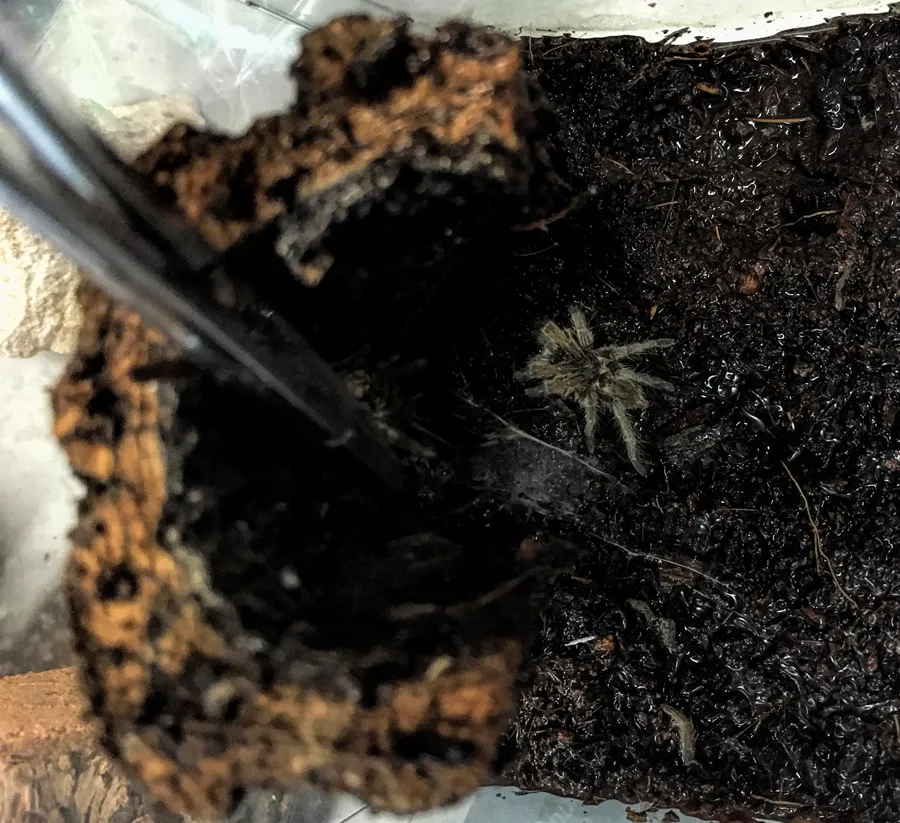
Bringing a pet tarantula into your home is a rewarding experience, but it comes with the responsibility of providing a safe and comfortable environment. This guide offers comprehensive advice on how to care for your pet tarantula, focusing specifically on its cage setup, maintenance, and overall well-being. From choosing the right enclosure to understanding your tarantula’s needs, this guide ensures you’re well-prepared to provide a thriving habitat for your eight-legged friend. Proper care is crucial for the longevity and happiness of your tarantula, and this guide covers all the essential aspects.
Choosing the Right Pet Tarantula Cage
The cage is the most critical element in caring for your pet tarantula. It provides shelter, influences humidity, and plays a key role in the tarantula’s well-being. The type of cage you select has to be appropriate for your specific species and the tarantula’s size and growth. A well-chosen cage minimizes stress, promotes healthy molting, and allows you to observe your pet’s behavior without causing it undue harm. The following sections will explore key factors to keep in mind when choosing the right habitat for your pet tarantula to ensure its safety and your enjoyment.
Size Matters
Choosing the correct size of the cage is the first step. The cage needs to be large enough to allow the tarantula to move freely and establish its territory, but not so large that it makes it difficult for your tarantula to find its food. As a general rule, the length and width of the enclosure should be at least two to three times the tarantula’s leg span. The height is equally crucial; arboreal species that live on trees require more height, whereas terrestrial species need more floor space. It’s always better to err on the side of caution and select a cage that offers ample room for movement and growth. Be mindful of the final size of the tarantula, anticipating its development to avoid frequent cage changes.
Species-Specific Requirements

Different tarantula species have varied needs regarding their cage setup. Terrestrial tarantulas, which are ground-dwelling, usually need more floor space and less height. Arboreal species, on the other hand, require tall enclosures with vertical climbing space, such as cork bark or branches. Consider the species’ natural habitat when selecting your cage. Some species need higher humidity levels and deeper substrate, while others thrive in drier conditions. Researching the specific needs of your tarantula species helps you create an optimal environment that supports its health and behavior. Failing to do this can lead to stress and increase the chances of your tarantula’s premature death.
Ventilation is Key
Proper ventilation is vital to prevent the build-up of mold, fungus, and harmful bacteria in your tarantula’s cage. Good airflow also helps regulate humidity levels. The cage should have ventilation holes or mesh on the top and sides. Ensure that the ventilation is adequate, but also prevents the escape of the tarantula. Fine mesh or strategically placed ventilation holes offer the best balance. Inspect the ventilation regularly to prevent blockage and ensure it continues to function correctly. Lack of ventilation can lead to respiratory issues for the tarantula and create an unhealthy environment. Make sure the ventilation system is also safe for your pet tarantula.
Essential Cage Accessories
Besides the cage itself, several accessories are essential to create a comfortable and functional habitat for your pet tarantula. These accessories play a vital role in maintaining proper humidity, providing hiding places, and allowing your tarantula to engage in natural behaviors. Selecting the right accessories can greatly impact your tarantula’s well-being and add to the overall aesthetic appeal of the enclosure. Make sure that all accessories are non-toxic and safe for your tarantula. This section provides a deeper dive into the must-have accessories for your tarantula’s cage.
Substrate Selection

The substrate serves as the bedding for your tarantula’s cage, and it performs several important functions. It helps regulate humidity, provides a surface for the tarantula to walk on, and allows it to burrow, which is a natural behavior for many species. The best substrate options include coconut fiber (coco coir), peat moss, and a mixture of these materials. Avoid using substrates such as sand or gravel, as these can be abrasive and difficult for the tarantula to navigate. The substrate depth will depend on the species; burrowing species need a deeper layer than others. Always make sure your substrate is clean and free from pesticides or other harmful chemicals to maintain a healthy environment for your pet tarantula.
Water and Humidity Control
Maintaining the right humidity level is essential for your tarantula’s health, particularly during molting. Provide a shallow water dish with fresh, clean water at all times. This is crucial for drinking and helps maintain humidity. The water dish should be shallow enough to prevent drowning but deep enough for the tarantula to drink comfortably. Mist the enclosure with a spray bottle, especially in drier climates, to raise humidity levels. However, avoid over-misting, as this can lead to mold growth. Regular monitoring with a hygrometer will help you keep track of the humidity levels to maintain the proper conditions. This prevents problems related to dehydration or molting difficulties.
Hiding Places and Decor
Tarantulas are shy creatures, and they need hiding places to feel secure. Provide your tarantula with a hide, such as a piece of cork bark, a half-log, or a commercially available spider hide. This safe space reduces stress and allows the tarantula to retreat when it feels threatened or during molting. You can also include other decorations, such as artificial plants or branches, to create a more natural environment. Make sure any decorations are non-toxic and securely placed to prevent them from falling and harming the tarantula. Decor not only enhances the aesthetic appeal but also adds enrichment to your pet’s environment.
Maintaining Your Tarantula’s Cage
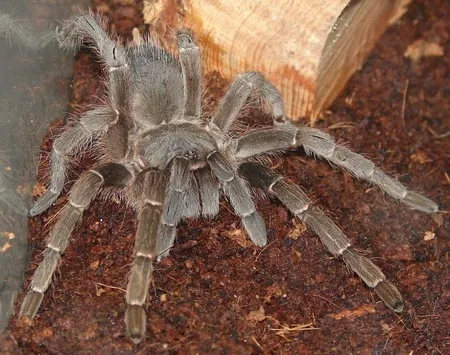
Regular maintenance is critical to keep your pet tarantula healthy and your cage looking good. This maintenance includes routine cleaning, monitoring temperature and humidity, and promptly addressing any cage-related issues. A well-maintained cage prevents the build-up of harmful bacteria, supports the tarantula’s health, and enhances its overall quality of life. Implementing a regular maintenance schedule ensures that the cage remains a safe and comfortable habitat. Failing to do so can lead to illness and premature death of your pet tarantula.
Cleaning and Spotting
Cleaning the cage involves regular spot cleaning and periodic deep cleaning. Spot cleaning includes removing uneaten food, dead insects, and any waste products. This should be done at least once a week. Deep cleaning involves removing the substrate, cleaning the cage thoroughly with warm water (no soap), and replacing the substrate. The frequency of deep cleaning depends on the species and the size of the enclosure. For most species, a deep clean every few months is sufficient. Always wear gloves when cleaning the cage and be careful not to disturb the tarantula. Regular cleaning helps maintain a hygienic environment and prevents potential health issues.
Temperature and Humidity Monitoring
Monitor the temperature and humidity levels in the cage regularly, as these factors greatly affect your tarantula’s health and well-being. Use a thermometer and a hygrometer to track these levels. The ideal temperature and humidity will vary depending on the tarantula species; research the specific needs of your pet. Adjust the temperature and humidity by using a heat source, such as a heat mat or a ceramic heat emitter, and by misting the enclosure. The use of these devices can help maintain the correct environmental conditions. Make sure to place the heat source safely to prevent burns, and always ensure that all equipment functions correctly.
Dealing with Common Cage Issues
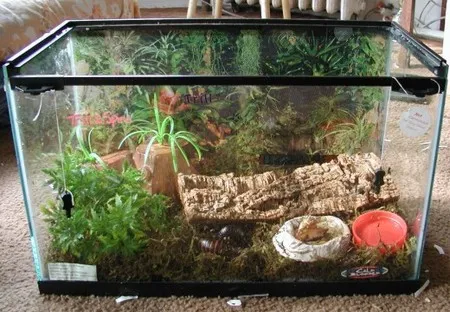
Several problems can arise within a tarantula’s cage, like mold growth, infestations, and substrate deterioration. Addressing these issues promptly is crucial to maintain a healthy environment for your pet. If you notice mold, increase ventilation or replace the affected substrate. For mite infestations, isolate the tarantula and thoroughly clean the cage. Prevent substrate deterioration by using the correct substrate and maintaining appropriate humidity levels. Regular inspections of the cage and substrate can help you catch and resolve problems before they harm your pet. Prompt action when facing any cage-related issues will safeguard your tarantula’s well-being.
Feeding Your Pet Tarantula in Its Cage
Providing proper nutrition is essential for your pet tarantula’s health and growth. This includes selecting the right type of food, determining the feeding frequency, and ensuring the food is consumed safely within the cage. A well-fed tarantula will exhibit healthy growth, active behavior, and a robust immune system. Understanding your tarantula’s dietary requirements and feeding habits supports a healthy lifestyle. This section provides a comprehensive guide to feeding your tarantula, ensuring your pet thrives.
Feeding Frequency and Food Types
The feeding frequency of your tarantula depends on its age and species. Young tarantulas, or spiderlings, typically need to be fed more often than adults, often every few days. Adult tarantulas can be fed once or twice a week. The type of food you offer should be appropriate for your tarantula’s size. Crickets, mealworms, and roaches are common food sources, and these can be purchased from a pet store. Varying the diet can also be beneficial. Make sure the insects are gut-loaded with nutritious food before feeding them to your tarantula. Avoid feeding insects that have been exposed to pesticides, as these can be harmful.
Removing Uneaten Food

It’s important to remove any uneaten food from your tarantula’s cage within 24 hours. Leaving uneaten food in the cage can attract mites and other pests, leading to potential health problems. Use a pair of tongs to remove the food gently. Regularly inspect the cage to ensure no food remains. If you are having trouble with uneaten food, consider feeding smaller portions or crushing the insect’s head to slow it down. Removing uneaten food helps keep the cage clean and healthy and prevents unwanted infestations. Make sure you use tongs or tools to handle any uneaten food safely.
Watering Your Tarantula
Tarantulas need access to fresh water at all times. Provide a shallow water dish filled with clean, fresh water. The dish should be shallow enough to prevent drowning but accessible to the tarantula. Check the water dish daily and refill it as needed. You can also mist the enclosure, especially for species that require higher humidity levels. Ensure that you’re using clean water. This also helps maintain the proper humidity levels in the enclosure. Providing water is crucial for the tarantula’s health and overall well-being, preventing dehydration and supporting its molting process.
Safety and Handling
While tarantulas are generally not aggressive, it’s important to handle them with caution. This involves preventing escapes, understanding how to handle your tarantula safely, and recognizing signs of stress. Safe handling practices protect both you and your tarantula, ensuring that both have a positive experience. This section discusses essential safety measures and provides valuable insights for your pet tarantula’s safety and your peace of mind.
Preventing Escapes

Tarantulas can escape quickly, so preventing this is vital. Ensure the cage has a secure lid that latches properly. Regularly check the cage for any potential escape routes, such as gaps or loose seals. Always supervise your tarantula when you open the enclosure for cleaning or feeding. If the tarantula does escape, remain calm and try to locate it in a confined area. Prevent escapes by making sure the cage is secured correctly and by practicing safety at all times when interacting with the tarantula. A tarantula escape can be prevented with proper vigilance and care.
Handling Your Tarantula
Handling your tarantula is not always necessary. Most tarantulas are best left to their own devices; however, if you do need to handle your pet, do so carefully. Approach the tarantula slowly and gently. Use a soft brush or your hand to encourage it to walk onto your hand. Handle the tarantula over a soft surface, such as a bed or a carpet, in case it falls. Avoid squeezing or dropping the tarantula. If you are bitten, remain calm. Most tarantula bites are similar to a bee sting. Be aware of the potential risks and handle the tarantula in a way that minimizes stress and potential harm.
Recognizing Signs of Stress
Understanding the signs of stress in your tarantula is crucial for providing proper care. Signs of stress include flicking hairs from its abdomen, erratic movements, or a defensive posture. If your tarantula shows signs of stress, leave it alone and give it time to calm down. Adjust the cage setup and environment to reduce stress. Providing hiding places, proper temperature and humidity, and avoiding excessive handling can minimize stress. Recognizing and responding to signs of stress promptly helps ensure a healthy and content tarantula.
Caring for a pet tarantula is a fulfilling experience that requires dedication and knowledge. By understanding the requirements of the cage, from proper size and accessories to essential maintenance and safe handling practices, you can create a thriving environment for your eight-legged companion. This guide will equip you with the knowledge you need to be successful and build a strong bond with your pet. Remember that providing a suitable habitat and proper care supports the health and well-being of your tarantula, allowing you to enjoy its unique presence for many years to come.