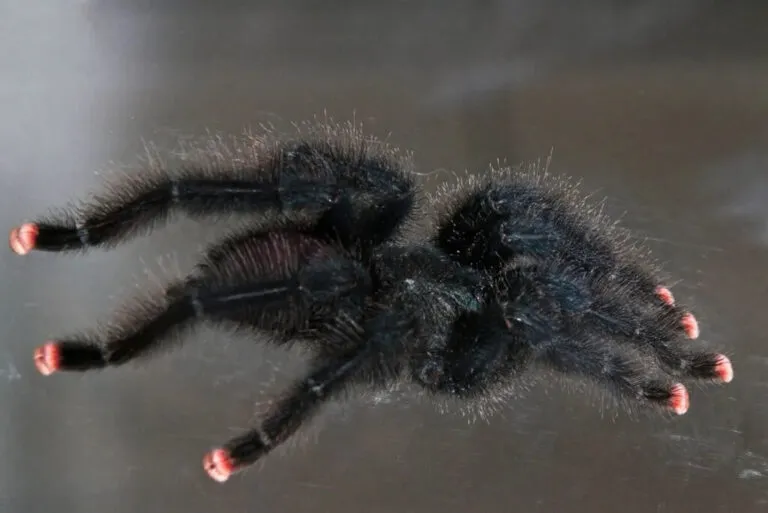
What is a Pink Toe Tarantula?
The Pink Toe Tarantula, scientifically known as Avicularia avicularia, is a captivating arboreal spider native to the rainforests of South America and the Caribbean. Celebrated for its striking appearance and relatively docile temperament, this species has become a favorite among tarantula enthusiasts worldwide. Unlike many other tarantula species that are terrestrial, the Pink Toe Tarantula is an arboreal species, meaning it spends the majority of its life in trees. This preference for an elevated lifestyle dictates many aspects of its behavior and the way it builds its home. Understanding these fundamental characteristics is key to providing proper care and appreciating the unique qualities of this fascinating creature. Their vibrant pink toe pads, which give the tarantula its name, are a clear indication of its agility and climbing prowess, perfectly suited for navigating the branches of its rainforest habitat.
Appearance and Characteristics
The Pink Toe Tarantula is instantly recognizable due to its unique appearance. Adults typically have a dark body, often black or a deep brown, contrasting beautifully with their namesake pink toe pads. These vibrant pink tips aren’t just a cosmetic feature; they play a crucial role in the tarantula’s arboreal lifestyle, providing excellent grip on smooth surfaces. The abdomen is covered in fine hairs, and the legs are long and slender, perfectly adapted for climbing. Mature females can reach a leg span of up to 5-6 inches, while males are typically slightly smaller. Another striking characteristic is their docile demeanor, making them less prone to defensive behaviors like biting compared to other tarantula species. This combination of striking appearance and relatively calm temperament makes the Pink Toe Tarantula a desirable pet for both novice and experienced tarantula keepers.
Arboreal Lifestyle

As an arboreal species, the Pink Toe Tarantula has evolved to thrive in trees. Unlike terrestrial tarantulas that burrow or create extensive webs on the ground, Pink Toes build their homes amongst the leaves and branches. This lifestyle has shaped their physical characteristics, as well as their behavioral traits. Their long legs and specialized foot pads allow them to climb effortlessly on vertical surfaces, while their web-building habits are geared towards creating silken retreats within the foliage. This arboreal preference also influences their feeding habits and predator avoidance strategies. The ability to quickly climb and hide amongst the branches provides protection from ground-dwelling predators. Understanding their arboreal nature is essential for providing an appropriate enclosure that meets their needs and allows them to express natural behaviors.
Why Don’t Pink Toe Tarantulas Web?
The question of why Pink Toe Tarantulas don’t build elaborate webs like some other spider species is a fascinating aspect of their behavior. The answer lies in their specific lifestyle and ecological niche. While they do produce silk, they use it differently compared to tarantulas that create large webs for catching prey. Instead of constructing extensive webs to ensnare insects, Pink Toes primarily use their silk to create a silken retreat or nest within their arboreal habitat. Their web-building is more focused on creating a safe, secure space rather than an elaborate trap, which suits their hunting style and arboreal existence.
Limited Webbing for Safety
Pink Toe Tarantulas use webbing primarily for creating a secure and safe living space. This typically involves constructing a silken retreat, often a tube or hammock, where they can rest, molt, and feel protected from potential threats. The webbing provides a sense of security, and helps them to regulate the humidity within their immediate environment. Compared to the extensive webs of some other spider species, the Pink Toe Tarantula’s webbing is relatively minimal. They focus on creating a secure structure in their chosen habitat, rather than a large, sticky trap to catch prey. This limited webbing strategy reflects their arboreal lifestyle and their hunting behavior, which relies on ambushing prey rather than passively waiting for it to get trapped in a web.
Webbing and Prey Capture

While Pink Toe Tarantulas do not use webs to actively trap prey, they still utilize their silk in hunting. They might create small silken tripwires around their retreats to detect the movement of potential prey. When an insect wanders close, the tarantula can quickly ambush it. The webbing acts as an early warning system, alerting the tarantula to the presence of a potential meal. This ambush hunting style is in stark contrast to web-weaving spiders that rely on their webs to ensnare their food. The Pink Toe Tarantula’s hunting strategy is more active and opportunistic, using their agility and speed to capture their prey. This is why the webbing is much less prominent, serving a supporting role rather than a primary one in the hunt.
Webbing as a Sensory Tool
Webbing plays a role in the Pink Toe Tarantula’s sensory perception. The silk strands act as sensitive receptors, allowing the tarantula to detect vibrations in its environment. This is particularly useful for detecting the presence of prey, but it also helps them to monitor potential threats. The tarantula’s sensory system is highly attuned to changes in its immediate environment, and the silken threads enhance this ability. This sensory enhancement, coupled with their exceptional eyesight, allows them to quickly react to changes in their environment. The webbing also helps the tarantula to understand the size and shape of their surroundings.
Alternative Structures for Shelter
Instead of extensive webs, Pink Toe Tarantulas utilize alternative structures for shelter. They often create a silken retreat within the branches of their enclosure. This might be a small tube, a hammock-like structure, or a nest built amongst leaves and other materials. These retreats are not designed to trap prey, but instead provide a secure and private space where they can rest, molt, and feel safe from predators. This type of structure allows for effective concealment and protection. The choice of shelter can vary based on the individual tarantula’s preference and the specific arrangement of the enclosure, providing a dynamic environment for the spider.
The Role of Silk in Molting

Silk plays a crucial role during the molting process. The Pink Toe Tarantula uses silk to create a safe and stable environment for shedding its exoskeleton. Before molting, they often construct a silken mat or hammock where they will lie on their backs. This structure provides crucial support during the vulnerable molting process, ensuring that the spider can successfully shed its old skin without injury. The webbing also helps to maintain proper humidity, creating ideal conditions for molting. The careful preparation of this silken bed underscores the essential role of silk in the tarantula’s life cycle, promoting their survival and well-being during a period of vulnerability.
Webbing and Mating Behavior
During mating, Pink Toe Tarantulas utilize silk for several purposes. The male tarantula will often create a small web to deposit his sperm. Afterward, the female might use silk to create a protective egg sac to house her eggs. This use of silk further highlights its significance in the tarantula’s life cycle, from reproduction to the protection of its offspring. Webbing in this context goes beyond the creation of a simple shelter and serves to facilitate the process of reproduction, ensuring the continuation of the species. The use of webbing during mating is another example of how versatile and integral it is to Pink Toe Tarantulas.
Pink Toe Tarantula Webbing vs. Other Tarantulas
Comparing the webbing habits of Pink Toe Tarantulas with other tarantula species reveals some key differences. Terrestrial tarantulas, for example, often build extensive webs, sometimes covering the entire substrate of their enclosure. These webs are used both to capture prey and provide shelter. In contrast, Pink Toe Tarantulas use much less webbing, focusing on creating a secure retreat. Other arboreal species may also use more extensive webbing, though often less than terrestrial species. The contrast highlights the unique adaptations and strategies of different tarantula species, based on their individual needs and environmental demands. The varying degrees of webbing are a fascinating reflection of each tarantula’s specialized survival strategies.
The Role of Substrate
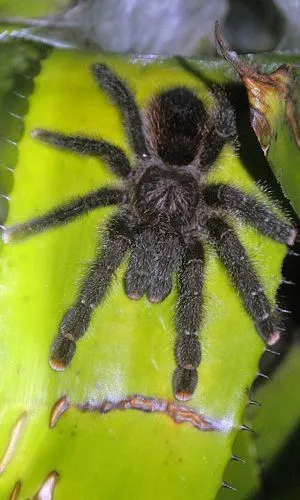
The choice of substrate for a Pink Toe Tarantula enclosure is important, although it isn’t directly linked to webbing. The substrate, usually a combination of coconut fiber and sphagnum moss, helps to maintain humidity and creates a comfortable environment. While the tarantula won’t be building extensive webs on the substrate itself, the substrate’s texture and composition are crucial for creating the right microclimate within their enclosure. A proper substrate is essential for maintaining the humidity levels, which is essential for their health and successful molting. The substrate needs to be non-toxic, well-draining, and able to hold moisture to mimic their natural environment.
Importance of Humidity
Maintaining the correct humidity is crucial for the health and well-being of a Pink Toe Tarantula. Because they inhabit tropical rainforests, they require a humid environment to thrive. The lack of extensive webbing means other methods are necessary to create and maintain this environment. This is achieved through regular misting of the enclosure and the use of a suitable substrate that retains moisture. Proper humidity is essential for successful molting and preventing dehydration. The humidity aids in their respiration and overall health, making it vital for their survival and well-being. Keeping a hygrometer in the enclosure will help to monitor and ensure the correct humidity levels.
Optimal Tank Setup for Pink Toe Tarantulas
Creating the optimal tank setup is critical for the Pink Toe Tarantula’s well-being. The enclosure should be tall, allowing for arboreal activity, with a secure lid to prevent escape. Include branches, cork bark, and other climbing structures to mimic their natural habitat. The substrate should be a moisture-retaining mix. Regular misting is required to maintain humidity. Providing a water dish is essential for hydration. The key is to replicate their natural environment as closely as possible. A well-designed enclosure provides the space to move, climb, and build their silken retreats, all contributing to the overall health and happiness of your Pink Toe Tarantula. Proper care and attention to their needs allows you to have a healthy pet.