Pink Toe Tarantula Care Guide
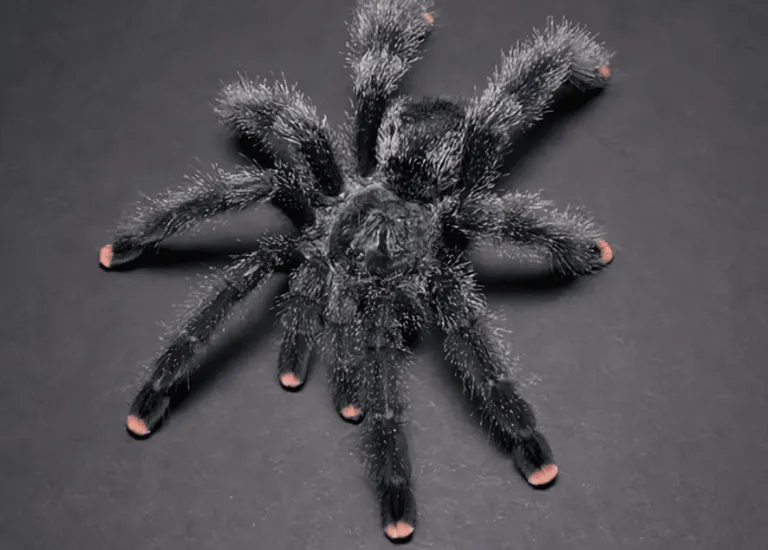
The Pink Toe Tarantula, scientifically known as Avicularia avicularia, is a captivating and relatively docile species, making it a popular choice for beginner tarantula enthusiasts. Their striking appearance, characterized by a velvety black body and vibrant pink tips on their feet, adds to their allure. However, like all exotic pets, Pink Toe Tarantulas require specific care to thrive. This guide provides 5 essential tips to ensure your Pink Toe Tarantula lives a long, healthy, and fulfilling life in captivity. Understanding their needs regarding habitat, feeding, and handling is crucial for responsible pet ownership, ensuring your tarantula flourishes in its environment. Proper care will not only keep your Pink Toe Tarantula healthy but also allow you to enjoy observing its fascinating behaviors and unique characteristics.
Choosing Your Pink Toe Tarantula
The foundation of successful Pink Toe Tarantula care begins with selecting a healthy specimen. This involves careful observation and research to avoid potential issues later. A healthy tarantula is active, alert, and exhibits no signs of illness or injury. Before purchasing, it is imperative to understand the tarantula’s origins and any potential health concerns associated with its lineage. Taking the time to choose the right Pink Toe Tarantula will significantly impact your experience as a tarantula owner. Careful consideration at this stage will result in a thriving and enjoyable pet. The time invested in choosing a healthy tarantula is an investment in its future well-being.
Selecting a Healthy Tarantula

When choosing your Pink Toe Tarantula, look for a tarantula with a plump abdomen, indicating it is well-fed and hydrated. Avoid tarantulas with a shrunken abdomen, as this could indicate dehydration or illness. Check for any missing limbs or injuries, as these can impact the tarantula’s ability to hunt and move around its enclosure. Observe the tarantula’s behavior; it should be active and responsive to its environment, not lethargic or withdrawn. Furthermore, scrutinize the tarantula’s surroundings for any signs of mites or other parasites, which could be detrimental to its health. A healthy tarantula will show signs of alertness and curiosity, a good indicator of its overall condition. If possible, ask the seller about the tarantula’s feeding habits and molting history.
Where to Buy
Purchase your Pink Toe Tarantula from a reputable source, such as a specialized reptile or exotic pet store, or a trusted breeder. Research the seller’s reputation and read reviews to ensure they provide healthy specimens and sound advice. Avoid buying from online marketplaces where the seller’s experience and the tarantula’s origin may be unclear. A reputable seller will be knowledgeable about tarantula care and willing to answer your questions. Verify that the seller can provide information about the tarantula’s molting history, feeding schedule, and overall health. Buying from a responsible source helps ensure the tarantula’s well-being and protects against potential health and ethical concerns.
Setting Up the Perfect Habitat
Creating an appropriate habitat is fundamental to the health and happiness of your Pink Toe Tarantula. Their arboreal nature requires a vertical enclosure, allowing them to climb and explore. The habitat should mimic their natural environment, providing the necessary humidity, temperature, and shelter. A well-designed enclosure minimizes stress and provides a safe space for your tarantula to thrive. Proper setup is one of the most important aspects of Pink Toe Tarantula care, influencing everything from their molting process to their overall longevity. The environment you create will significantly impact your tarantula’s physical and psychological health.
Enclosure Size and Type

Choose a tall enclosure, at least three times the tarantula’s leg span in height, to accommodate its arboreal lifestyle. Acrylic or glass terrariums are ideal, providing clear visibility and ease of maintenance. Ensure the enclosure has a secure lid to prevent escape. The size of the enclosure should correspond to the tarantula’s size; a young tarantula can start in a smaller enclosure and be upgraded as it grows. Proper ventilation is also important, ensuring good air circulation while maintaining necessary humidity. Avoid enclosures with excessive gaps or holes, as these can pose escape risks and potentially expose the tarantula to environmental hazards. Consider the enclosure’s placement, avoiding direct sunlight or drafts.
Substrate and Decor
Provide a substrate that retains moisture and allows the tarantula to burrow or create a hide. Coconut fiber, peat moss, or a mix of both are excellent choices. The substrate should be deep enough to allow the tarantula to burrow if it chooses. Add vertical climbing structures, such as cork bark, branches, or artificial plants, to provide climbing opportunities and hiding places. This will create a more naturalistic environment, stimulating the tarantula and reducing stress. Ensure all decor is non-toxic and free from sharp edges. Provide a secure hide, like a hollow log or a pre-made tarantula hide, where your Pink Toe Tarantula can retreat and feel safe. The addition of these items not only enhances the aesthetics but also enriches the tarantula’s environment.
Temperature and Humidity
Maintain a temperature range of 75-85°F (24-29°C) for optimal comfort. Use a heat lamp or a heat mat placed on the side of the enclosure to provide gentle heat, and avoid placing the heat source directly above the substrate to prevent overheating. The humidity level should be kept between 70-80%. Use a hygrometer to monitor humidity levels. Misting the enclosure daily or every other day, depending on your environment, can help to maintain the proper humidity. Proper temperature and humidity are essential for the tarantula’s health, molting, and overall well-being. Fluctuations in either can lead to stress and health complications. Ensure your tarantula enclosure is in a stable environment, away from drafts and direct sunlight.
Feeding Your Pink Toe Tarantula

Proper feeding is vital for the growth and health of your Pink Toe Tarantula. They are voracious eaters, and providing a balanced diet is crucial for their well-being. Understanding the appropriate food sources, feeding frequency, and the importance of providing fresh water will contribute to a happy and healthy tarantula. The Pink Toe Tarantula’s dietary requirements are relatively simple, but attention to detail is essential for successful care. Proper nutrition will ensure your tarantula has the necessary energy and nutrients to thrive. Consistent and appropriate feeding will help maintain the vibrant colors and activity levels characteristic of this species.
What to Feed
The staple diet for a Pink Toe Tarantula consists of appropriately sized insects. Crickets, dubia roaches, and mealworms are all suitable options. The size of the prey should be no larger than the tarantula’s body length to avoid any potential injury. Always ensure that the insects are gut-loaded with nutritious food before feeding them to your tarantula. This will provide the tarantula with essential vitamins and minerals. Avoid feeding wild-caught insects, as they may carry parasites or pesticides. Variety in diet is beneficial, so consider rotating between different types of insects. Also, ensure any uneaten prey is removed after 24 hours to prevent stress and potential harm to the tarantula.
Feeding Frequency
Feeding frequency depends on the tarantula’s age and size. Spiderlings and juveniles should be fed 2-3 times per week, while adults can be fed once or twice a week. Adjust the feeding frequency based on the tarantula’s appetite and activity level. A tarantula that refuses food may be in premolt, preparing to shed its exoskeleton. Do not offer food for a few days if this happens. When your tarantula is in premolt, the abdomen will darken. After molting, wait a few days before offering food to allow the tarantula’s fangs to harden. Avoid overfeeding, as this can lead to health issues. Always observe your tarantula’s feeding habits and adjust accordingly.
Watering and Hydration

Providing a constant supply of fresh water is essential for the health and hydration of your Pink Toe Tarantula. They need water to survive and to aid in molting. Keeping a clean and accessible water source ensures your tarantula has the necessary hydration to thrive. The importance of proper hydration is often underestimated. Without it, your tarantula can become dehydrated and ill, so make sure the tarantula has the appropriate means to remain hydrated. Adequate hydration promotes healthy molting, which is a crucial part of the tarantula’s growth and development.
Water Source
Provide a shallow water dish filled with clean, fresh water. The dish should be small enough to prevent the tarantula from accidentally drowning, but accessible for drinking. Use a sponge or cotton ball in the water dish to provide a surface for the tarantula to drink from, especially for younger specimens. Change the water in the dish daily to prevent bacteria and ensure it remains fresh. Keep the water source away from the heat source to prevent rapid evaporation. Monitor the water level and refill as necessary. Regular cleaning of the water dish is essential to maintain its cleanliness and prevent the growth of harmful organisms.
Misting and Humidity
In addition to a water dish, mist the enclosure with water regularly to maintain the required humidity level. Use a spray bottle to lightly mist the enclosure every day or every other day, ensuring that the substrate remains slightly moist but not waterlogged. Avoid spraying the tarantula directly. The frequency of misting will depend on your local environment, so you must monitor the humidity levels. Be sure to provide cross-ventilation within the enclosure, as this will prevent the buildup of mold and mildew. The combination of a water dish and misting will maintain the correct hydration and humidity to promote the Pink Toe Tarantula’s health.
Handling and Safety

Handling Pink Toe Tarantulas is generally not recommended unless necessary, as they can be skittish and may bite in defense. Their venom is not considered medically significant to humans, but a bite can be painful. Understanding the risks associated with handling and adopting appropriate safety precautions is essential for both the owner and the tarantula’s well-being. While they are beautiful and fascinating creatures, it is important to respect their nature and prioritize their safety. Minimizing handling reduces the chance of stress for the tarantula and avoids potential incidents. It is always best to observe your tarantula in its habitat and appreciate its beauty from a safe distance.
When to Handle
Handle your Pink Toe Tarantula only when necessary, such as for habitat maintenance or health checks. If you must handle your tarantula, do so with extreme caution. It is usually best to avoid handling altogether. Always handle the tarantula gently, and never force it to move. If the tarantula appears agitated or stressed, stop handling it immediately. The tarantula may be more likely to bite during or after molting. Handling should be kept to a minimum. Avoid handling when the tarantula is in premolt or shortly after molting, as it will be very vulnerable during these periods. If you are new to tarantula ownership, it is better to start with minimal handling until you become more familiar with your pet’s behavior.
Safety Precautions
Always wash your hands thoroughly before and after handling your tarantula. Handle your Pink Toe Tarantula over a soft surface, such as a bed or a table covered with a blanket, to minimize the risk of injury if it falls. Avoid handling your tarantula near your face. If you are bitten, wash the area with soap and water. Although their venom is not dangerous, a bite can cause localized pain. If you have any allergies or concerns about the bite, seek medical attention. Teach children the importance of respecting the tarantula and not to touch it without adult supervision. Handle your tarantula gently and with respect to reduce the risk of injury.