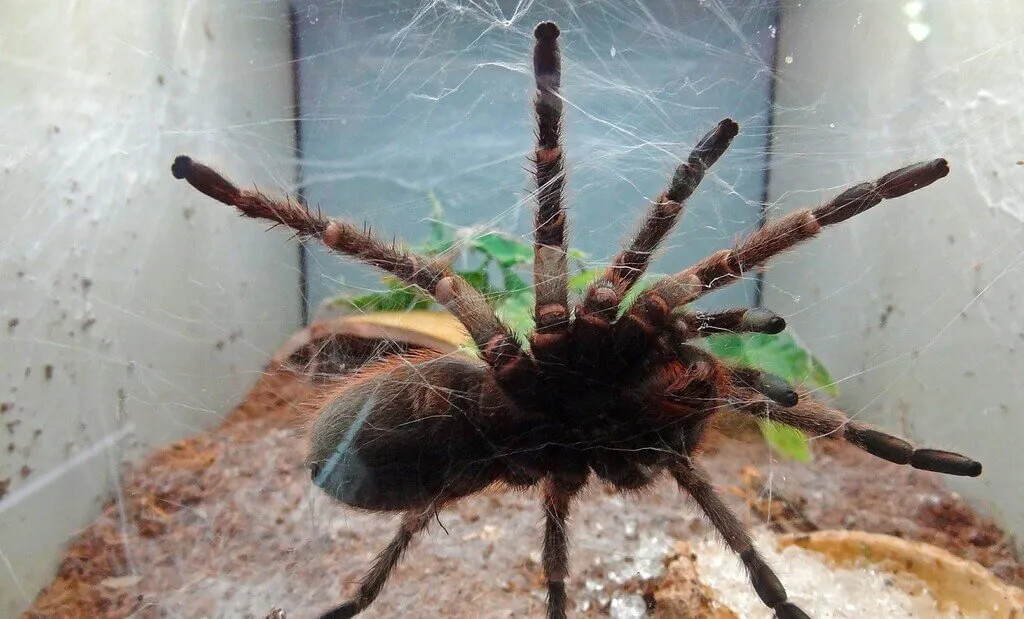
Understanding Pink Toe Tarantula Feeding Needs
Feeding a pink toe tarantula might seem straightforward, but understanding their specific needs is crucial for their health and longevity. These arboreal spiders, native to the rainforests of the Caribbean and northern South America, have unique dietary requirements influenced by their life stage, environment, and overall health. Providing the right food, in the correct amounts, and at the appropriate frequency is essential to ensure your tarantula thrives. This guide will delve into the intricacies of feeding your pink toe tarantula, covering everything from how often to feed them to the types of prey that are most suitable. Proper feeding is a cornerstone of responsible tarantula ownership, directly impacting your pet’s well-being.
Factors Affecting Feeding Frequency
Several factors influence how often you should feed your pink toe tarantula. These factors aren’t just about sticking to a rigid schedule; they involve observing your tarantula and adapting to its needs. Paying attention to these aspects will help you provide the best possible care.
Age of the Tarantula

The age of your tarantula is a primary determinant of its feeding schedule. Spiderlings, the youngest stage, have significantly different needs compared to juveniles and adults. As they grow and molt, their requirements change, and their feeding frequency adjusts accordingly. Understanding these age-related differences is essential for providing optimal nutrition throughout their life cycle.
Size of the Prey
The size of the prey you offer directly impacts how often you need to feed your tarantula. A larger prey item provides more sustenance, potentially allowing for longer intervals between feedings. Conversely, smaller prey requires more frequent offerings to meet the tarantula’s energy demands. Careful consideration of the prey size in relation to your tarantula’s size is crucial for ensuring it receives adequate nutrition without overfeeding.
Temperature and Humidity
Temperature and humidity levels within the tarantula’s enclosure can influence its metabolism and appetite. Higher temperatures typically accelerate metabolism, potentially increasing the tarantula’s need for food. Conversely, lower temperatures might slow down its metabolism, reducing its feeding requirements. Maintaining appropriate humidity is also crucial, as it affects the tarantula’s ability to digest food and stay hydrated. Monitoring and adjusting these environmental factors are essential to support a healthy appetite and digestive function.
How Often to Feed Pink Toe Tarantulas

Determining the optimal feeding frequency involves balancing the tarantula’s age, the size of the prey, and environmental conditions. Here’s a general guideline, but always observe your tarantula’s behavior and adjust as needed.
Spiderlings
Spiderlings require the most frequent feeding, typically every other day or every three days. Their rapid growth demands a consistent supply of nutrients. Offer small, appropriately sized prey like flightless fruit flies or pinhead crickets. Ensure the prey is smaller than the tarantula’s body to avoid overwhelming them.
Juveniles
Juveniles can be fed less frequently, usually once or twice a week. The prey size can be increased as they grow, offering small crickets or roaches. Observe the tarantula’s abdomen size; a healthy abdomen will be slightly plump but not overly distended.
Adults

Adult pink toe tarantulas can be fed every one to two weeks. They are typically larger and can consume larger prey items such as adult crickets or small roaches. It’s essential to monitor their body condition and adjust the feeding schedule accordingly. Overfeeding can lead to obesity, while underfeeding can cause health problems. Adult females, especially those carrying eggs, may require more frequent feedings to support their reproductive efforts.
What to Feed Your Pink Toe Tarantula
The diet of a pink toe tarantula should consist primarily of live insects. Providing a varied diet can ensure that your tarantula receives a wide range of nutrients, promoting overall health and vitality. Avoid feeding any prey that has been exposed to pesticides or other harmful chemicals, as this could be detrimental to your tarantula’s well-being. When in doubt, always source prey from a reputable supplier.
Appropriate Prey Items
Suitable prey items for pink toe tarantulas include crickets, roaches (such as Dubia roaches), mealworms, and, occasionally, other insects. The key is to ensure the prey is appropriately sized for the tarantula. It is crucial to gut-load the insects before feeding them to your tarantula. Gut-loading involves feeding the insects nutritious food, like vegetables and fruits, before offering them to your tarantula. This practice enriches the nutritional value of the prey, providing your tarantula with essential vitamins and minerals.
Size of Prey

The general rule of thumb is to offer prey that is no larger than the tarantula’s body. For spiderlings and juveniles, this means very small insects. As the tarantula grows, so should the size of the prey. Always err on the side of caution and avoid offering prey that is too large, which could pose a risk to your tarantula. If the tarantula doesn’t eat the prey within 24 hours, remove it, as it could stress the tarantula or pose a danger during a molt.
Feeding Techniques and Tips
Successful feeding goes beyond just offering prey. It also involves observing your tarantula’s behavior and ensuring its feeding environment is conducive to its health. Regular observation and an awareness of your tarantula’s needs can significantly contribute to its overall well-being.
Observing Your Tarantula’s Appetite
Pay close attention to your tarantula’s feeding habits. A healthy tarantula will typically exhibit a strong feeding response and readily consume the offered prey. A tarantula that consistently refuses food might be experiencing stress, nearing a molt, or be ill. The abdomen’s size is also an indicator; a plump abdomen is usually a sign of a well-fed tarantula. If your tarantula refuses food for an extended period, consult with an experienced tarantula keeper or a veterinarian specializing in exotic animals.
Dealing with Refusal to Eat

There are several reasons why a pink toe tarantula might refuse to eat. The most common reason is molting. During a molt, tarantulas often stop eating completely. Other potential causes include stress, improper environmental conditions, or illness. Ensure the enclosure is set up correctly with appropriate temperature and humidity levels. Provide a hiding place to reduce stress. If the refusal persists, review all environmental factors and assess your tarantula’s health.
Maintaining a Healthy Pink Toe Tarantula
Beyond feeding, maintaining a healthy pink toe tarantula involves providing the right environment and ensuring their basic needs are met. Regular care and attention contribute to their longevity and well-being.
Importance of Proper Enclosure
The enclosure should be appropriately sized for the tarantula, with good ventilation and secure lid to prevent escapes. Pink toe tarantulas are arboreal, so the enclosure should be taller than it is wide. Include decorations such as branches or cork bark for climbing and hiding. The enclosure should also have a substrate, such as coconut fiber or peat moss, to help maintain humidity levels. Regularly clean the enclosure to remove any uneaten food and waste, promoting a healthy environment.
Providing Fresh Water

A constant supply of fresh, clean water is essential for your tarantula’s hydration. Use a shallow water dish, ensuring it is not too deep to avoid drowning. Regularly clean the water dish to prevent bacteria and algae growth. For spiderlings, you may use a bottle cap or a shallow dish with a cotton ball soaked in water to prevent accidental drowning. Providing a consistent water source is critical for a healthy and thriving pink toe tarantula.
In conclusion, understanding the pink toe tarantula feeding schedule and its contributing factors is crucial for responsible pet ownership. Providing the right food at the right time, along with proper enclosure care, will ensure that your tarantula lives a long, healthy, and fulfilling life. Remember, observing your tarantula’s behavior and adapting your care routine accordingly is the key to success.