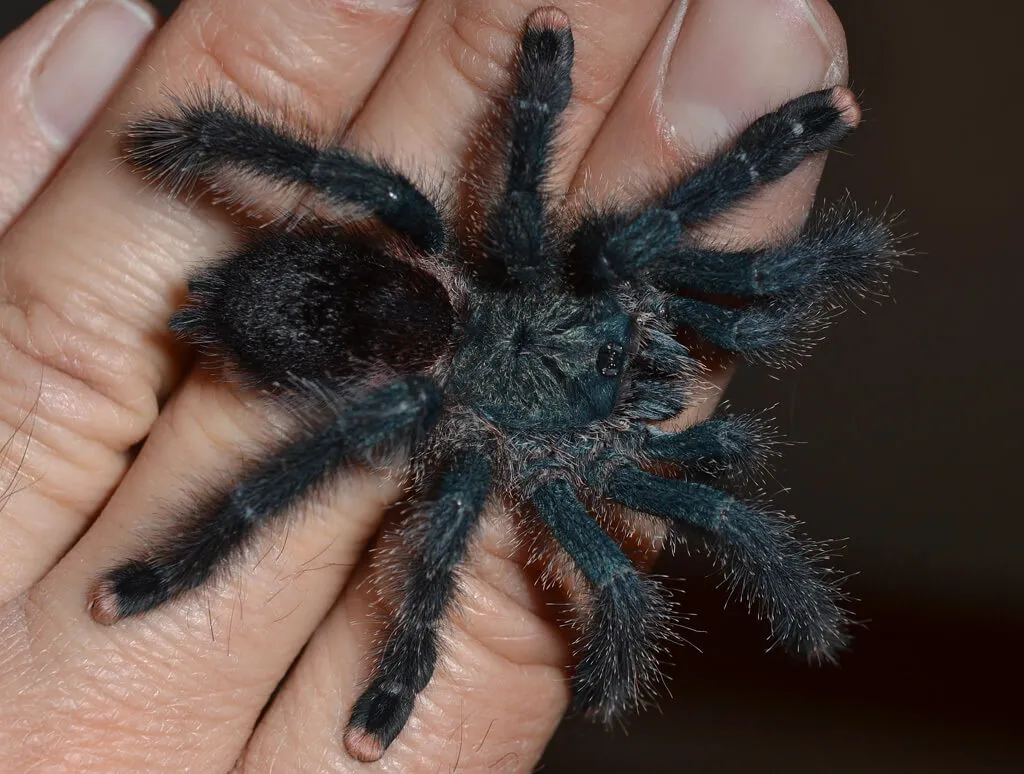
Pink Toe Tarantula: 5 Fascinating Behaviors
The Pink Toe Tarantula (Avicularia avicularia) is a captivating species, renowned for its gentle disposition and striking appearance. Beyond its beauty, the Pink Toe Tarantula exhibits a range of fascinating behaviors that make it a captivating subject of study for both arachnologists and pet enthusiasts. Understanding these behaviors is crucial for providing proper care and appreciating the intricate lives of these arboreal spiders. From their web-spinning habits to their mating rituals, the Pink Toe Tarantula offers a window into the fascinating world of arachnids. This article delves into five of the most intriguing aspects of Pink Toe Tarantula behavior, shedding light on their survival strategies, social interactions, and unique adaptations. By exploring these behaviors, we can gain a deeper appreciation for these remarkable creatures and the important role they play in their ecosystems.
Arboreal Lifestyle and Web Spinning
As arboreal creatures, Pink Toe Tarantulas have adapted to life in trees and other elevated environments. Their behavior is heavily influenced by this lifestyle, with web-spinning playing a crucial role in their survival. Unlike terrestrial tarantulas that create burrows or ground webs, Pink Toes construct intricate webs in the branches of trees, under leaves, or within other elevated structures. This web-spinning behavior is not just for trapping prey, but also serves several other important functions, including providing a secure habitat and a means of communication. The web acts as a sensory network, allowing the tarantula to detect vibrations that signal the presence of potential prey or predators. This unique adaptation is essential for their survival in a complex and dynamic environment.
Web Structure for Safety

The structure of a Pink Toe Tarantula’s web is specifically designed to provide safety and security. The dense, silken retreats offer protection from the elements, such as rain and direct sunlight, while also serving as a barrier against potential predators. The strategic placement of the web, often in sheltered locations, further enhances their safety. The silk itself is incredibly strong and resilient, providing a robust structure that can withstand environmental challenges. Within the web, the tarantula creates a secure haven where it can rest, molt, and retreat when threatened. This complex architecture demonstrates the tarantula’s sophisticated understanding of its environment and its ability to adapt to various challenges, ensuring their survival in their natural habitat and in captivity.
Web Structure for Hunting
In addition to providing safety, the web also plays a vital role in the Pink Toe Tarantula’s hunting strategy. The web acts as a sophisticated trap, designed to ensnare unsuspecting prey. The tarantula strategically positions its web to intercept flying insects and other potential meals. When prey comes into contact with the sticky silk, the vibrations alert the tarantula, which quickly ambushes its victim. The web’s design ensures that prey is efficiently trapped, making it easier for the tarantula to secure its meal. The web’s structure also allows the tarantula to detect the size and location of the prey, helping it to decide when to strike. This efficient hunting mechanism is essential for the tarantula’s survival, allowing it to efficiently acquire the necessary nutrients to thrive in its environment.
Defensive Postures and Threat Displays
While generally docile, Pink Toe Tarantulas will exhibit defensive behaviors when they feel threatened. These displays are designed to deter potential predators and protect themselves. The tarantula’s defensive posture is a clear signal that it feels vulnerable and that it is prepared to defend itself. These behaviors are an important part of their survival strategy, allowing them to avoid unnecessary conflict and protect themselves from harm. The tarantula’s ability to assess threats and respond accordingly is a testament to its intelligence and adaptability. Understanding these defensive behaviors is crucial for responsible pet ownership, as it allows keepers to recognize and avoid situations that could cause stress or injury to the tarantula.
The Defensive Stance

One of the most common defensive postures is the raising of the front legs, coupled with a display of the fangs. The tarantula will often rear up on its hind legs, exposing its fangs and presenting a threatening appearance. This stance is a warning to any potential threat, signaling that it is prepared to bite if necessary. The Pink Toe Tarantula also may flick urticating hairs from its abdomen as a defense mechanism, a behavior that can cause skin irritation in humans and other animals. This combination of visual and physical defenses is designed to deter predators and protect the tarantula from harm. This display is a clear sign that the tarantula feels threatened and should be left alone to avoid potential injury.
Flipping Behavior
In extreme cases of perceived threat, Pink Toe Tarantulas may exhibit a behavior known as flipping. This involves the tarantula quickly flipping over onto its back, presenting its vulnerable underside. This may seem counterintuitive, but it’s actually a last-ditch defensive tactic. By exposing its soft abdomen and the fangs, the tarantula is attempting to appear unappetizing or as a less-than-desirable meal for a predator. This surprising tactic is employed when the tarantula feels cornered or unable to escape. It’s a clear sign of extreme stress and indicates the tarantula perceives a significant threat. Understanding this behavior is important for responsible pet care, as it signals that the tarantula needs space and should not be handled.
Feeding and Hunting Strategies
Pink Toe Tarantulas are opportunistic ambush predators, their hunting strategies shaped by their arboreal lifestyle and their web-spinning abilities. They primarily feed on insects, but their diet can also include small invertebrates and, occasionally, small vertebrates. Their hunting methods are highly effective, allowing them to efficiently capture and consume their prey. Their predatory behavior highlights their adaptability and their role in the ecosystem, showcasing their ability to survive and thrive in a variety of environments, from tropical rainforests to well-maintained terrariums. Understanding their feeding habits is crucial for providing proper care and ensuring their overall health and well-being.
Ambush Predators

Pink Toe Tarantulas are ambush predators, patiently waiting for prey to come within striking distance. They often position themselves near their webs, using their sensory hairs to detect vibrations caused by approaching insects. They strike with lightning speed, injecting venom that immobilizes the prey. They then use their chelicerae, or fangs, to break down the prey’s tissues, allowing them to ingest the nutrient-rich fluids. This hunting strategy is highly effective, allowing them to conserve energy and maximize their chances of success. This passive approach to hunting is a testament to their adaptation to the arboreal lifestyle. They have evolved to be highly efficient hunters, ensuring they have a consistent supply of food in their environment.
Dietary Habits and Prey
The Pink Toe Tarantula’s diet primarily consists of insects, with crickets, roaches, and mealworms being popular choices in captivity. They also consume other invertebrates, such as spiders, and occasionally, small vertebrates, like small lizards or baby mice. The size and type of prey depend on the tarantula’s size and age. Juveniles consume smaller insects, while adults can handle larger meals. In the wild, the tarantula’s diet can vary depending on what prey is available. Providing a varied diet is essential for their health and well-being, ensuring they receive the necessary nutrients for growth and development. Ensuring a balanced diet also mimics their natural feeding patterns, which is beneficial for their physical and mental health.
Mating Rituals and Reproductive Behavior
The mating rituals of Pink Toe Tarantulas are a fascinating display of complex behaviors, involving intricate communication and careful coordination between males and females. These rituals are essential for successful reproduction, ensuring the continuation of the species. The tarantula’s reproductive behavior is intricately linked to its overall life cycle, highlighting its adaptability and its role in maintaining the balance of its environment. Observing these rituals provides a deeper understanding of the tarantula’s social dynamics, showing the complex interactions between males and females. Understanding the mating process is also important for responsible breeding practices and conservation efforts.
Male and Female Interactions

During the mating season, male Pink Toe Tarantulas become highly active, seeking out receptive females. They often drum on the ground or web to attract the attention of females, a form of communication. Once a male locates a female, he approaches cautiously, displaying elaborate courtship behaviors to avoid being mistaken for prey. If the female is receptive, she allows the male to mate with her. The male uses specialized pedipalps to transfer sperm into the female’s spermatheca. This is a delicate dance, and the male must be quick and agile to avoid being attacked. After mating, the male typically retreats to avoid being eaten by the female. The interaction between the male and female shows a level of interaction not always seen in other tarantula species.
Egg Sacs and Spiderlings
Following successful mating, the female Pink Toe Tarantula will create an egg sac, a silken pouch where she deposits her eggs. She carefully guards the egg sac, protecting it from predators and ensuring the eggs are kept at the appropriate temperature and humidity levels. After several weeks, the eggs hatch, and the spiderlings emerge. The female continues to care for the spiderlings, providing them with food and protection until they are able to fend for themselves. Spiderlings often stay close to their mother for a period of time, learning essential survival skills before dispersing to establish their own territories. This maternal care is crucial for the survival of the next generation and demonstrates the complex social dynamics of this species. The egg sac and the mother’s care show an advanced level of parenting behavior.
Molting Process and Growth
Like all tarantulas, Pink Toes must molt, shedding their exoskeletons to allow for growth. This process is a crucial part of their life cycle, enabling them to increase in size and develop. Molting is a vulnerable time for the tarantula, as it sheds its protective outer layer, making it susceptible to predators and environmental hazards. Understanding the molting process and providing the proper care during this period is essential for ensuring the tarantula’s health and survival. Molting can be a stressful experience for the tarantula, and understanding the different stages of molting is key to providing the right environment and support.
Preparation for Molting

As a Pink Toe Tarantula prepares to molt, it will exhibit several telltale signs. These include a decrease in appetite, lethargy, and the creation of a silken mat. The tarantula may also appear duller in color as the new exoskeleton forms beneath the old one. During this phase, it’s crucial to avoid disturbing the tarantula and to maintain a stable and humid environment. Providing a safe and secure environment allows the tarantula to focus on the molting process. The preparation for molting can last anywhere from a few days to several weeks, depending on the tarantula’s age and growth rate. Patience and understanding are essential during this period.
Post-Molting Vulnerability
After molting, the Pink Toe Tarantula’s new exoskeleton is soft and vulnerable. It will take several days or even weeks for the new exoskeleton to harden fully. During this period, the tarantula is particularly susceptible to injury and predators. It’s crucial to avoid handling the tarantula during this time and to provide a safe environment. They will typically remain in their retreat or web, allowing their exoskeleton to harden properly. The tarantula will also be more sensitive to environmental changes during this period. Providing a stable and stress-free environment is essential for ensuring the tarantula’s full recovery and continued growth. This is a critical period in their lifecycle.