What is a Mexican Red Knee Tarantula?
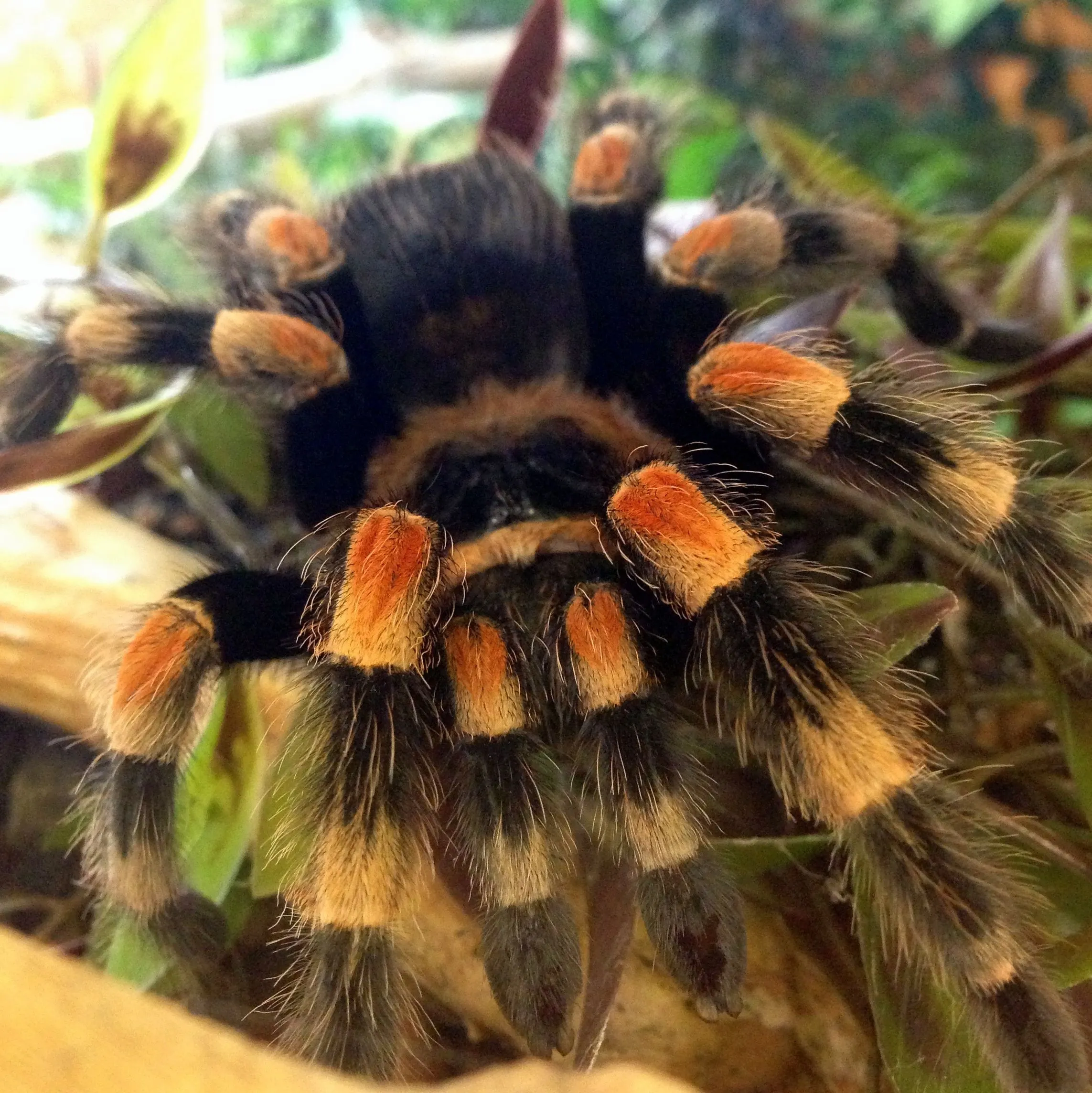
The Mexican Red Knee Tarantula (Brachypelma hamorii) is a popular pet tarantula, admired for its striking coloration and relatively docile temperament. Native to the Pacific coast of Mexico, these spiders are known for their distinctive red-orange bands on their leg joints, contrasting with black segments, hence the name. They are relatively long-lived, with females potentially surviving for 20-30 years, making them a long-term commitment for any potential owner. These arachnids are relatively slow-moving and spend a lot of their time in their burrows or hiding, making them a good choice for those new to owning exotic pets. Understanding the basics of their care, including their lifespan, habitat needs, and dietary requirements, is essential before deciding to bring one into your home, which impacts their overall cost.
Factors Influencing Red Knee Tarantula Price
The cost of a Mexican Red Knee Tarantula can vary considerably, influenced by several key factors. These spiders are not mass-produced, and the prices reflect the care and time invested in their breeding and rearing. Knowing these factors helps potential owners budget correctly and understand the value they are getting. The age, size, and sex of the tarantula are all primary determinants of cost. Additionally, where you purchase your tarantula, whether online or from a local retailer, and any color variations the spider may have, can significantly change the final price. Another critical consideration is the cost of setting up the enclosure, including the tank, substrate, and decorations, which all need to be included when figuring out the total investment.
Age of the Tarantula

Spiderlings, or juvenile tarantulas, are generally less expensive than older, more mature specimens. This is because they are smaller and more delicate, requiring more specialized care. As they grow, their value increases, especially as they reach breeding age or exhibit more pronounced colorations. However, younger tarantulas are also more prone to health issues and can be more challenging for novice owners. The price difference can be substantial, with spiderlings costing as little as $20-$40, while adult females can cost upwards of $150 or more, reflecting their longer lifespan and breeding potential.
Size and Sex
The size and sex of a Mexican Red Knee Tarantula also play a crucial role in determining its price. Adult female tarantulas are typically more expensive than males. This is due to their longer lifespans and potential for breeding. Adult females can live for 20 years or more, providing a long-term pet experience. Male tarantulas, on the other hand, have shorter lifespans, often only living for a few years after reaching maturity. The size of the tarantula is directly related to its age, so larger tarantulas, usually adults or near-adults, will command higher prices. The overall size impacts the type of enclosure needed and the amount of food consumed, influencing the total ownership costs.
Morphs or Color Variations
While the standard Mexican Red Knee Tarantula is known for its striking red and black coloration, variations or morphs are not typically common in this species. However, if they exist, they may command a higher price. The price will vary depending on the rarity and the intensity of the coloration. These variations are generally due to genetic mutations that affect their appearance. The market for these unique specimens is smaller, and prices are often determined by the breeder or seller based on the characteristics of the individual spider. Always make sure any color variation is healthy and not due to disease.
Where to Buy Your Tarantula

Where you purchase your Mexican Red Knee Tarantula significantly impacts the price. Buying from reputable sources ensures the tarantula is healthy and ethically sourced. Different options offer different advantages in terms of cost, selection, and support. Whether you choose to purchase online or at a local shop, doing research ahead of time is essential. Always review the seller’s reputation and read reviews from other buyers before making your decision. The goal is to find a healthy tarantula at a fair price while supporting ethical breeding practices.
Online Tarantula Retailers
Online retailers often offer a wide selection of tarantulas at competitive prices. These businesses typically specialize in exotic pets and have extensive knowledge of the species they sell. Purchasing online gives access to breeders across the country, making it easier to find a specific spider. However, it is crucial to verify the retailer’s reputation before making a purchase. Check for reviews and ensure they have a solid guarantee for live arrival. Shipping costs can add to the total expense, and it’s important to consider the potential for shipping-related stress on the tarantula. Some online retailers also offer complete care packages that include the tarantula, enclosure, and essential supplies, which can be convenient for beginners.
Local Reptile Stores and Expos
Local reptile stores and expos can be excellent places to purchase a Mexican Red Knee Tarantula. These venues offer the advantage of being able to see the tarantula in person before committing to a purchase. You can also discuss the spider’s health and behavior with the seller. Expos often bring together multiple breeders and vendors, providing a variety of choices and potentially more competitive pricing. The prices at local stores and expos can vary, and it is worth comparing prices and tarantulas before buying. Local stores are able to provide help and knowledge. The ability to ask questions and get immediate advice can be helpful for new owners. However, the selection may be more limited compared to online retailers.
Cost of Supplies and Enclosure

Setting up a suitable enclosure is a crucial part of caring for a Mexican Red Knee Tarantula and adds to the initial cost. The enclosure should replicate the tarantula’s natural habitat, ensuring the spider is healthy and thriving. The size and type of enclosure will depend on the tarantula’s size, with larger specimens requiring more space. Along with the tank itself, you’ll need to purchase substrate, decorations, and other essential items. This initial setup cost is a critical part of budgeting for the new pet.
Enclosure and Tank Setup
The enclosure should be appropriate for the size of the tarantula. A good rule of thumb is to provide an enclosure that is at least three times the tarantula’s leg span in width. Glass or acrylic tanks are common choices, with secure lids to prevent escape. The enclosure should also include ventilation to prevent the buildup of humidity and promote good air circulation. Consider the cost of the enclosure itself, which can range from $20 to $100 or more, depending on the size and material. Avoid screen-topped enclosures as tarantulas can get their feet stuck in the mesh. The setup will also need to include a water dish and the necessary substrate for the species to thrive.
Substrate and Decor
The substrate is the bedding material in the enclosure, providing a comfortable surface for the tarantula to burrow and feel secure. A good substrate for a Mexican Red Knee Tarantula is a mix of peat moss, coconut fiber, and a small amount of vermiculite. This combination helps retain moisture and allows the tarantula to create burrows. The cost of substrate varies depending on the quantity purchased. Decorations are an important part of the enclosure, providing hiding places and enriching the tarantula’s environment. You can use cork bark, artificial plants, and other non-toxic materials. The total cost of substrate and decorations will depend on the size of the enclosure and your preferences, but it is an essential part of creating a healthy habitat.
Food and Feeding

Providing proper nutrition is crucial for the health and well-being of your Mexican Red Knee Tarantula. Their diet consists primarily of live insects, and you should factor in the cost of these insects as part of your ongoing expenses. Proper feeding ensures your tarantula grows and thrives, contributing to its overall health and longevity. Different insects offer different nutritional values, so providing a variety helps ensure a balanced diet. Regular feeding also helps promote the tarantula’s natural behaviors, keeping it active and engaged. The cost of feeding varies depending on the size and frequency of feeding.
Live Insects and Prey
The primary food source for a Mexican Red Knee Tarantula is live insects. Crickets, mealworms, and dubia roaches are common choices. The size of the prey should be appropriate for the size of the tarantula; a general guideline is to feed insects that are no larger than the tarantula’s body. The cost of live insects varies depending on the type, quantity, and where you purchase them. Buying in bulk can often be more cost-effective, especially if you have multiple tarantulas. It is essential to ensure the insects are raised in a healthy environment to prevent the risk of introducing parasites or diseases to your tarantula. You should also consider the cost of storing and maintaining the insects you purchase.
Supplements and Vitamins
While a tarantula’s primary diet consists of live insects, you might consider supplementing their diet with vitamins and calcium. These supplements ensure they receive all necessary nutrients, especially when the insects they consume are not always perfectly balanced. Vitamin and calcium supplements are available in powder form and can be dusted onto the insects before feeding them to the tarantula. Although supplements are not always essential, they can help ensure your tarantula receives optimal nutrition. The cost of these supplements is relatively low, and the investment contributes to the tarantula’s overall health and well-being. The use of supplements also aids in molting, which is essential for their growth.
Ongoing Costs of Tarantula Care

Beyond the initial purchase price and setup costs, there are ongoing expenses associated with owning a Mexican Red Knee Tarantula. These include the cost of food, substrate, and potentially veterinary care. These ongoing costs contribute to the total investment and should be considered before purchasing a tarantula. Budgeting for these recurring expenses is essential for long-term care.
Veterinary Care
Tarantulas are generally hardy creatures, and they don’t require regular veterinary visits like some other pets. However, it’s essential to have a plan for potential health issues or emergencies. Finding a veterinarian experienced with exotic pets can be beneficial, although it may not be available in all areas. Veterinary care can be an unexpected expense, so having a small emergency fund is wise. Regular observation of your tarantula’s behavior, eating habits, and overall appearance can help catch any potential problems early. The cost of veterinary care will depend on the type of treatment needed.
Conclusion: Is a Red Knee Tarantula Right for You?
Owning a Mexican Red Knee Tarantula can be a rewarding experience. They are fascinating creatures that make excellent pets for those who enjoy observing their behavior. However, it is crucial to consider the initial and ongoing costs involved before acquiring one. The initial cost, including the purchase price, enclosure setup, and supplies, can range from around $50 to several hundred dollars, depending on the factors discussed. Ongoing expenses include food, substrate replacement, and potential veterinary care. By understanding these costs and committing to providing proper care, you can ensure a healthy and fulfilling life for your tarantula. Doing your research and carefully planning before bringing one home is a good investment.