Red Tarantula: Top 5 Shocking Facts!
The red tarantula, a captivating arachnid, often sparks curiosity and fascination among animal enthusiasts. Known for their striking appearance and unique characteristics, these spiders have become popular pets, and their behavior is often misunderstood. This article unveils five shocking facts about the red tarantula, providing a deeper understanding of these amazing creatures and dispelling common misconceptions. Prepare to be amazed as we delve into the hidden world of the red tarantula, exploring everything from their striking color variations to the intricacies of their venom.
What is a Red Tarantula (and Where to Find Them)?
The term “red tarantula” typically refers to several species of tarantulas that exhibit reddish coloration. These spiders are native to various regions, including the southwestern United States, Mexico, and parts of Central America. They inhabit diverse environments, ranging from arid deserts to tropical forests. Their ability to adapt to different climates contributes to their widespread distribution. You can find them in burrows, under rocks, or in crevices, where they create their habitats to ambush prey. Their presence offers a glimpse into the unique ecological diversity of their natural habitats.
Appearance and Characteristics of the Red Tarantula

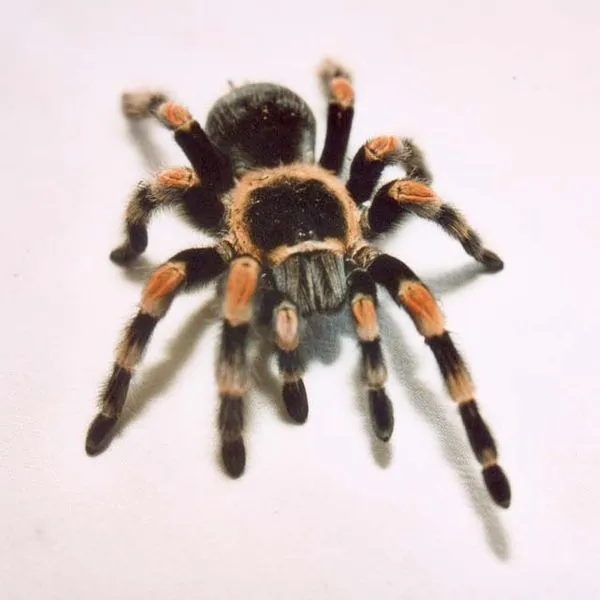
Red tarantulas are easily recognizable, primarily due to their vibrant coloration. The shades of red can vary, ranging from a deep, rusty hue to a bright, almost fiery color. This coloration serves as a form of camouflage, helping them blend in with the reddish soils and vegetation of their environment. They also possess the typical characteristics of tarantulas, including eight legs, two body segments (cephalothorax and abdomen), and chelicerae (fangs). The body is covered in dense hairs, some of which are urticating hairs used for defense. The overall appearance of a red tarantula is both striking and intimidating, making them a captivating subject of observation and study.
Amazing Fact 1 Color Variations
While the name suggests a single color, red tarantulas exhibit a range of color variations. The intensity and shade of red can vary depending on the species, age, and even the environmental conditions. Some may have a deep, almost chocolate-brown base with red hairs, while others may display a more vibrant, fiery red. The color can also change slightly with molting, as the new exoskeleton emerges. This diversity in coloration adds to their allure and makes each red tarantula unique. These color variations help the spiders blend in with their surroundings, providing effective camouflage.
Amazing Fact 2 Size and Lifespan
Red tarantulas, like other tarantula species, are known for their considerable size and impressive lifespans. They can grow to be quite large, with some species reaching a leg span of up to six inches or more. The females typically live longer than the males, with lifespans of up to 20-25 years, and in some cases even longer under optimal conditions. Males, on the other hand, tend to have shorter lifespans, typically living for around 5-10 years. Their slow growth and long lifespans make them a long-term commitment for any tarantula enthusiast.
Amazing Fact 3 Behavior and Temperament

Red tarantulas are generally considered to be relatively docile, especially compared to other tarantula species. However, their temperament can vary depending on the individual spider and its environment. They are typically nocturnal creatures, spending most of the day hiding in their burrows or under cover. When threatened, they may flick their urticating hairs as a defensive mechanism, which can cause skin irritation. Some red tarantulas are more prone to defensiveness than others. A proper understanding of their behavior is crucial for responsible pet ownership and safe handling.
Amazing Fact 4 Venom Potency
The venom of a red tarantula, while potent, is not considered lethal to humans. Their venom is primarily used to subdue prey, such as insects, small rodents, and sometimes even other spiders. A bite from a red tarantula can be painful, causing localized pain, swelling, and redness. However, the symptoms usually subside within a few hours or days. Allergic reactions, though rare, can occur, and in such cases, medical attention is necessary. It is essential to handle red tarantulas with care and avoid any unnecessary contact, minimizing the risk of being bitten. Understanding the effect of the venom is important for both owners and people encountering them in the wild.
Amazing Fact 5 Habitat and Diet
Red tarantulas thrive in specific habitat conditions. They prefer environments with moderate humidity, a temperature range of 75-85°F, and suitable substrate for burrowing. In captivity, their habitat should include a hide, such as a cork bark or a hollow log, and a shallow water dish for drinking. The diet of red tarantulas consists primarily of insects, such as crickets, roaches, and mealworms. They can also be fed small vertebrates, such as pinky mice, occasionally. It’s crucial to provide a varied and nutritious diet to ensure the health and longevity of a red tarantula in captivity. Proper habitat setup and dietary care are essential for the tarantula’s overall well-being.
Caring for a Red Tarantula

Caring for a red tarantula involves several crucial elements. You must replicate their natural habitat in their enclosure. This includes providing appropriate substrate, temperature, and humidity levels. Regular monitoring of the environment is essential. Feeding them appropriately sized insects or other prey items is necessary for their health. Keeping the enclosure clean and removing any uneaten food will prevent the buildup of mold and bacteria. Handling them should be minimized, and their enclosure should be securely closed. Always conduct thorough research before deciding to own one and ensure you are prepared for the responsibilities.
Red Tarantula’s Diet
The diet for a red tarantula primarily includes insects such as crickets, mealworms, and roaches. These insects provide the essential nutrients that the tarantula requires for growth and health. The size of the prey should be appropriate for the size of the tarantula. Feeding frequency can vary depending on the spider’s age and growth rate. Provide a variety of insects to ensure a balanced diet. Always remove any uneaten food to prevent bacterial and mold growth in the enclosure. Providing a suitable diet is key to their overall health.
Common Health Issues
Red tarantulas, like all animals, are susceptible to certain health issues. Common problems include mites, fungal infections, and impaction. Mites can infest tarantulas, causing irritation and potentially transmitting diseases. Fungal infections may occur if the environment is too humid or if the substrate isn’t clean. Impaction, a condition where the tarantula cannot pass waste, can result from a lack of hydration or improper diet. Regular observation, good hygiene, and environmental control are crucial for preventing these issues. Consulting a veterinarian specializing in exotic animals can provide additional insights and treatment options.
Conclusion

The red tarantula is a captivating creature with fascinating characteristics. From their striking colors to their unique behavior and care requirements, red tarantulas continue to intrigue and amaze animal enthusiasts. Understanding their habitat, dietary needs, and potential health issues will help ensure their well-being. Whether you are a curious observer or a potential owner, this article provides insight into these beautiful arachnids.