What is the Redknee Tarantula Scientific Name
The Redknee Tarantula, a captivating creature with vibrant colors, has captured the attention of arachnid enthusiasts worldwide. Understanding its scientific name is fundamental to appreciating and studying this fascinating species. This guide explores the scientific nomenclature, taxonomy, and essential facts about the Redknee Tarantula, providing a comprehensive overview for both beginners and experienced hobbyists. This guide seeks to provide insights into the scientific name and various aspects of the Redknee Tarantula.
Overview of the Redknee Tarantula
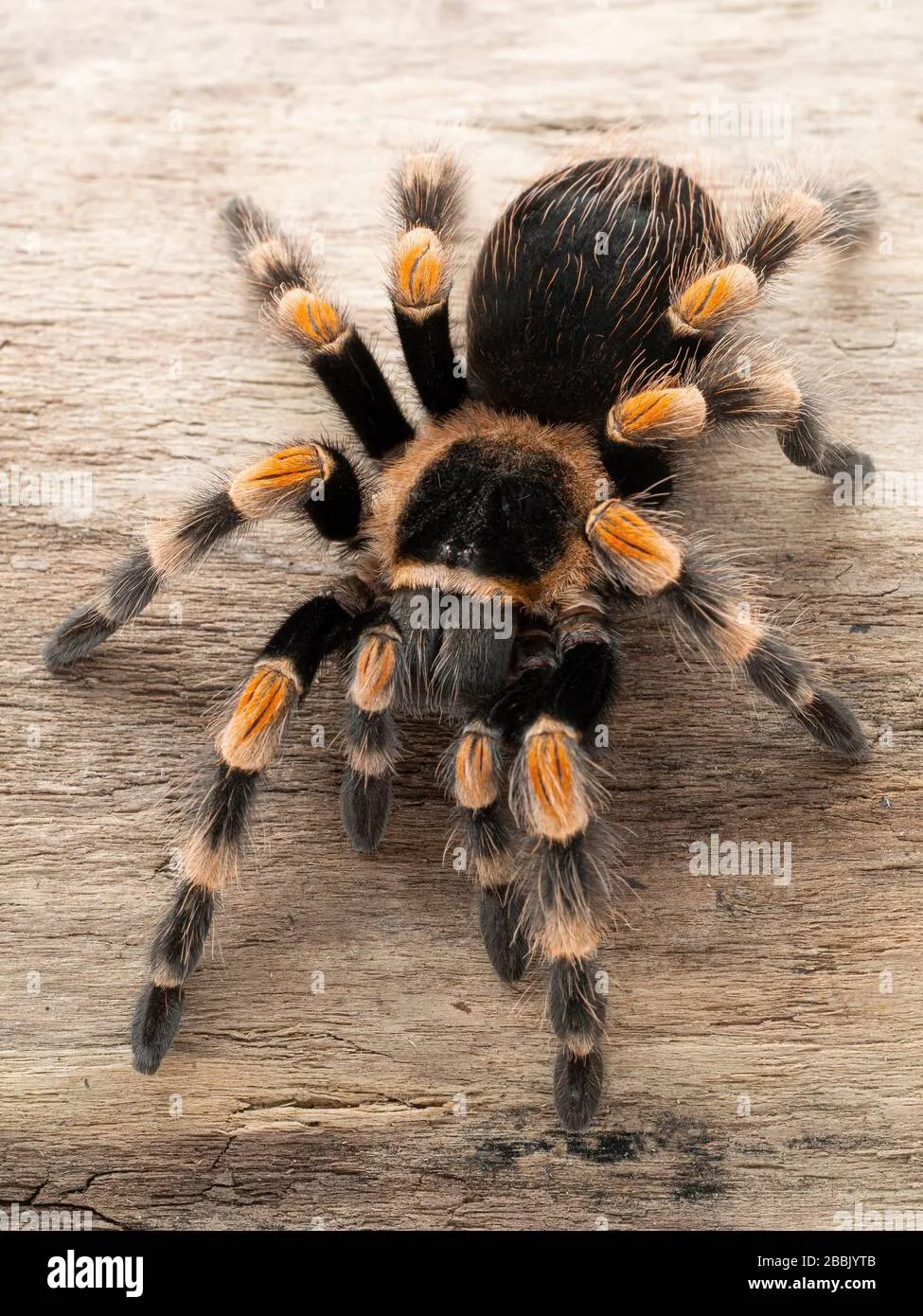
The Redknee Tarantula, scientifically known as Brachypelma hamorii, is a popular pet tarantula, celebrated for its striking red and black coloration and relatively docile temperament. Native to the arid scrublands and tropical forests of Mexico, this species is well-adapted to a terrestrial lifestyle. Their beauty, combined with their manageable size and care requirements, has made them a favorite among tarantula keepers, making them a great choice for enthusiasts.
Brief Description of the Redknee Tarantula

The Redknee Tarantula is easily recognized by its distinctive appearance. They typically have a dark body with vibrant red or orange bands on their leg joints, creating a striking contrast. Females are generally larger than males and can live for up to 20-30 years, whereas males have a shorter lifespan, usually 5-10 years. They are medium to large-sized tarantulas, with a leg span that can reach up to 6 inches, and are known for their calm demeanor, making them relatively easy to handle.
Fact 1 The Scientific Name
The scientific name of the Redknee Tarantula is Brachypelma hamorii. This binomial nomenclature, consisting of a genus and a species, provides a universal and standardized way to identify the tarantula, regardless of the common language. The scientific name helps avoid confusion that can arise from multiple common names or regional variations. Understanding the scientific name is key to accurate identification and communication among scientists and enthusiasts.
Understanding the Genus and Species
The genus, Brachypelma, groups together tarantulas with similar characteristics, such as their habitat and physical traits. The species, hamorii, specifically identifies this particular type of tarantula. It’s crucial to use the full scientific name when referring to the Redknee Tarantula to differentiate it from other species within the same genus or those with similar common names. This specificity is critical for scientific accuracy and clarity in research and conservation efforts.
Importance of Scientific Naming

Scientific naming ensures that everyone is referring to the same species. In the context of conservation and scientific research, this precision is invaluable. For instance, using the correct scientific name allows researchers to accurately study the population, behavior, and conservation status of the Redknee Tarantula. Incorrect identification could lead to misinformed conservation strategies, potentially harming the species. Therefore, the scientific name acts as a cornerstone for proper identification and management.
Fact 2 The Taxonomy of Tarantulas
Taxonomy is the science of classifying organisms. Tarantulas, including the Redknee, are classified based on their evolutionary relationships and shared characteristics. The taxonomic classification of a tarantula provides a hierarchical structure that places the species within broader groups, such as families, orders, and classes. This system helps us understand the evolutionary history and relationships between different species.
Classification and Evolution
The Redknee Tarantula belongs to the family Theraphosidae, the New World tarantulas. This classification reflects its evolutionary history and shared characteristics with other members of its family. Understanding the classification helps trace the evolutionary path of the Redknee Tarantula and recognize its connections to other arachnids. The study of taxonomy is constantly evolving as new genetic data and research refine our understanding of the relationships between species. The Brachypelma hamorii is part of the Theraphosidae family, which means that all of them share common ancestors, and it also shows that they have adapted to live in similar conditions.
Relationship to Other Tarantula Species

Within the Brachypelma genus, the Redknee Tarantula shares characteristics with other species like the Mexican Redleg Tarantula (Brachypelma emilia) and the Mexican Red Rump Tarantula (Brachypelma vagans). These species are often found in similar habitats, and their care requirements are alike. Knowing the relationships between species helps in understanding their behavior and how they interact with their environment. This also helps identify potential threats to the species and the best way to protect them.
Fact 3 Identifying the Redknee Tarantula
Identifying the Redknee Tarantula involves several key characteristics, primarily its physical appearance and habitat. Though similar in appearance to other species, certain traits help distinguish it from its relatives. Accurate identification is essential for responsible pet ownership and for conservation efforts in its native environment.
Physical Characteristics and Appearance
The most distinctive feature of the Redknee Tarantula is the red or orange coloration of its leg joints, which contrast beautifully with its black body. They also have hairs on their body, which they use to protect themselves. They have a carapace on their head, where the eyes are located. The size can vary, but they typically have a leg span up to 6 inches. The appearance can change slightly as the tarantula ages, with mature females exhibiting brighter colors. The precise patterns and coloration can serve as key identifiers, as well as their physical built, which is typical of terrestrial tarantulas.
Habitat and Geographic Distribution

The Redknee Tarantula is native to the Pacific coast of Mexico, specifically the scrublands and tropical deciduous forests. They are generally found in burrows or under rocks and logs in these environments. Understanding the habitat helps in differentiating it from other species that may have different geographical distributions. These tarantulas are adapted to a relatively dry climate, which is a crucial aspect of their care in captivity. Knowing where they originate is important to determine their natural history and implement the appropriate care and conservation strategies.
Fact 4 Significance of Scientific Names
Scientific names play a vital role in biology, providing accuracy and clarity when discussing and researching any species. The correct use of scientific names ensures that everyone understands exactly which species is being referred to, avoiding any ambiguity that could arise from common names. In addition, scientific names offer a universally recognized language that transcends regional or linguistic barriers.
Accuracy and Clarity in Biology
In biological research, using the scientific name is essential for accurate data collection and analysis. It ensures that all researchers are referring to the same species, especially crucial when studying its behavior, genetics, or conservation status. Without the scientific name, findings could be misinterpreted, which can lead to significant errors in any study. Using the scientific name is a fundamental practice that upholds the integrity and reliability of the research.
Benefits for Researchers and Hobbyists

For researchers, the scientific name is indispensable for accessing scientific literature, collaborating internationally, and sharing information accurately. Hobbyists also benefit from using scientific names as it helps them correctly identify the species, understand its needs, and avoid confusion with other species. Using the scientific name demonstrates a commitment to the well-being and proper management of the species, whether in the field or in captivity. Understanding the scientific name is important to build a solid foundation of knowledge.
Fact 5 Caring for Redknee Tarantulas
Caring for a Redknee Tarantula involves understanding its specific needs, including its habitat, diet, and health requirements. Proper care ensures the tarantula lives a long, healthy, and enriching life. This section focuses on the key aspects of husbandry to help both novice and experienced keepers provide optimal conditions for their tarantulas.
Proper Husbandry and Care
A suitable enclosure is critical for the Redknee Tarantula. It should be appropriately sized, with a substrate that allows the tarantula to burrow, such as a mixture of coconut fiber and peat moss. The enclosure should also have a water dish and a hide to provide security. The enclosure’s temperature should be between 75-85°F (24-29°C), and the humidity should be kept between 60-70%. Feeding the tarantula involves a diet of insects like crickets, roaches, and mealworms, ensuring that the prey is not larger than the tarantula. Always use clean water and clean the enclosure regularly to prevent bacteria and unwanted guests.
Common Health Issues and Prevention

Redknee Tarantulas, like other tarantulas, can experience certain health issues. Overfeeding can lead to obesity, while insufficient humidity can cause molting problems. Ensuring the enclosure is clean and well-maintained helps prevent fungal infections. Keeping an eye on the tarantula’s behavior and appearance can help you detect potential health issues early. If you notice anything unusual, it is important to consult a knowledgeable source on tarantula care or, if possible, a veterinarian experienced in exotic animals. Proper husbandry is always the best form of prevention.