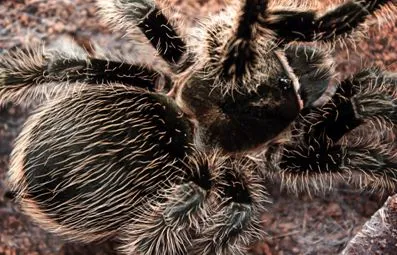
What Do Rose Hair Tarantulas Eat?
Rose Hair Tarantulas, known for their gentle disposition and striking appearance, are popular pets. A crucial aspect of keeping these fascinating creatures healthy and thriving is understanding their dietary needs. Unlike many pets, tarantulas have relatively simple diets, but the quality and variety of food are essential for their well-being. Their nutritional needs are primarily met through a diet rich in protein, which supports growth, molting, and overall health. The food sources should be readily available, safe, and appropriately sized to avoid any potential hazards. Providing a balanced diet, while not overly complex, requires careful consideration to ensure the tarantula receives all the necessary nutrients for a long and healthy life. Proper feeding also promotes a more natural environment, mimicking the conditions they would encounter in their natural habitat.
Crickets The Staple Food
Crickets are often considered the cornerstone of a Rose Hair Tarantula’s diet. Their high protein content makes them an excellent choice to meet the tarantula’s primary nutritional needs. Crickets are relatively easy to obtain from most pet stores, and they come in various sizes, allowing you to select appropriately sized prey for your tarantula’s stage of growth. The ease of availability and the fact that crickets are readily accepted by most Rose Hair Tarantulas make them an ideal, readily available, and affordable food source. Handling the crickets and introducing them to the tarantula’s enclosure is straightforward, making them a convenient option for regular feeding schedules. However, it’s also vital to note that relying solely on crickets might not provide the full spectrum of nutrients the tarantula requires, necessitating a varied diet.
Nutritional Benefits of Crickets
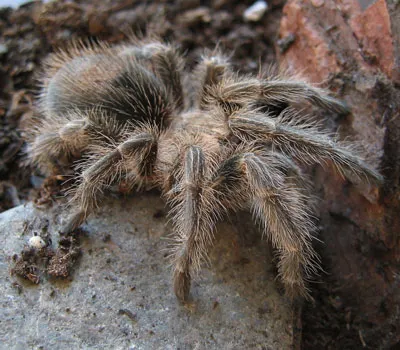
Crickets are an excellent source of protein, which is the building block for tarantulas’ growth and development. This protein is crucial for muscle development, tissue repair, and overall bodily functions. They also provide essential amino acids, which are vital for various physiological processes. Crickets contain chitin, a fiber that aids in digestion and helps maintain a healthy gut environment. They offer a moderate amount of fat, which provides energy and helps in the absorption of fat-soluble vitamins. When properly gut-loaded (fed nutritious food before being fed to the tarantula), crickets can also be a source of vitamins and minerals. Ensuring the crickets are gut-loaded enhances the nutritional value they bring to the tarantula’s diet, contributing to the overall health and vitality of the tarantula.
Mealworms An Alternative Food Source
Mealworms serve as another viable food source for Rose Hair Tarantulas, offering a different nutritional profile compared to crickets. They are readily available and, like crickets, can be purchased at most pet stores. Their convenience, along with their ease of storage, makes mealworms a practical option for tarantula owners. Mealworms are also easy to handle, and their slow movement can make them easier to catch for younger or smaller tarantulas. While they can be a good addition to the diet, it’s essential to consider their higher fat content, which might require them to be fed in moderation to avoid potential health issues. Ensuring a balanced diet means mealworms should be offered as one of several options to meet all of the tarantula’s nutritional requirements. This variety is vital for their overall health and well-being.
Nutritional Value of Mealworms
Mealworms are a good source of protein, though often slightly lower than crickets. They also contain a moderate amount of fat, providing a source of energy for the tarantula. Mealworms have a lower chitin content compared to crickets, which can affect digestion differently. They offer essential amino acids and various vitamins and minerals, though the exact amounts can vary based on the mealworm’s diet before being fed to the tarantula. Due to their higher fat content, it’s important to feed mealworms in moderation to prevent obesity and other health problems. This dietary balance ensures the tarantula gets the appropriate nutrients without the risk of overconsumption of fats. Using mealworms as one part of a varied diet ensures a broader range of nutritional intake for the tarantula.
Why Vary the Diet?

Providing a varied diet is crucial for the overall health and well-being of Rose Hair Tarantulas. Different food sources offer distinct nutritional profiles, ensuring a wider range of vitamins, minerals, and other essential nutrients. A diet consisting of solely one food source can lead to nutritional deficiencies, which can have various health implications. By offering a variety of foods, you can better replicate the natural diet of a tarantula in the wild. This variety keeps the feeding schedule more interesting for the tarantula and reduces the likelihood of them becoming bored or refusing food. It also helps prevent the potential for the tarantula to develop preferences that could lead to problems with food availability or acceptance later on. The most important reason for dietary variety is to ensure the tarantula receives a balanced and complete nutritional intake.
Benefits of a Varied Diet
A varied diet offers several significant benefits for Rose Hair Tarantulas. It ensures a broader range of essential nutrients, which supports healthy growth and development. It reduces the risk of nutritional deficiencies, which can cause a range of health issues. A diverse diet can improve the tarantula’s overall health and vitality by supporting a strong immune system. It also promotes better molting, ensuring the tarantula sheds its exoskeleton smoothly and efficiently. Varying the food sources can also help in mimicking the natural feeding habits of tarantulas in the wild, leading to a more natural and enriching experience for the pet. A balanced diet is also vital for maintaining a healthy metabolism and preventing potential health problems such as obesity or nutrient imbalances, contributing to a long and healthy life for your tarantula.
Dubia Roaches A Premium Choice
Dubia roaches have gained popularity as a top-tier food source for Rose Hair Tarantulas due to their high nutritional value and ease of digestion. They are rich in protein and have a favorable calcium-to-phosphorus ratio, making them a healthier choice than some other feeder insects. Dubia roaches are relatively slow-moving, making them easier for tarantulas to catch. They also tend to be less smelly and more straightforward to breed than other insects, providing a consistent supply. The nutritional benefits and convenience make them a premium option for tarantula owners looking to optimize their pet’s diet. The roaches are known for their meaty composition and palatability, encouraging healthy feeding habits. Choosing Dubia roaches as part of a varied diet will help your Rose Hair Tarantula live a long and healthy life.
Nutritional Advantages of Dubia Roaches

Dubia roaches offer several nutritional advantages. They have a high protein content, essential for muscle development and overall growth. They are known for a balanced calcium-to-phosphorus ratio, which is critical for the tarantula’s exoskeleton and overall bone health. Dubia roaches also provide a good source of other essential nutrients, including vitamins and minerals, contributing to a more complete diet. They have a lower fat content than some other feeder insects, which can help prevent obesity. Because of their nutritional profile, Dubia roaches can contribute to stronger molts and increased overall vitality for your Rose Hair Tarantula. Choosing these roaches, alongside other food options, makes them an excellent food for your tarantula.
Other Food Options for Rose Hair Tarantulas
Besides the primary food sources already mentioned, there are other options that can add variety to your Rose Hair Tarantula’s diet. These include superworms, which are larger than mealworms and provide more protein. Waxworms can also be given as occasional treats, but they have a high-fat content, so they should be offered sparingly. Another option includes small spiders, which can be a natural and nutritious food source, provided they are safe and free from pesticides. It’s important to introduce new food items gradually and observe your tarantula’s reaction. Offering different food options can help stimulate their hunting instincts and prevent boredom. Each option comes with its own set of pros and cons, so owners must research and assess what fits best within their feeding plan to ensure their tarantula gets a well-rounded diet.
Pinky Mice A Controversial Treat
Pinky mice, or newborn mice, are sometimes offered as a treat for Rose Hair Tarantulas, but they are a controversial food choice. While they are high in protein and can provide a substantial meal, their high-fat content and potential for digestive issues make them less ideal than other food sources. Pinky mice are a good source of certain nutrients and can be appealing to tarantulas. However, they are not necessary for a balanced diet and should be offered very infrequently, if at all. Many owners avoid using pinky mice altogether and choose to feed their tarantulas insects with higher nutritional value. When considering pinky mice, owners must carefully consider both the nutritional benefits and the potential health risks. This is especially crucial because tarantulas are susceptible to various digestive problems.
Considerations when Feeding Pinky Mice

Several factors should be considered before offering pinky mice to your Rose Hair Tarantula. Due to their high-fat content, feeding pinky mice can lead to obesity and related health problems. They can also be difficult for the tarantula to digest, causing digestive issues such as regurgitation. Pinky mice are often larger than the tarantula’s usual prey, which can pose a choking hazard if the tarantula cannot fully consume the mouse. Some owners also have ethical concerns about feeding live mammals to their pets. If you choose to offer pinky mice, it should be done sparingly, and the size should be appropriate for the tarantula. Always make sure the tarantula is healthy and capable of consuming the mouse without difficulty. Frequent monitoring is also essential to ensure there are no adverse effects on the tarantula.
Feeding Frequency and Portion Size
The feeding frequency and portion size for Rose Hair Tarantulas depend on their age and stage of growth. Younger tarantulas, which are actively growing, may need to be fed more frequently, while adults can be fed less often. Overfeeding is a common mistake, so it’s important to monitor the tarantula’s body condition. A healthy tarantula should have a slightly rounded abdomen, not an overly large one. The size of the prey should match the tarantula’s size, ensuring it can consume the food without any problems. It’s also important to consider the tarantula’s behavior and feeding habits. Tarantulas can sometimes refuse food, particularly when they are preparing to molt. Adjusting the feeding schedule based on these factors will help ensure your tarantula receives the appropriate amount of food and stays healthy.
How Often Should You Feed Your Tarantula?
The feeding frequency varies depending on the tarantula’s age. Spiderlings, or very young tarantulas, often need to be fed several times a week, perhaps every other day. Juvenile tarantulas can typically be fed once or twice a week. Adult Rose Hair Tarantulas generally only need to be fed once every one to two weeks, or even less frequently. It’s essential to observe your tarantula’s behavior and body condition. If it appears bloated, the feeding frequency should be reduced. If it is not eating, it may be preparing to molt, and the feeding should be halted until after molting. During molting periods, the tarantula will likely refuse food. The best approach is to monitor the tarantula’s overall health and adjust the feeding schedule as needed, ensuring they are not overfed or underfed.
Determining the Right Portion Size
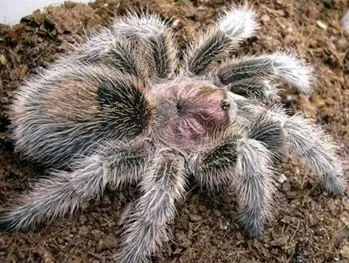
The appropriate portion size is determined by the size of the tarantula’s body. The prey should be roughly the same size as the tarantula’s abdomen. Overfeeding can lead to health problems. Undereating can slow growth and hinder molting. When determining the portion size, consider the type of food you are providing. Larger prey items, such as Dubia roaches, may be suitable for adult tarantulas. Smaller prey items, like crickets, are often better for juveniles and spiderlings. After feeding, always remove any uneaten prey within 24 hours to prevent stress on the tarantula. You want to ensure a clean enclosure environment and reduce the potential for the tarantula to be bitten. Observing the tarantula’s eating habits and adjusting the portion size appropriately will ensure it stays in good health.