What is a Rosea Tarantula?
The Rosea Tarantula, scientifically known as Grammostola rosea (formerly G. rosea), is a popular choice for beginner tarantula keepers. Native to the deserts of Chile, Bolivia, and Argentina, these spiders are known for their docile temperament and relatively low-maintenance care requirements. Their striking appearance, with a combination of pink, red, and brown hues, adds to their appeal. They typically have a lifespan of 10-20 years for females and 5-8 years for males, making them a long-term companion. Understanding the basics of their origin, habitat, and characteristics is crucial for providing the best possible care and ensuring their well-being. This comprehensive care sheet will guide you through every aspect of owning a Rosea Tarantula, from setting up their enclosure to addressing potential health issues.
Origin and Habitat
Rosea Tarantulas originate from the arid and semi-arid regions of Chile, Bolivia, and Argentina. In their natural habitat, they are terrestrial, meaning they spend most of their time on the ground. They inhabit burrows or hide under rocks and vegetation, seeking shelter from the harsh sun and fluctuating temperatures. The climate in these regions is generally dry, with moderate temperatures during the day and cooler temperatures at night. The substrate in their natural environment is typically a mix of soil, sand, and gravel, providing them with a suitable environment to create their burrows. Replicating their natural habitat in captivity is key to their health and happiness. Understanding their origin allows you to create the optimal environment for your pet.
Appearance and Characteristics

The Rosea Tarantula is a medium-sized tarantula, with females typically reaching a leg span of up to 5-6 inches. Males are usually smaller. Their bodies are covered in dense setae (hairs), which give them a fuzzy appearance. The carapace (the top part of the cephalothorax) is usually a dark brown or bronze color, while the legs can range from reddish-brown to pinkish-brown, giving them their common name. Their abdomens are typically a darker shade of brown, often with pink or red hairs. They are known for their docile temperament, making them relatively easy to handle, although handling should be done with caution. They are relatively slow-moving and are not known for being aggressive, but they can still bite if provoked. They also possess urticating hairs, which they can flick off their abdomen as a defense mechanism, causing skin irritation. Understanding their appearance and characteristics is essential for identification and proper care.
Setting Up Your Rosea Tarantula’s Enclosure
Creating a suitable enclosure is critical for the health and well-being of your Rosea Tarantula. The enclosure should mimic their natural environment, providing appropriate space, temperature, humidity, and security. The goal is to make them feel safe and secure, allowing them to exhibit their natural behaviors. This includes providing a space for them to burrow or hide. Choosing the right tank, substrate, and equipment are all essential parts of setting up the perfect home for your tarantula. Proper enclosure setup will significantly impact your tarantula’s health, stress levels, and overall lifespan. Remember to prioritize their well-being by carefully considering each element of their habitat.
Choosing the Right Tank
A glass or clear plastic enclosure is ideal for a Rosea Tarantula. The size of the enclosure should be appropriate for the tarantula’s size. A general rule of thumb is to provide an enclosure that is at least twice the tarantula’s leg span in width and length, and the height should be sufficient to accommodate a few inches of substrate. For a juvenile, a small deli cup or a 5-gallon tank may be sufficient. As they grow, you will need to upgrade to a larger enclosure, such as a 10-gallon or 20-gallon tank. Ensure the enclosure has a secure lid to prevent escape. Good ventilation is also essential, usually achieved through mesh vents or air holes, but make sure these holes are small enough to prevent the tarantula from escaping. Avoid tanks with unnecessary decorations that could potentially harm your tarantula.
Substrate Selection for Rosea

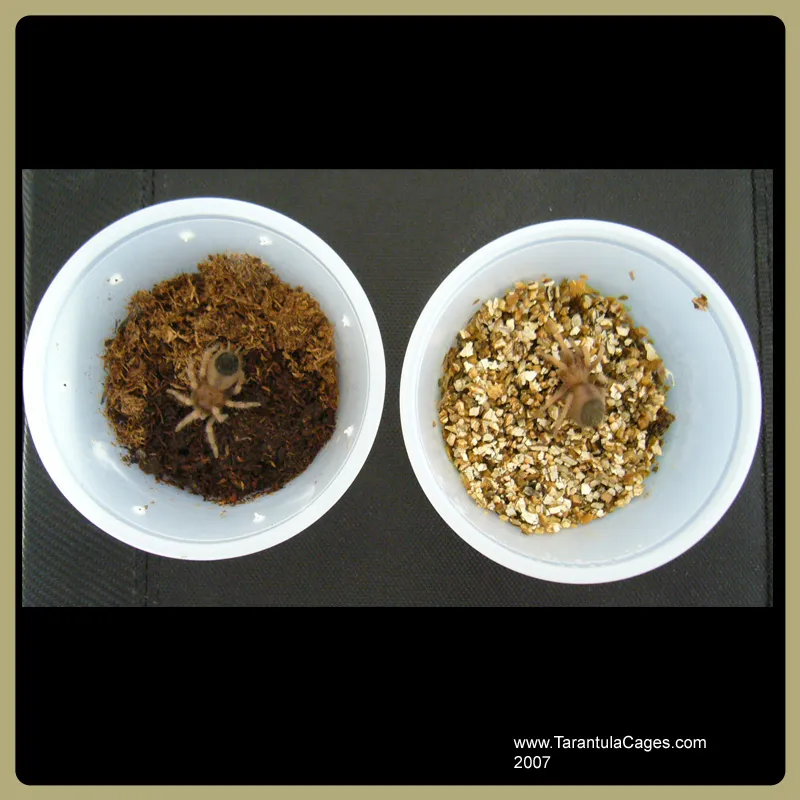
The substrate should be a mix of materials that allows the tarantula to burrow and maintain appropriate humidity levels. A good substrate choice includes a mixture of coco fiber, peat moss, and a small amount of vermiculite. This combination retains moisture well while allowing for burrowing. The depth of the substrate should be at least 3-4 inches to allow the tarantula to create its burrow. Avoid using substrates like sand or gravel, as they do not hold moisture well and can be difficult for the tarantula to burrow in. Always make sure the substrate is clean and free of any chemicals or pesticides. Replace the substrate every few months or as needed to maintain hygiene and prevent the build-up of waste products. The correct substrate will ensure your tarantula feels safe and can exhibit its natural behaviors.
Temperature and Humidity Control
Rosea Tarantulas thrive in a temperature range of 75-85°F (24-29°C). It is usually not necessary to heat the enclosure, especially if your home is kept at a comfortable temperature. If supplemental heating is required, use a heat mat placed on the side of the enclosure. Avoid placing the heat mat directly under the enclosure, as it can overheat the substrate and harm the tarantula. The humidity level should be maintained at around 60-70%. You can monitor humidity using a hygrometer. To increase humidity, lightly mist the substrate once or twice a week, being careful not to oversaturate it. Adequate ventilation is essential to prevent the build-up of mold and bacteria. Maintaining the correct temperature and humidity is vital for the tarantula’s health, appetite, and moulting process.
Essential Equipment
Several essential items are needed to complete your tarantula’s enclosure. A water dish is crucial, providing a constant source of fresh water. Choose a shallow dish that the tarantula can easily access. You can use a water dish specifically designed for reptiles or a small, shallow bowl. A hide or shelter is also necessary, providing a secure place for the tarantula to retreat and feel safe. This can be a piece of cork bark, a half-log, or a commercially available hide. A hygrometer is recommended to monitor humidity levels, and a thermometer to monitor the temperature. A pair of long feeding tongs can be used to offer food safely. Finally, you will need a spray bottle to mist the enclosure to maintain humidity levels. Having the right equipment simplifies care and enhances the quality of life for your Rosea Tarantula.
Feeding Your Rosea Tarantula

Feeding your Rosea Tarantula is a straightforward process, requiring understanding of their dietary needs and feeding habits. Their diet primarily consists of insects, and the feeding frequency depends on the tarantula’s age and size. Providing the right nutrition ensures your tarantula thrives. Always ensure food is available and safe, and that your tarantula is eating well. This section provides you with all the necessary information on how to correctly feed your Rosea Tarantula.
Diet and Feeding Frequency
Rosea Tarantulas are insectivores. Their diet should primarily consist of insects such as crickets, mealworms, dubia roaches, or superworms. The size of the prey should be no larger than the tarantula’s body size. For slings (young tarantulas), feed them 2-3 times per week. As they grow, you can reduce the feeding frequency to once or twice a week. Adult tarantulas can be fed once every 1-2 weeks. It is important to remove any uneaten prey within 24 hours to prevent stress and potential harm to the tarantula. Always provide fresh, clean water in a shallow dish for your tarantula. Consider feeding your tarantula a varied diet to ensure it receives all the necessary nutrients. Overfeeding can lead to obesity, so it is essential to feed appropriately.
Watering and Hydration
Providing fresh water is crucial for your Rosea Tarantula’s survival. Always have a shallow water dish available, filled with clean, fresh water. Change the water regularly (every few days) to prevent the growth of bacteria and fungi. In addition to the water dish, lightly misting the enclosure once or twice a week can help maintain the appropriate humidity level, particularly during the molting process. Avoid spraying the tarantula directly. Instead, spray the substrate and the sides of the enclosure. The water droplets will provide drinking opportunities and help increase humidity. Proper hydration is essential for your tarantula’s health, aiding in molting, digestion, and overall well-being. Always monitor your tarantula’s behavior and adjust watering frequency based on the enclosure’s humidity levels and the tarantula’s needs.
Handling and Interaction with Your Rosea

While Rosea Tarantulas are known for their docile temperament, handling should be done with caution and respect. Understanding their behavior and knowing the proper handling techniques can minimize risk and ensure the safety of both the tarantula and the keeper. The goal is always to prioritize the tarantula’s well-being, and minimizing unnecessary handling is recommended. Handling can also be a stressful experience, so it’s best to only handle your tarantula when necessary, such as for enclosure maintenance or health checks. This section provides guidelines to help you interact safely with your Rosea Tarantula, respecting its needs and limitations.
Handling Safely
If you choose to handle your Rosea Tarantula, it is essential to do so safely. Always approach the tarantula slowly and gently. Use a soft, flat surface, such as your open hand, to allow the tarantula to walk onto your hand. Never grab or startle the tarantula. Keep your movements slow and steady. Avoid handling the tarantula from above, as they might perceive this as a threat. Always keep your other hand close by to prevent falls. Handle the tarantula over a soft surface, such as a bed or carpet, to minimize the risk of injury if it falls. Be aware of the tarantula’s urticating hairs, which can cause skin irritation. Wash your hands thoroughly before and after handling your tarantula. Children should always be supervised when handling a tarantula. Be aware that even docile tarantulas can bite if they feel threatened or startled, so handle with caution and respect.
Recognizing Signs of Stress
It’s important to recognize signs of stress in your Rosea Tarantula. These signs can indicate that something is wrong with its environment or care. If the tarantula is flicking its urticating hairs, it may be feeling threatened or stressed. A tarantula that is refusing to eat could be stressed, sick, or preparing to molt. Other signs of stress include excessive hiding, pacing within the enclosure, or erratic behavior. If you notice these signs, review the care sheet to ensure you are providing the proper environment. Ensure the temperature and humidity levels are appropriate. Check for any potential disturbances in the enclosure, such as loud noises or vibrations. Minimize handling if the tarantula is exhibiting signs of stress. If the issue persists, consider consulting with a veterinarian specializing in exotic animals.
Common Health Issues and Solutions

Like any pet, Rosea Tarantulas can be prone to certain health issues. Recognizing these potential issues and knowing how to address them promptly is essential for keeping your tarantula healthy. The most common health issues include issues with moulting, dehydration, and mites. This section explores these common health problems and offers solutions to help you manage your tarantula’s health. Proactive care and observation are key to catching any health issues early, allowing you to provide the best possible care for your tarantula.
Moulting Process
Moulting is a natural process where tarantulas shed their exoskeleton to grow. This process is essential for their growth and development. Prior to moulting, your Rosea Tarantula may become lethargic, stop eating, and may be seen lying on its back. The tarantula will create a “molting mat” by spinning silk. During moulting, the tarantula will lie on its back and push its old exoskeleton off. Do not disturb the tarantula during this process. Once the moult is complete, the tarantula will be vulnerable and its new exoskeleton will be soft. Do not feed the tarantula for several days after moulting, until the exoskeleton hardens. Ensure humidity is slightly higher during this time, as it helps them molt successfully. If the tarantula has trouble moulting, the humidity may be too low or there may be other environmental stressors.
Identifying and Addressing Problems
If your Rosea Tarantula shows signs of illness, such as lethargy, loss of appetite, or unusual behaviors, it is important to identify the problem and take appropriate action. Carefully examine the enclosure and review your care sheet to ensure that the environment is optimal. The most common issues often stem from incorrect humidity levels or improper temperatures. Ensure proper ventilation and water availability. Parasites like mites can be a problem and can be identified by tiny, moving dots on the tarantula. If you suspect mites, isolate the tarantula and clean the enclosure thoroughly. In severe cases, or if you are uncertain about the cause of the illness, it is best to consult a veterinarian specializing in exotic animals. Early diagnosis and treatment are crucial for your tarantula’s health.
Breeding Rosea Tarantulas (Optional)

Breeding Rosea Tarantulas can be a rewarding experience for experienced keepers. However, it is a complex process that requires knowledge and preparation. It’s crucial to understand the responsibilities involved, as well as the needs of both the male and female tarantulas. This section provides a brief overview of the breeding process. It is recommended that you research the process further before attempting to breed your Rosea Tarantulas.
Sexing Your Tarantula
Sexing a Rosea Tarantula is an essential step before breeding. The most reliable method is to examine the tarantula’s shed exoskeleton. Look for the presence of spermathecae, a pouch-like structure, between the book lungs of the female. Males typically have a small hook-like structure (pedipalp) on their pedipalps. Males also have a smaller body size. Accurate sexing is necessary to make sure you have a compatible pair for breeding.
Breeding Setup
Before breeding your Rosea Tarantulas, ensure that both the male and female are healthy and well-fed. Introduce the male to the female’s enclosure. The female may exhibit aggressive behavior towards the male, so you must supervise them closely. If the female is receptive, they will mate. After mating, remove the male from the enclosure to prevent him from being eaten by the female. The female will lay an egg sac, which will contain the eggs. Keep the egg sac in a secure environment. The spiderlings will hatch and require care. It is a challenging process that requires careful management.
Conclusion
Caring for a Rosea Tarantula is a rewarding experience. By following this care sheet, you can provide your tarantula with a healthy and fulfilling life. Remember to regularly monitor your tarantula’s environment, observe its behavior, and address any potential issues promptly. With the right care, your Rosea Tarantula can thrive for many years. Enjoy the fascinating journey of owning and caring for these amazing creatures. Remember to always prioritize your tarantula’s well-being, and consult with an expert if you have any concerns.