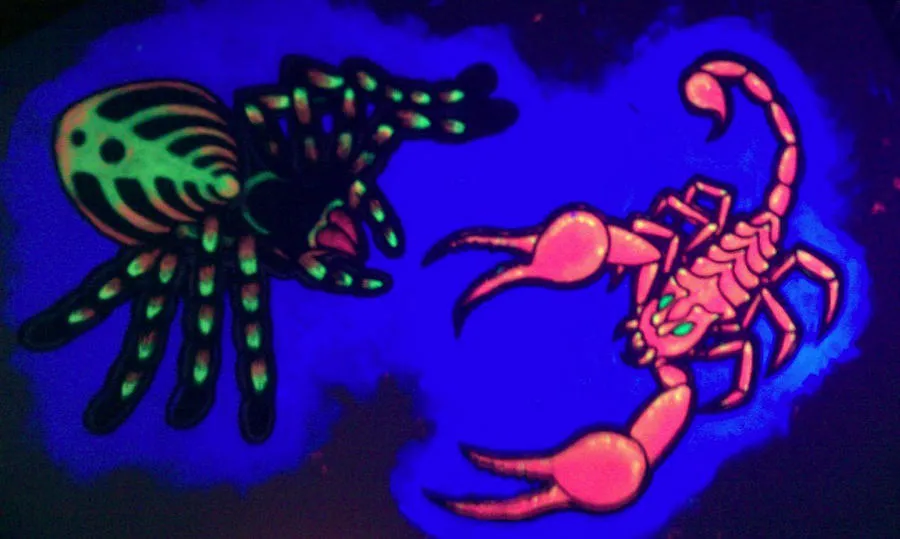
Indian Red Scorpion vs Tarantula The Showdown
The natural world is filled with incredible creatures, and among the most fascinating are the arthropods. This includes the Indian Red Scorpion and the Tarantula, both of which are capable predators that can be found in various habitats across the globe. But when these two face off, which one poses the greater threat? This article delves deep into the characteristics, behaviors, and dangers associated with both creatures, providing a detailed comparison to determine which is more dangerous and why. We will explore their physical attributes, venom potency, survival strategies, and more, offering a comprehensive look at the Indian Red Scorpion versus the Tarantula.
Understanding the Indian Red Scorpion
Habitat and Distribution

The Indian Red Scorpion (Hottentotta tamulus) is a species of scorpion native to parts of the Indian subcontinent. They are primarily found in India, Pakistan, Nepal, and Bangladesh. Their preferred habitats are often found in areas with rocky terrain, under logs, and in burrows, where they can find shelter from the heat of the day. They can adapt to a wide range of climates, including both dry and humid environments, which has contributed to their widespread distribution across the region. Understanding their habitat is crucial for understanding their behavior and potential interactions with humans.
Physical Characteristics
Indian Red Scorpions typically measure around 2 to 3 inches in length. They are characterized by their reddish-brown coloration, which helps them camouflage in their environment. Like all scorpions, they have eight legs, two large pedipalps (claws) used for grasping prey, and a segmented tail ending in a stinger. Their exoskeleton provides them with protection, and their ability to molt allows them to grow. The stinger at the end of their tail is used for injecting venom, a primary defense mechanism.
Venom and Toxicity
The venom of the Indian Red Scorpion is a complex mixture of neurotoxins. Their venom is particularly potent and considered medically significant, especially for children and the elderly. A sting from this scorpion can cause severe pain, swelling, and in some cases, more serious systemic effects such as cardiovascular complications, pulmonary edema, and even death. The severity of the effects depends on the amount of venom injected, the individual’s sensitivity, and the presence of any underlying health conditions. This makes them a serious threat in their native habitats.
Understanding Tarantulas

Types of Tarantulas
Tarantulas are a diverse group of spiders, with over 900 species found worldwide. They vary in size, color, and behavior. Some common types include the Goliath Birdeater, the Chilean Rose Hair Tarantula, and the Mexican Redknee Tarantula. They inhabit a variety of environments, including tropical rainforests, deserts, and grasslands. The differences between these species are quite substantial, affecting their hunting strategies, defensive capabilities, and overall temperament. Knowing the specific species is important when assessing their potential danger.
Physical Attributes and Behavior
Tarantulas are large, hairy spiders, known for their impressive size and imposing appearance. They have eight legs and two chelicerae (fangs) used for biting and injecting venom. Many tarantulas have urticating hairs on their abdomen, which they can flick at predators as a defense mechanism. Their behavior ranges from docile to aggressive, depending on the species and the situation. They are primarily nocturnal hunters, using their eyesight, vibrations, and sensory hairs to detect and capture prey. Their large size and fangs allow them to subdue various insects and even small vertebrates.
Venom Potency and Effects

Tarantula venom is generally not considered lethal to humans, although the bite can be painful. The effects of a tarantula bite can include localized pain, swelling, redness, and itching. Some individuals may experience more severe reactions, such as muscle cramps or nausea. The venom is primarily used to immobilize their prey, rather than as a defense mechanism against large predators. While bites are not typically life-threatening, allergic reactions can occur, necessitating medical attention.
Comparing Dangers
Venom Composition and Effects
The venom composition differs significantly between the Indian Red Scorpion and tarantulas. The scorpion’s venom contains neurotoxins that can cause severe systemic effects, disrupting the nervous system and leading to potentially life-threatening complications. Tarantula venom, on the other hand, is primarily composed of enzymes and toxins designed to immobilize prey. The effects are usually localized and less severe. Understanding the specific toxins present in each venom is key to assessing the potential danger. The difference in venom composition directly affects the severity of the envenomation.
Bite Severity and Risks

The bite severity of the Indian Red Scorpion is far greater than that of a tarantula. Scorpion stings can be intensely painful and can lead to significant medical issues, particularly in vulnerable populations. Tarantula bites, while often painful, rarely require hospitalization. The risks associated with a scorpion sting include cardiac complications, pulmonary edema, and, in rare cases, death. Tarantula bites typically cause localized symptoms and do not present the same level of systemic risk. The significant difference in bite severity places the scorpion at a higher danger level.
Environmental Factors Influencing Danger
Environmental factors such as climate, habitat, and human activity can influence the danger posed by both creatures. The Indian Red Scorpion thrives in warmer climates and can pose a greater threat in areas with high human populations, increasing the chances of encounters. Tarantulas, while present in various environments, are generally less of a threat to humans due to their less potent venom and typically more docile behavior. The presence of antivenom for scorpion stings in some areas can also affect the overall risk, while there’s no specific antivenom for tarantula bites.
Scorpion vs Tarantula Survival Strategies
Hunting Techniques

Indian Red Scorpions are ambush predators, using their claws to grasp and their sting to deliver a venomous blow to immobilize their prey, typically insects and other small invertebrates. They often wait in concealed locations, striking quickly when prey comes within reach. Tarantulas, on the other hand, use a combination of ambush and active hunting. They use their fangs to inject venom and subdue their prey, which may include insects, other spiders, and even small vertebrates. Their hunting techniques vary depending on the specific species.
Defense Mechanisms
The primary defense mechanism of the Indian Red Scorpion is its potent venom. When threatened, the scorpion will sting its attacker, injecting a dose of neurotoxins. Tarantulas have multiple defensive strategies. They can bite and inject venom, flick urticating hairs into the eyes or skin of a potential threat, and adopt a defensive posture. While their venom is less potent, their size and the use of urticating hairs provide an effective deterrent against predators. The scorpion’s venom is a more direct and dangerous defense.
Natural Predators
Both scorpions and tarantulas face natural predators. Scorpions are preyed upon by birds, lizards, and other scorpions, as well as some mammals. Tarantulas are also hunted by birds, lizards, and other larger animals. In many ecosystems, the survival of these creatures is threatened by predators as well as habitat loss. The ongoing interactions between predators and prey shape the ecology of the areas where scorpions and tarantulas exist.
Conclusion Which is More Dangerous?

Based on the factors analyzed, the Indian Red Scorpion is generally considered more dangerous to humans than most tarantulas. The scorpion’s venom is more potent, the sting can be more severe, and the potential for serious health complications is higher. While tarantula bites can be painful, they are rarely life-threatening. It is important to understand the characteristics of both creatures. Precautions should be taken in areas where these arthropods are common. Understanding their behavior and habitats can help to minimize the risk of encountering either creature.