Top 5 Facts about Cobalt Blue Tarantulas Shedding Skin
Cobalt blue tarantulas, known for their striking blue coloration, are fascinating creatures to observe. One of the most intriguing aspects of their biology is the shedding process, also known as molting. This essential behavior allows them to grow, repair injuries, and maintain their overall health. Understanding the intricacies of shedding is crucial for any cobalt blue tarantula owner, as it helps ensure the well-being of these captivating arachnids. This guide provides five key facts to help you understand this amazing process and care for your tarantula.
What is Shedding?
Shedding, or molting, is the process by which tarantulas shed their exoskeleton, the tough, external covering that protects their bodies. Unlike humans, who have internal skeletons, tarantulas have an exoskeleton made of chitin, a complex carbohydrate. This exoskeleton does not grow, so as the tarantula grows, it must shed its old one and replace it with a new, larger one. This process is not only essential for growth but also for regeneration and overall health. Shedding is a vulnerable time for a tarantula, as they are soft and defenseless during the process.
The Exoskeleton of Cobalt Blue Tarantulas

The exoskeleton of a cobalt blue tarantula is a remarkable structure that provides protection, support, and attachment points for muscles. It’s composed primarily of chitin, which gives it its rigidity, and is also waterproof, helping to prevent the tarantula from drying out. The exoskeleton is divided into various segments, allowing for flexibility and movement. The vibrant blue coloration, characteristic of this species, is due to pigments within the exoskeleton. Before shedding, the tarantula creates a new, larger exoskeleton beneath the old one, preparing for the eventual molt. The old exoskeleton is essentially a complete cast of the tarantula’s exterior, including the fangs, spinnerets, and even the lining of the digestive tract.
The Shedding Process
The shedding process is a remarkable feat of biological engineering. It begins with the tarantula creating a new exoskeleton beneath its old one. Then, it absorbs fluids into its body, causing the old exoskeleton to split, usually along the carapace (the top part of the cephalothorax). The tarantula then wriggles and pushes its way out of the old exoskeleton, a process that can take anywhere from a few minutes to several hours, depending on the tarantula’s size and age. The tarantula is extremely vulnerable during this period, as its new exoskeleton is soft and pliable. Once the shedding is complete, the tarantula will remain still while the new exoskeleton hardens. The entire process can take days or even weeks from the initial signs of pre-molt to full hardening.
Why Cobalt Blue Tarantulas Shed
Shedding serves several critical purposes for cobalt blue tarantulas. Primarily, it allows them to grow. Since the exoskeleton doesn’t expand, the tarantula must shed it to increase in size. Beyond growth, shedding also enables tarantulas to repair injuries. If a leg is lost or damaged, it can be regrown during the shedding process. The new exoskeleton provides a clean slate, free from parasites and debris. Shedding also helps in the removal of internal parasites. This process ensures the tarantula’s overall health and vitality.
Growth and Development

The frequency of shedding is directly related to the tarantula’s growth rate. Young tarantulas shed more frequently, sometimes every few months, as they rapidly increase in size. As they mature, the shedding frequency decreases, eventually leveling off to once a year or even less for adult tarantulas. Each shed represents a significant step in their development, allowing them to reach their adult size and reproductive maturity. A healthy diet and proper environmental conditions are essential for supporting healthy growth and successful molts.
Injury and Regeneration
One of the most amazing aspects of shedding is the tarantula’s ability to regenerate lost or damaged limbs. During the shedding process, a new leg, antenna, or pedipalp can grow in place of the lost one. While the new limb may initially be smaller or less developed than the original, it will grow with subsequent molts. This regenerative ability is a crucial survival mechanism for tarantulas in the wild, helping them to escape predators and continue hunting. It is a remarkable testament to the resilience of these creatures.
How Often Do Cobalt Blue Tarantulas Shed?
The shedding frequency of cobalt blue tarantulas varies depending on their age, feeding habits, and environmental conditions. Young tarantulas, or spiderlings, shed most often to facilitate rapid growth. Adults shed much less frequently. Understanding these factors is critical to properly care for your tarantula.
Shedding Frequency Based on Age

As mentioned, age is the primary determinant of shedding frequency. Spiderlings may shed every few months. Subadults (juveniles) shed less frequently, perhaps once or twice a year. Adult cobalt blue tarantulas typically shed once a year, or even less often, depending on the individual. The size of the tarantula also plays a role; larger individuals tend to shed less frequently. The rate of growth slows down as the tarantula reaches adulthood, leading to fewer molts.
Factors Affecting Shedding Frequency
Several factors beyond age can influence shedding frequency. A diet rich in nutrients and regular feeding promotes faster growth and more frequent shedding, particularly in younger tarantulas. Temperature and humidity levels also play a role. Optimal conditions accelerate the shedding process. Stress, such as improper housing or frequent disturbances, can sometimes delay shedding. Overall, a healthy, stable environment will help promote normal shedding cycles.
Signs Your Cobalt Blue Tarantula is About to Shed
Recognizing the signs of an impending molt is essential for providing proper care. Pre-shedding tarantulas often exhibit distinct behaviors and physical changes. Knowing what to look for allows you to prepare appropriately and ensure the tarantula has a safe and stress-free shedding experience. This will reduce the risk of complications during the molt.
Changes in Appearance

One of the most noticeable signs is a change in the tarantula’s appearance. The abdomen may appear darker and more swollen. The exoskeleton may look dull and less vibrant. You might also notice a bald spot on the abdomen, where the hairs (urticating setae) have been rubbed off. The tarantula’s fangs may appear softer and less defined. These visual cues can alert you to an upcoming molt.
Behavioral Changes
Cobalt blue tarantulas often display behavioral changes before shedding. They may become less active, spending more time in their hide or burrow. They may also refuse to eat, which is a common sign. Some tarantulas will seal themselves off in their hide. Other tarantulas will become more restless and irritable. Recognizing these behavioral shifts helps you prepare for the shedding process and avoid disturbing the tarantula unnecessarily.
What to Do During the Shedding Process
Providing the right environment during the shedding process is important for the tarantula’s success. It is important to minimize disturbance and maintain appropriate environmental conditions. Proper care can significantly reduce the risk of complications and ensure a healthy molt. Be patient and allow the tarantula to go through the process undisturbed.
Providing a Safe Environment

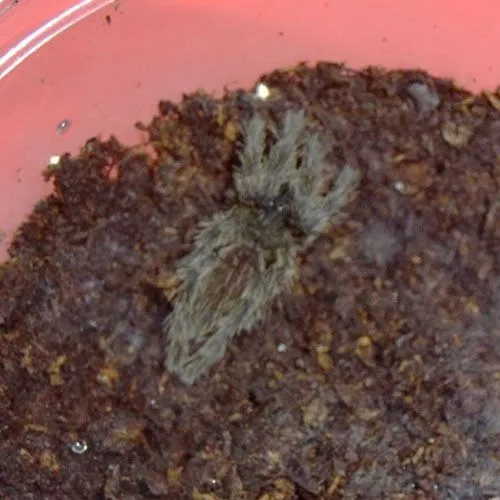
The most important thing you can do is provide a safe and undisturbed environment. Avoid handling or disturbing the tarantula during this vulnerable time. Maintain the proper temperature and humidity levels. Ensure there is a shallow water dish available for hydration. If your tarantula has a tendency to burrow, provide enough substrate for burrowing. Remove any uneaten prey items from the enclosure, as they could potentially harm the tarantula. Create a stress-free environment so that the tarantula can complete the molt without interruption. (Image: A cobalt blue tarantula in a safe environment).
Post-Shedding Care
After shedding, the tarantula will be soft and vulnerable for several days. Avoid feeding it for a week or two, allowing the new exoskeleton to fully harden. Provide fresh water and maintain the appropriate environmental conditions. Observe the tarantula for any signs of difficulty or injury. Once the exoskeleton has hardened, the tarantula will resume its normal activities, including eating and hunting. Patience and observation are key to ensuring a successful outcome.
Conclusion
Shedding is a vital process for cobalt blue tarantulas, enabling growth, regeneration, and overall health. By understanding the shedding process, recognizing the signs of an impending molt, and providing proper care, you can ensure the well-being of your fascinating pet. Appreciating the intricacies of this natural phenomenon enhances the experience of owning and caring for these beautiful and captivating arachnids. Proper knowledge and care allow you to witness and support this amazing process, contributing to the longevity and health of your cobalt blue tarantula.