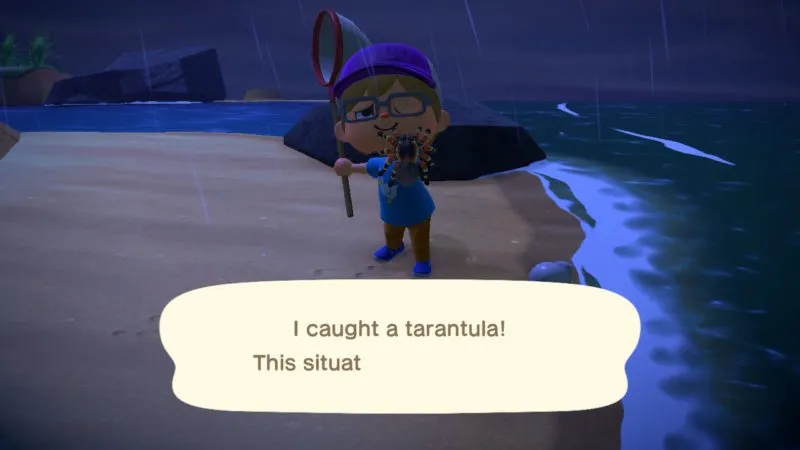
Understanding Tarantula Behavior
Before you embark on your tarantula-catching adventure in Animal Crossing, it’s crucial to understand their behavior. These eight-legged creatures are nocturnal, meaning they only spawn during specific hours of the night. They’re also easily startled and will attack if they feel threatened. This behavior dictates your entire approach to catching them. Knowledge is power when it comes to these critters, understanding their movement patterns, attack range, and the best ways to approach them is the key to a successful hunt. Recognizing the telltale signs of a tarantula’s presence, such as its distinctive silhouette and the sound of its footsteps, will help you prepare and react accordingly. This foundational knowledge will minimize the risk of getting bitten and maximize your chances of capturing these valuable critters.
Tarantula Spawn Times and Locations
Tarantulas in Animal Crossing typically spawn from 7 PM to 4 AM, however, this can vary depending on your hemisphere. They prefer to appear on the ground, often in open spaces. The ideal locations are usually those with a lot of flat land, especially on your own island. They do not spawn in the museum or inside buildings. Therefore, clearing out clutter and creating open spaces significantly increases your chances of encountering them. Be sure to visit mystery islands to change the landscape for tarantulas hunting or visit your friends islands to catch the tarantulas.
Island Selection for Tarantula Hunting

Choosing the right island is half the battle. A flat island with minimal obstacles is ideal for tarantula hunting. Islands with cliffs, rivers, or excessive trees can hinder your movements and make it difficult to navigate safely. Many players transform their own islands to make them tarantula farms. If you are starting out consider visiting mystery islands via Nook Miles Tickets. Look for islands with a single, large open area or islands that are easily cleared of obstacles. This will allow you to spot tarantulas from a distance and maneuver around them more easily. The terrain will have a massive impact on your success, so planning ahead is very important.
Best Tools and Preparations
You’ll need a sturdy net as your primary tool. Make sure to have enough nets prepared, as they will break after extended use. Before heading out on your hunt, clear your inventory. The last thing you want is to be caught with a full inventory when you finally encounter a tarantula. Empty pockets mean more space for catching tarantulas and other valuable items. Also, consider crafting or buying a few extra nets. You might encounter several tarantulas in a single trip, and having backup nets will prevent a hunt from ending prematurely. Finally, wear comfortable clothing. While it doesn’t directly affect gameplay, it certainly enhances the overall experience.
The Importance of a Clear Island Layout
A well-planned island layout is critical for effective tarantula hunting. Remove any unnecessary items, such as flowers, trees, and rocks, to create a wide-open space. This not only helps you spot tarantulas from afar but also gives you room to maneuver and avoid their attacks. If you are planning to make a tarantula farm, you can also build a perimeter to prevent tarantulas from escaping. Having a clean, obstacle-free environment is the most important preparation you can do to increase your catch rate. Invest time in clearing the clutter, and you will see a significant improvement in your hunting efficiency.
Advanced Tarantula Catching Techniques

The Crouching Method
The crouching method is the most effective way to catch tarantulas. Equip your net and slowly approach the tarantula while holding down the A button to crouch. This makes your movements slower and less likely to startle the tarantula. If the tarantula raises its front legs, stop moving immediately and wait for it to lower them. Once it does, cautiously take a step closer. Repeat this process until you are within striking distance. Then, quickly swing your net to catch the tarantula. Mastering the crouching technique takes time and practice, but it’s essential for successful tarantula hunts.
Creating Distance and Maintaining Awareness
Maintaining a safe distance and remaining aware of your surroundings are vital for tarantula hunting. Before approaching a tarantula, assess the environment and identify any potential obstacles or hazards. Keep an eye on the tarantula’s behavior and adjust your approach accordingly. If you see multiple tarantulas, be extra cautious to avoid being caught in a surprise attack. Creating distance is especially important if multiple tarantulas are present. Avoid getting cornered. If you get bitten, you will have to run back to your house.
Dealing With Slopes and Obstacles

Navigating slopes and obstacles can be tricky during tarantula hunts. When approaching a tarantula on a slope, be extra cautious, and make sure to crouch. If a tarantula is near an obstacle, carefully plan your approach to avoid getting cornered or trapped. Always be aware of your surroundings. A little bit of planning can make the difference between a successful catch and a painful bite. Remember to keep a safe distance and be prepared to adjust your strategy based on the terrain.
Avoiding Common Mistakes
Panic Reactions and How to Avoid Them
Panic is your enemy during tarantula hunts. Avoid hasty movements or quick swings of your net. This is often the reason for the tarantula to attack. When you encounter a tarantula, take a deep breath and use the crouching method. Remaining calm and composed will increase your chances of success. Don’t be afraid to pause and reassess the situation. Taking a moment to plan your approach can prevent unnecessary bites and wasted nets. Keep a level head, and you’ll be much more successful in your hunting endeavors.
Ignoring Tarantula Behavior

Ignoring the behavior of the tarantulas is one of the most common mistakes. Always pay attention to the tarantula’s stance and movements. Ignoring these warning signs often leads to bites. This includes not using the crouching method. This will let the tarantula think that you are trying to attack them, and they will attack you. Therefore, before approaching a tarantula, assess its behavior and plan your approach accordingly. Remember, patience and caution are key to a successful tarantula hunt. Respect the tarantula’s space and react to its movements.
Maximizing Your Catch Rate
Optimizing Island Visits
Optimizing your island visits is crucial for maximizing your catch rate. Clear your inventory before you start hunting to make sure that you have enough space. Consider the time of day and the spawn conditions before setting out on your hunt. Always be prepared, and check the weather forecast if you are planning to hunt on an island. If it is raining or snowing, spiders won’t appear. By following these simple tips, you can significantly increase your chances of a successful tarantula hunt.
Selling Tarantulas for Profit

Tarantulas are valuable creatures in Animal Crossing. Each tarantula sells for 8,000 Bells at Nook’s Cranny. If you manage to catch a lot of them, they can become a profitable source of income. You can also sell your tarantulas to Flick, who will buy them for 12,000 Bells. So it is important to be prepared for the hunt, the right tools, and the right strategy. Mastering these techniques will not only help you catch tarantulas but also allow you to earn some extra bells in the process.