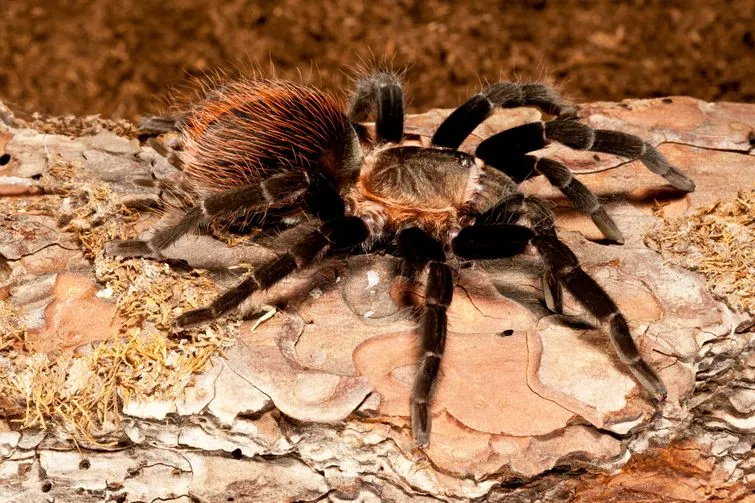
Tarantula as a Pet Amazing Benefits
Considering a tarantula as a pet can be a rewarding experience, offering a unique perspective on the animal kingdom. Unlike conventional pets, tarantulas bring a distinct set of advantages, ranging from their low-maintenance care requirements to the fascinating opportunity to observe their behaviors. This guide explores the top 5 amazing benefits of owning a tarantula, providing a comprehensive view for potential owners. From stress reduction to educational opportunities, discover why a tarantula could be the perfect companion for you. This guide aims to give you all the information you need to be a responsible and happy tarantula owner.
Stress Reduction Owning a Tarantula
One of the most significant benefits of owning a tarantula is the potential for stress reduction. The simple act of observing these creatures can be incredibly calming. Their slow, deliberate movements provide a sense of tranquility. Unlike more demanding pets that require constant attention and interaction, tarantulas are content to be left alone, minimizing the pressure on their owners. The ease of their care, which mostly involves feeding and maintaining their habitat, reduces the potential for stress associated with pet ownership. Watching a tarantula go about its daily activities, from molting to hunting, offers a unique form of relaxation. The minimal demands of tarantula care create a peaceful environment for owners. In addition, their quiet nature helps create a calm atmosphere in the home.
Therapeutic Value of Pet Ownership

The therapeutic value of pet ownership extends to all types of pets, and tarantulas are no exception. Caring for any animal provides a sense of purpose and responsibility, boosting self-esteem and mental well-being. For individuals struggling with anxiety or loneliness, the simple task of providing food and maintaining a tarantula’s habitat can provide a structured routine and a sense of accomplishment. Even though tarantulas do not offer the same level of interaction as dogs or cats, the process of care and observation can be incredibly therapeutic. The knowledge that you are providing a safe and comfortable environment for a living creature can have a positive impact on your mental health, reducing feelings of isolation and promoting a sense of connection.
Educational Opportunity About Tarantulas
Owning a tarantula is a fantastic educational opportunity for both adults and children. These creatures offer a unique window into the world of arachnids, providing insights into their behavior, biology, and habitat requirements. Unlike more common pets, tarantulas open a door to learning about the diversity of life on Earth and the delicate balance of ecosystems. The experience can spark an interest in science, zoology, and conservation. Owning a tarantula encourages research and a deeper understanding of the animal kingdom. The responsibilities of care, like maintaining the correct humidity levels or providing appropriate food, naturally introduce new concepts and ideas to the owners.
Learning About Arachnids
Tarantulas are a gateway to learning about arachnids, a fascinating class of arthropods that includes spiders, scorpions, mites, and ticks. Studying tarantulas allows one to gain a broader understanding of their unique characteristics, such as their exoskeleton, fangs, and venom. Their life cycle, from molting to reproduction, is incredibly intriguing. Owning a tarantula gives you a closer look at arachnid biology and its evolutionary adaptations. The study of arachnids extends to their ecological roles. For instance, how they contribute to ecosystems as predators or prey. Such insights promote a greater appreciation for biodiversity and natural history.
Understanding Ecosystems

Tarantulas and their unique needs provide insight into how ecosystems work. Learning about tarantulas entails understanding the importance of habitat, diet, and environmental conditions for their survival. Replicating these conditions in captivity mirrors the natural environment and highlights the interconnectedness of all living things. Providing an appropriate habitat for a tarantula promotes a deeper understanding of the resources required by animals and the impact of environmental factors on their well-being. Their care provides a practical way to learn about environmental conservation, habitat protection, and the complex interplay between species. This understanding can be extended to appreciate the importance of protecting their natural habitats.
Low Maintenance Pet
One of the most appealing aspects of owning a tarantula is their low-maintenance care requirements. Unlike dogs or cats, tarantulas do not demand daily walks, extensive grooming, or constant attention. Their needs are relatively simple, making them ideal pets for busy individuals or those who prefer a less demanding companion. With minimal demands for care, the time and financial investment needed to own a tarantula is significantly lower compared to other pets. The ease of their care also makes tarantulas a great option for individuals living in apartments or other housing situations where space or noise levels might be a concern. This makes them very suitable for those with allergies or who simply do not want the responsibility of a high-maintenance animal.
Tarantulas’ Minimal Care Needs
The minimal care needs of tarantulas make them an attractive pet choice. They require feeding once or twice a week, depending on their age and size, with a diet primarily consisting of insects. Their habitat needs to be spot-cleaned regularly and completely cleaned every few months. Maintaining the correct temperature and humidity levels is crucial, but this can be achieved using simple tools like a heat lamp and a hygrometer. The simplicity of their care routine enables owners to maintain a balanced lifestyle. It makes them ideal for people who want a pet but don’t have a lot of time. These factors contribute to the low stress nature of owning a tarantula, which enhances their benefits.
Time and Financial Investment

Compared to other pets, tarantulas require a minimal investment of both time and money. The initial cost of the tarantula itself, its enclosure, and essential supplies may vary. However, these expenses are generally lower than those associated with caring for more common pets. The ongoing costs, such as food and substrate, are relatively modest. The time commitment is also minimal. Feeding a tarantula and maintaining its habitat can be accomplished with a few minutes of effort each week. This low level of commitment makes them an attractive choice for those with demanding work schedules or other commitments. The cost-effectiveness and ease of care make them an accessible and affordable pet option.
Unique and Fascinating Companion
Owning a tarantula offers a unique and fascinating experience that differs greatly from other pets. Their exotic nature and distinct behaviors provide a captivating perspective on the animal kingdom. These creatures possess an otherworldly charm, capturing the attention and curiosity of their owners. The experience of observing their molting process, hunting techniques, and intricate web-spinning is both educational and visually stimulating. Their unique qualities make them stand out as pets. They provide a sense of wonder and appreciation for the diversity of life on Earth. They offer a refreshing alternative to the more common pet choices.
Appreciating Tarantula Behavior
Observing tarantula behavior is a source of continuous fascination. Tarantulas exhibit a variety of intriguing behaviors, from the way they construct their webs to the precise movements they use while hunting their prey. Their slow movements and quiet nature provide a sense of calm observation. The opportunity to witness these actions up close is an enriching experience for owners. Learning about the communication and survival strategies of these arachnids enhances appreciation for their complexities. Studying their behavior is a unique and engaging aspect of tarantula ownership. It adds an element of discovery and wonder to the experience.
Diversity of Tarantula Species

The incredible diversity of tarantula species offers a wide range of options for potential owners. From the vibrant colors of the Chilean Rose to the striking patterns of the Gooty Sapphire Ornamental, there is a tarantula to suit every preference. Each species has unique characteristics, including size, temperament, and care requirements. This variety offers the opportunity for owners to explore different aspects of the tarantula world. By researching the various species, owners can select a tarantula that matches their lifestyle. The vast array of options makes it possible to discover the right pet.
Enhancing Your Living Space
Tarantulas can enhance any living space, adding a touch of intrigue and beauty. Their enclosures provide a unique aesthetic appeal, transforming rooms into captivating displays. The visual presence of a tarantula, with its striking appearance and distinct habitat, offers a conversation starter. The presence of a tarantula can create a more engaging and visually interesting environment. Whether placed in a living room, office, or bedroom, the enclosure will enrich the area. The care of a tarantula can also add a relaxing ritual to the owners’ daily lives. It can create a sense of peace and connection with nature.
Tarantula’s Exotic Appeal
The exotic appeal of owning a tarantula is undeniable. Unlike more common pets, tarantulas offer a glimpse into a world rarely seen. This allure extends beyond the visual to the intriguing nature of tarantulas, their complex behaviors, and their ancient lineage. The unusual nature of owning a tarantula will make your home unique. The exotic appeal offers an instant conversation starter and an opportunity to educate others about these incredible creatures. The experience can add a sense of adventure and wonder to the owner’s life. If you are looking for a pet that will bring intrigue, knowledge, and beauty to your life, a tarantula might be the perfect choice.