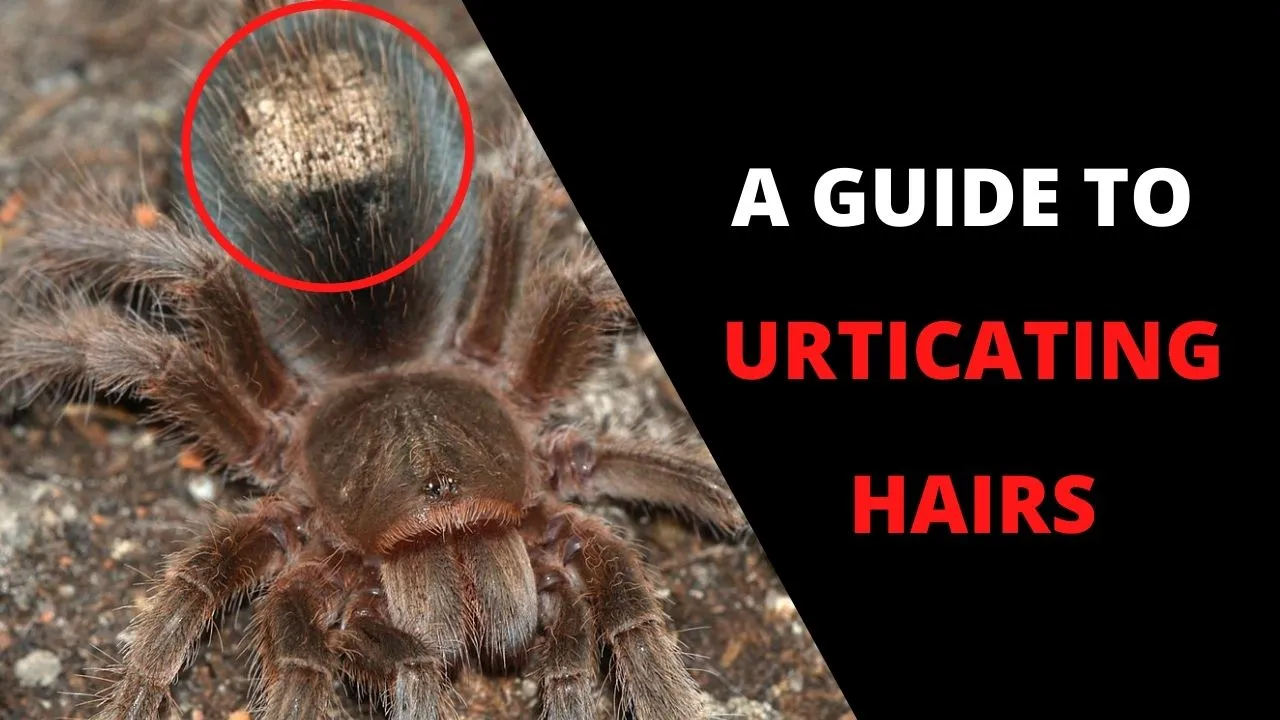
What is a Tarantula Bald Spot?
If you’re a tarantula owner, you might have noticed a bald spot on your pet’s abdomen. This is a common occurrence, and it’s essential to understand what causes it and how to care for your tarantula. A bald spot, often referred to as a denuded area, is typically a patch of skin on the tarantula’s abdomen where the urticating hairs are missing. These hairs are a defense mechanism, and their absence can indicate several things about your tarantula’s health and well-being. Recognizing and understanding the reasons behind a bald spot is key to providing the best care for your arachnid companion. The bald spot itself doesn’t always signal a problem, but its presence can give valuable clues.
Understanding the Abdomen of a Tarantula
The abdomen of a tarantula is a critical part of its anatomy, housing vital organs and playing a crucial role in its survival. This area is where the urticating hairs are located, along with other important features such as the spinnerets, which are used to produce silk. Understanding the anatomy of the abdomen helps in diagnosing potential problems. The abdomen’s surface is covered in hairs, except for areas where they are naturally absent or have been lost. These hairs help with sensory input and provide a protective layer. Changes to this area can often signal underlying issues, making regular observation a must for responsible tarantula ownership. Careful observation can catch potential problems early.
What causes a bald spot?

A tarantula bald spot can be caused by several factors, ranging from natural processes to environmental conditions and even health issues. The most common reasons include molting, defense mechanisms, injuries, environmental conditions, and parasites. Each cause has its own set of implications and requires different approaches to care. Knowing the underlying cause is important for proper treatment and ensuring the tarantula’s well-being. Recognizing the specific cause can help to alleviate the tarantula from further issues and prevent them from getting worse. Observation, along with knowledge, is important in this process.
Molting Process and its Impact
Molting is a natural process where tarantulas shed their exoskeleton to grow. This process often results in hair loss, leading to bald spots. During molting, the tarantula’s skin becomes vulnerable, and the old exoskeleton is shed, along with any attached hairs. After molting, the bald spot may be more noticeable until new hairs grow back. Understanding the molting cycle can help owners anticipate and manage this natural phenomenon effectively. The frequency of molting varies depending on the tarantula’s age and species, so it is important to be aware of this.
The Mechanics of Molting
The molting process involves the tarantula creating a new exoskeleton beneath its existing one. As the new exoskeleton forms, the old one splits open, and the tarantula emerges. During this time, the tarantula is extremely vulnerable and may lose hairs in the process. The entire process can take several hours or even days, depending on the size and age of the tarantula. After molting, the tarantula will be soft and defenseless, so it’s crucial to avoid handling it until its new exoskeleton hardens. During this time, they are very vulnerable to injury.
Hair Loss During Molting

Hair loss is common during molting because the old exoskeleton, including the hairs, is shed. Some of the hairs may come off during the process, and this can leave a bald spot. The amount of hair loss can vary, and it might be more noticeable in older tarantulas or those that molt more frequently. This hair loss is typically temporary, and the hairs will regrow with the next molt. Providing a stress-free environment and maintaining proper humidity levels can help to support a successful molt and hair regrowth. Maintaining the right environment will assist with this process.
The Role of Urticating Hairs Defense
Tarantulas use urticating hairs as a defense mechanism against predators. These hairs are barbed and cause irritation when they come into contact with skin or mucous membranes. The tarantula will kick or flick these hairs towards a potential threat, causing discomfort. This is a natural behavior, and it can result in bald spots. The urticating hairs are a key part of the tarantula’s defense, helping it to survive in the wild. This behavior is more common in certain species. Therefore, learning about the urticating hairs is important.
How Tarantulas Use Urticating Hairs
Tarantulas use their legs to kick urticating hairs off their abdomen, directing them towards a perceived threat. This behavior is a primary defense mechanism, and it’s often triggered by a sudden movement or perceived danger. The direction and force of the kick can vary. When the hairs make contact, they embed themselves in the target’s skin, causing itching and irritation. This can deter predators or other threats. The hairs are highly irritating to both humans and other animals, making the tarantula a formidable opponent. They are an amazing defense mechanism.
Types of Urticating Hairs and their Effects

Different tarantula species have different types of urticating hairs, each with varying levels of irritation. Some hairs are more potent than others, causing more significant reactions. Exposure to these hairs can result in itchy skin, eye irritation, and respiratory problems. The effects can last for several hours or even days, depending on the severity of the exposure. Therefore, it’s crucial to handle tarantulas with care and avoid direct contact with the hairs. Thoroughly wash any exposed areas with soap and water to minimize irritation. The reaction can vary from person to person.
Reason 1: Molting and Hair Loss
During molting, a tarantula sheds its exoskeleton, which includes the hairs on its abdomen. The new exoskeleton forms underneath the old one, and when the tarantula molts, the old exoskeleton is shed, along with the hairs. This can result in a bald spot, especially if the tarantula kicks hairs during the molting process. The hair will regrow after the molt, but it can take several weeks or even months. Providing a suitable environment and avoiding any disturbance during molting can minimize hair loss. This is a natural process, and the bald spot is typically temporary.
Reason 2: Urticating Hairs Defense
Tarantulas use their urticating hairs as a defense mechanism, kicking them off their abdomen towards perceived threats. This defensive behavior can lead to bald spots as the hairs are dislodged. The size and shape of the bald spot can vary, depending on how frequently the tarantula kicks hairs. The bald spot may be more pronounced in species that are more prone to kicking hairs. This is a natural behavior, and it is essential to avoid actions that might trigger this defensive response. Be careful around your pet.
Reason 3: Injury and Physical Damage

Injuries can also cause bald spots. If a tarantula is injured, it may lose hairs in the damaged area. These injuries can result from falls, bites from other insects, or accidental damage. The severity of the injury and the resulting bald spot can vary. Providing a safe environment with appropriate substrate and avoiding potential hazards is essential to prevent injuries. Prompt treatment is necessary to prevent any infection and promote healing. Examine your pet to see if any treatment is necessary.
Common Injuries in Tarantulas
Common injuries in tarantulas include abrasions, cuts, and damage to the exoskeleton. These injuries can occur from falls, sharp objects in the enclosure, or attacks from prey. The abdomen is a particularly vulnerable area, and injuries to this region can cause hair loss and bald spots. Preventative measures, such as providing a safe environment and using appropriate substrate, can help to prevent these injuries. Monitor your tarantula regularly for any signs of injury. Addressing any injuries promptly is important to prevent infection and promote healing. Always contact an expert if you are unsure.
Treating Injuries
If your tarantula has a bald spot caused by an injury, it’s important to address it promptly. Minor injuries may heal on their own, but more serious injuries may require veterinary care. Keep the enclosure clean to prevent infection. Ensure proper humidity levels to aid in healing. Avoid handling the tarantula unnecessarily to prevent further injury or stress. If the injury seems severe, or if there are any signs of infection, seek veterinary advice immediately. Early intervention can improve the chances of successful healing.
Reason 4: Environmental Factors and Care

Environmental factors can also affect the appearance of a tarantula’s abdomen. Improper humidity levels and substrate can contribute to hair loss. Providing an appropriate habitat is essential for your tarantula’s health. Ensuring the right conditions can help minimize the chance of bald spots. Regular maintenance and monitoring are key to maintaining a healthy environment. You need to create a stable and healthy environment.
Substrate and Humidity
The substrate, or bedding, in a tarantula’s enclosure should be appropriate for its species. Using the right substrate can help maintain humidity levels and provide a comfortable environment. Incorrect substrate can cause skin irritation and hair loss, resulting in bald spots. Maintaining the right humidity level is also essential. If the enclosure is too dry, the tarantula may have difficulty molting, which can lead to hair loss and other health problems. It is important to know the environment of your pet’s natural habitat.
Impact of Poor Conditions
Poor environmental conditions, such as excessive dryness or poor ventilation, can contribute to hair loss and bald spots. These conditions can stress the tarantula, making it more likely to kick hairs or experience issues during molting. Regularly check the enclosure to ensure that the substrate is appropriate, humidity levels are correct, and the enclosure is well-ventilated. Making the required adjustments to environmental conditions can help to prevent bald spots and promote overall health. You can prevent issues by creating the right environment.
Reason 5: Parasites and Diseases

Parasites and diseases can cause hair loss and bald spots. Mites, fungal infections, and other health issues can affect a tarantula’s health and appearance. Recognizing the signs of these problems and seeking veterinary help is essential to ensure the tarantula’s well-being. These conditions can be serious, and early detection and treatment are critical. Regular observation and appropriate care can minimize the risks. This will assist in the well-being of your pet.
Recognizing Parasites
Common parasites that can affect tarantulas include mites. These parasites can cause irritation, leading the tarantula to kick hairs and develop bald spots. Other signs of a parasite infestation include small, moving dots on the tarantula’s body, lethargy, and changes in behavior. If you suspect a parasite infestation, consult a veterinarian immediately. Early detection is critical for successful treatment and preventing further complications. You can also do regular cleaning to prevent this.
Seeking Veterinary Help
If you are concerned about your tarantula’s health, it’s crucial to seek veterinary assistance. A qualified veterinarian can diagnose and treat any underlying health issues that may be causing hair loss or bald spots. They can perform a thorough examination, run tests, and recommend appropriate treatments. The veterinarian can help you identify the cause and provide guidance on how to care for your tarantula. Always seek professional help when dealing with medical conditions.
How to Care for a Tarantula with a Bald Spot

Caring for a tarantula with a bald spot involves addressing the underlying cause, if possible, and providing proper care to support its health and well-being. The specific actions you should take will depend on the reason for the bald spot. However, there are some general guidelines to follow. You need to provide a suitable environment, and maintaining good hygiene in the enclosure is important. Addressing the root cause will often lead to improvement. Remember, understanding is important.
Maintaining Proper Habitat
Maintaining a proper habitat is crucial for the health and well-being of your tarantula. Ensure that the enclosure is the correct size for the species and provides a suitable environment. Regulate the temperature and humidity levels to match the tarantula’s natural habitat. Provide appropriate substrate, hiding places, and a water source. A clean and well-maintained enclosure can help prevent injuries, reduce stress, and promote successful molting. This environment will assist in preventing issues.
When to Consult a Veterinarian
If you notice a bald spot on your tarantula, it’s essential to monitor its health and behavior. If the bald spot is accompanied by other symptoms, such as lethargy, loss of appetite, or changes in behavior, consult a veterinarian. Seek veterinary care if you suspect an injury, parasite infestation, or disease. Early intervention can improve the chances of successful treatment. Your veterinarian will be able to determine the cause and provide the best course of action. Do not hesitate to consult an expert if you have any concerns about the health of your pet.