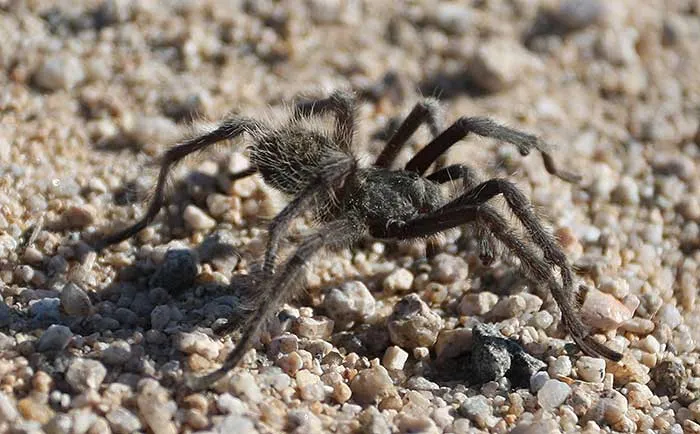
Encountering a tarantula can be a fascinating experience, but it’s crucial to understand the potential risks, particularly the threat of a tarantula bite. While tarantula bites are rarely life-threatening to humans, they can be painful and cause various unpleasant symptoms. This comprehensive guide provides essential information on how to treat tarantula bites, offering immediate first aid steps, medical advice, and preventive measures to ensure your safety and well-being. Understanding the nature of these bites, recognizing symptoms, and knowing the appropriate response can significantly minimize the impact and ensure a swift recovery. Whether you are a tarantula enthusiast, a pet owner, or simply curious, this guide equips you with the knowledge to handle tarantula bites effectively.
What are Tarantula Bites?
Tarantulas, despite their fearsome reputation, are generally not aggressive and tend to bite only when provoked or threatened. Their fangs, while capable of penetrating human skin, are primarily used for injecting venom to subdue prey. The venom itself is not highly toxic to humans, but the bite can still be painful due to the mechanical injury from the fangs and the introduction of venom. The severity of the bite can vary depending on the tarantula species, the amount of venom injected, and the individual’s sensitivity. It is essential to distinguish between a tarantula bite and other spider bites or insect stings, as the treatment approaches may differ. The bite usually leaves two puncture marks from the fangs. Understanding this basic information is the foundation of knowing how to treat the bites properly. Image: A close-up shot of tarantula fangs and bite marks on human skin.
Identifying Tarantula Bites Symptoms
Recognizing the symptoms of a tarantula bite is crucial for prompt and effective treatment. The symptoms can vary from mild to moderate. Common symptoms include immediate pain at the bite site, similar to a bee sting, and localized swelling. Redness and inflammation around the bite area are also typical. Other symptoms may include itching, muscle cramps, and mild fever. In some cases, individuals may experience nausea, vomiting, or dizziness. It is important to monitor the affected area for any signs of infection, such as increased pain, pus, or fever. Prompt identification of symptoms allows for immediate action to minimize discomfort and prevent complications. If the symptoms become severe or systemic (affecting the whole body), it is essential to seek immediate medical attention to get a proper diagnosis. Image: Comparison of symptoms of different spider bites and tarantula.
Immediate First Aid for Tarantula Bites

Immediate first aid can significantly reduce the impact of a tarantula bite. The first step is to stay calm and move away from the tarantula to avoid further bites. Gently clean the bite area with mild soap and water to remove any potential contaminants. Applying a cold compress or ice pack to the bite site can help reduce pain, swelling, and inflammation. Elevating the affected limb can also help to minimize swelling. It is crucial to avoid scratching the bite, as this can increase the risk of infection. If possible, identify the tarantula species, as this information can be helpful for medical professionals. Observe the symptoms and seek medical attention if the symptoms worsen or become severe. These immediate steps are crucial to limit the impact and help with healing.
Cleaning the Bite Area
Cleaning the bite area is a critical step in preventing infection. Gently wash the bite with mild soap and water, ensuring all dirt and debris are removed. Avoid using harsh chemicals or antiseptic solutions, as these can irritate the skin. After washing, gently pat the area dry with a clean towel. Apply a clean, dry bandage to protect the bite from further contamination. Regularly check the bite for signs of infection, such as increased redness, swelling, pus, or warmth. If any signs of infection are present, seek medical attention immediately. Proper cleaning and care of the bite site are essential to promote healing and prevent complications. A visual image or video demonstrating how to clean the bite area. The image should include soap, water, and bandages.
Reducing Pain and Swelling
There are several methods to alleviate pain and reduce swelling associated with a tarantula bite. Over-the-counter pain relievers, such as ibuprofen or acetaminophen, can help manage the pain. Applying a cold compress or ice pack to the bite site for 15-20 minutes at a time, several times a day, can reduce swelling and inflammation. Elevating the affected limb above the heart level can also help minimize swelling. Avoid scratching the bite, as this can worsen the irritation and increase the risk of infection. If the pain and swelling are severe, consult a doctor or healthcare provider for further treatment options. They may recommend prescription medications or other interventions to help manage the symptoms effectively. An image that shows how to use a cold compress.
Medical Treatment When to Seek Professional Help

In most cases, a tarantula bite can be managed at home with first aid measures. However, it is important to know when to seek professional medical help. If the symptoms worsen, such as increased pain, swelling, or signs of infection (pus, fever), consult a doctor immediately. If you experience severe symptoms like difficulty breathing, chest pain, or severe allergic reactions (anaphylaxis), call emergency services. Individuals with pre-existing health conditions or allergies should also seek medical advice. A healthcare professional can provide appropriate treatment, such as antibiotics for infection or medications to manage allergic reactions. Do not hesitate to seek medical attention if you are concerned about the bite or your symptoms. An image of a doctor examining a tarantula bite victim.
Allergic Reactions and Anaphylaxis
Although rare, some individuals may experience allergic reactions to tarantula bites. Symptoms of an allergic reaction can range from mild to severe. Mild reactions may include skin rash, itching, and hives. More severe reactions, known as anaphylaxis, can be life-threatening and require immediate medical attention. Symptoms of anaphylaxis include difficulty breathing, swelling of the throat or face, dizziness, and loss of consciousness. If you or someone you know experiences these symptoms after a tarantula bite, call emergency services immediately. Administer an epinephrine auto-injector (EpiPen) if available and if the person is known to have allergies. Medical professionals can provide necessary treatment to counteract the allergic reaction and stabilize the affected individual. An image of a person using an EpiPen.
Preventing Tarantula Bites Safety Tips
Preventing tarantula bites involves taking precautions to minimize the risk of encounters and bites. If you encounter a tarantula in the wild, maintain a safe distance and avoid provoking it. Do not attempt to handle or touch tarantulas unless you are a trained professional or have experience in handling them. When handling tarantulas, use appropriate protective gear, such as gloves and long sleeves, to protect your skin from potential bites or urticating hairs. Ensure that tarantulas kept as pets are housed in secure enclosures and that the enclosures are properly maintained to prevent escapes. Educate yourself and others on tarantula behavior and safety measures. By following these safety tips, you can reduce the risk of tarantula bites and ensure a safe experience with these fascinating creatures. An image showing protective gear for handling tarantulas.
Handling Tarantulas Safely

If you choose to handle a tarantula, it is crucial to do so safely. Always approach the tarantula calmly and avoid sudden movements. Before handling, ensure that the tarantula is in a relaxed state and not exhibiting defensive behaviors. Use appropriate handling tools, such as a soft brush or a container, to gently guide the tarantula. Avoid touching the tarantula directly with your bare hands. Wear protective gear, such as thick gloves, to protect your skin from bites and urticating hairs. Handle the tarantula over a soft surface or close to the ground to minimize the risk of injury if it falls. After handling, thoroughly wash your hands with soap and water. Be mindful of the tarantula’s temperament and body language, and be prepared to stop handling if it shows signs of stress or aggression. An image showing a person using gloves to hold a tarantula carefully.
Understanding Tarantula Behavior
Understanding tarantula behavior can help you predict their reactions and avoid being bitten. Tarantulas are generally nocturnal creatures and prefer to hide in burrows or under cover during the day. They are most likely to bite when they feel threatened or provoked. Learn to recognize signs of stress or aggression, such as raised front legs, a defensive posture, or stridulation (a hissing sound). Avoid sudden movements or loud noises around tarantulas, as these can startle them. Observe the tarantula’s behavior and body language to determine its mood and avoid actions that may provoke it. Understanding their behavior helps in safe interaction. A graphic showing tarantula body language.
Debunking Myths About Tarantula Bites
There are many myths and misconceptions surrounding tarantula bites. One common myth is that all tarantula bites are extremely venomous and deadly. In reality, tarantula venom is generally not highly toxic to humans. Another myth is that tarantulas actively hunt and attack people. Tarantulas are generally not aggressive and tend to bite only when provoked. Debunking these myths can help reduce fear and anxiety about tarantula bites. Separating fact from fiction is crucial for accurate understanding. By dispelling these myths, you can approach tarantulas with a more informed and balanced perspective. An infographic that shows common tarantula bite myths and facts.
In conclusion, understanding how to treat tarantula bites is crucial for anyone who may encounter these fascinating creatures. By knowing the symptoms, the immediate first aid steps, and when to seek medical attention, you can minimize the impact of a tarantula bite and promote a swift recovery. Remember to practice prevention, handle tarantulas safely if you choose to, and debunk any myths about their bites. With knowledge and caution, you can appreciate tarantulas while staying safe and well-informed.