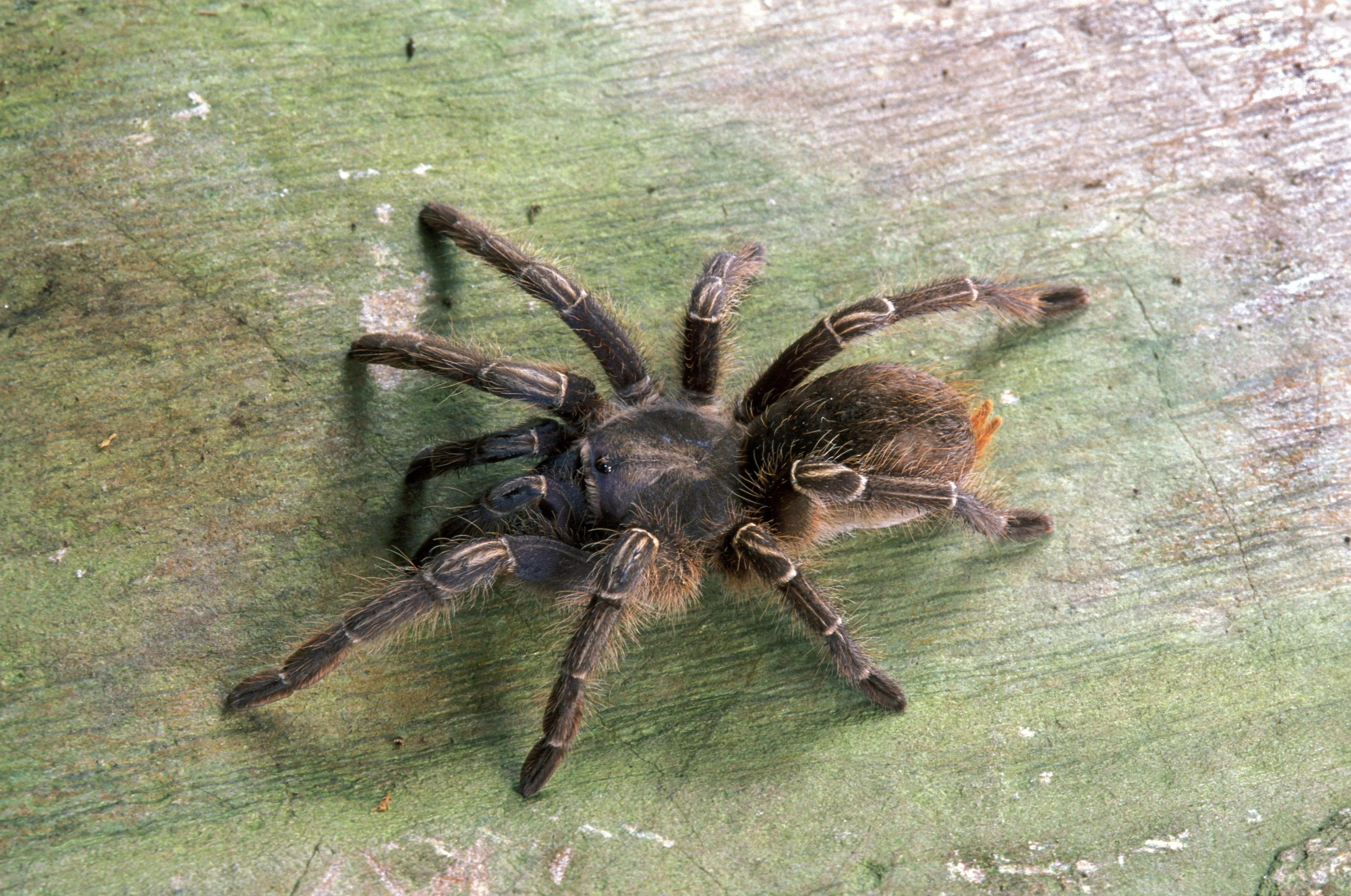
Why Choose a Tarantula as a Class Pet
Considering a unique class pet that will spark curiosity and provide valuable learning opportunities is an exciting prospect. While traditional class pets like hamsters or fish are common, a tarantula offers a different perspective on the animal kingdom, encouraging students to explore the world of arachnids. This article delves into the top 5 benefits of having a tarantula as a class pet, providing insights into the educational, practical, and emotional advantages it can bring to the classroom. Choosing a tarantula is about fostering respect for nature, learning about responsibility, and cultivating a sense of wonder in young minds. Lets explore why a tarantula can be an excellent addition to your classroom community.
Educational Value of Tarantulas
Tarantulas, as class pets, provide an unparalleled opportunity for hands-on learning about the natural world. They offer a tangible connection to a realm of science often explored only in books. The presence of a tarantula in the classroom fosters a deeper understanding of biology, ecosystems, and animal behavior. Students are introduced to a different kind of creature and learn about its life cycle, the role it plays in its environment, and the challenges it faces. Moreover, tarantulas can be integrated into various subjects, from science and math to art and language arts, creating a well-rounded and immersive educational experience. Observing the tarantula feeding, molting, and moving around the enclosure, students will engage in scientific inquiry and develop critical thinking skills, ultimately contributing to a more comprehensive understanding of the animal kingdom.
Learning about Arachnids

Arachnids are a fascinating class of animals, and having a tarantula offers an opportunity to study their unique characteristics. Students can learn about their eight legs, two body segments (cephalothorax and abdomen), and the process of molting. This can be connected to understanding the broader phylum Arthropoda and comparing them with insects and other related species. This provides a great opportunity to discuss the different types of spiders, their habitats, and their roles in the ecosystem. Understanding the life cycle of a tarantula also provides insight into other animals. Observing the differences between males and females and their mating rituals will engage students and make learning fun. This will help to remove some of the common misconceptions about spiders in general.
Responsibility and Care
Caring for a tarantula instills a sense of responsibility in students. Unlike many other class pets, tarantulas are relatively low-maintenance. However, the required care teaches children about planning, keeping schedules, and the importance of consistency. Students will learn how to monitor the tarantula’s habitat, ensure that it is kept clean and at the right temperature, and feed the tarantula regularly. These tasks provide valuable lessons in commitment and the importance of looking after another living being. Creating a feeding schedule, maintaining the enclosure’s conditions, and observing the tarantula’s health encourage students to develop practical skills and understand the significance of their actions.
Unique and Engaging Experience
A tarantula’s presence creates a unique and engaging learning environment. It deviates from the norm, providing a captivating subject that sparks curiosity and encourages students to explore a new subject. The unusual nature of the tarantula often generates discussions, questions, and research initiatives, transforming the classroom into a hub of exploration. This unusual experience is great for creative projects such as drawings, poems, and stories. Tarantulas can inspire creative writing prompts, art projects, and science experiments, turning a classroom into an interactive learning hub. The novelty of the tarantula captivates students and adds a sense of excitement to the learning process, which motivates and engages them more.
Overcoming Fear and Building Confidence

For some students, the initial reaction to a tarantula might be fear or apprehension. However, with proper education and guidance, a class pet tarantula can provide an excellent opportunity to confront and overcome these fears. Learning about tarantulas, their behavior, and their needs helps demystify them. By approaching them with knowledge and respect, students can replace fear with fascination and curiosity. Witnessing the tarantula in its enclosure, slowly getting comfortable, and learning how it behaves can build confidence. Students can also overcome their fear by taking small steps, such as observing the tarantula during feedings or helping to maintain its habitat. This creates a supportive environment where students can overcome personal challenges and build confidence.
Promoting Respect for Nature
Tarantulas can serve as ambassadors for the often-misunderstood world of arachnids and other animals. This can teach the students about the interconnectedness of life. It encourages them to appreciate creatures they might typically shy away from. Learning about a tarantula’s role in its ecosystem and the importance of its survival fosters a deeper appreciation for nature and its delicate balance. By studying the tarantula’s habitat, diet, and behaviors, students come to understand its place in the natural world and realize that every creature, no matter how small or unusual, plays an essential part. This will help promote empathy and respect for all living beings, which will encourage students to become responsible stewards of the environment.
Low Maintenance and Cost-Effective
Compared to other popular class pets, tarantulas are generally low-maintenance and cost-effective. They don’t require daily attention or extensive care, which makes them a practical choice for busy classrooms. Their simple dietary needs are also a great advantage. A tarantula’s diet typically consists of insects, which are relatively inexpensive and easy to source. This significantly reduces the burden of providing a class pet and allows for more focus on the educational aspects of their care. The lower maintenance requirements of a tarantula help to minimize disruption in the classroom while still allowing students to learn and grow with the animal.
Easy to Care For

Tarantulas are solitary creatures that typically require minimal daily care. Their primary needs are a clean habitat, fresh water, and occasional feeding. This straightforward care routine makes it possible for students to assume responsibility without requiring excessive time or resources. Proper setup for a tarantula enclosure requires a terrarium of appropriate size, substrate for burrowing, a water dish, and hiding places. Feeding the tarantula once or twice a week with insects and removing any uneaten food are simple but important tasks. Easy-to-follow care instructions can be developed, allowing students to gain experience in managing the needs of another living thing without placing them under too much pressure.
Cost Considerations
The initial costs of acquiring a tarantula, including the enclosure and substrate, are generally affordable. The long-term maintenance costs, such as food and minor supplies, are minimal compared to those of more demanding class pets. For example, insects for feeding are reasonably priced and easily acquired from pet stores or online vendors. The long life span of tarantulas can also make them a wise investment. Although the initial investment is small, there will still be small costs like the occasional purchase of new substrate. In addition, the tarantula’s longevity ensures a consistent learning opportunity for multiple years. Overall, tarantulas represent a budget-friendly option that offers substantial educational value without placing an excessive financial burden on schools or teachers.
Addressing Common Concerns
While the benefits of a tarantula as a class pet are numerous, it’s important to address the common concerns that may arise. This section discusses the potential risks and challenges associated with tarantulas and provides practical guidelines for minimizing them, ensuring a safe and enriching experience for both students and the tarantula. Addressing these concerns proactively fosters a more informed and confident approach to integrating a tarantula into the classroom.
Safety and Handling

Safety is a primary concern when it comes to tarantulas. Although not typically aggressive, tarantulas can bite if they feel threatened. Proper handling should be performed by the teacher or designated adults only. Students should observe the tarantula in its enclosure rather than handling it. Clear instructions on how to interact with the tarantula must be provided. This can include explaining the tarantula’s behaviors and when it is best to leave it alone. When handled, this should be done carefully and with the proper safety equipment. A calm, quiet environment is essential for handling the tarantula, and students should be instructed to avoid sudden movements or loud noises that could frighten the animal. Hand washing before and after any contact with the habitat is critical, and any bites or contact with urticating hairs should be promptly addressed.
Allergies and Health Considerations
Some individuals may have allergies to insects or the hairs of tarantulas, known as urticating hairs. Before introducing a tarantula to the classroom, it is important to check for allergies with both students and staff. This includes making sure students and staff are aware of the signs of an allergic reaction, such as skin irritation, respiratory issues, or eye swelling. Proper ventilation in the classroom is also essential to minimize any potential allergic reactions. It is important to set up protocols for handling and cleaning to reduce exposure to allergens. Any potential allergens must be managed effectively so all students can enjoy the presence of the tarantula without worry. If any concerns or allergic reactions arise, consulting with a healthcare professional is always advisable.
Proper Habitat and Enrichment
Creating an appropriate habitat is essential for the tarantula’s well-being and for a positive learning experience. The habitat should replicate the tarantula’s natural environment as closely as possible, providing appropriate temperature, humidity, and hiding places. A well-designed habitat not only supports the tarantula’s health but also allows students to observe its natural behaviors. Adding enrichment activities to the enclosure enhances the learning experience, making the classroom a welcoming and educational environment for both students and their eight-legged friend.
Creating a Suitable Environment

A suitable tarantula habitat must meet specific requirements for the tarantula’s survival. A well-ventilated terrarium of the appropriate size is essential. The size of the enclosure should be based on the tarantula’s size. The terrarium must include a substrate, such as coconut fiber or peat moss. This not only allows the tarantula to burrow but also helps to maintain appropriate humidity levels. A shallow water dish should be readily available. Temperature and humidity should be closely monitored using a thermometer and hygrometer. This ensures that the tarantula’s needs are constantly met. Adding artificial or natural decorations, such as plants and hides, will provide the tarantula with a sense of security and offer a more natural environment for observation.
Enrichment Activities
Enrichment activities can enhance the tarantula’s well-being and provide engaging learning experiences. This can include providing different types of insects for feeding, varying the placement of the water dish, and introducing new items into the enclosure. These changes can stimulate the tarantula and make it more active, allowing students to observe natural behaviors. Students can participate in enrichment tasks by helping with the preparation of the habitat or documenting the tarantula’s activities. Simple activities such as offering the tarantula different hiding spots can foster greater engagement. This will encourage students to develop a deeper understanding of the tarantula’s behaviors and needs.
Conclusion
In conclusion, introducing a tarantula as a class pet can offer a wide range of benefits. These benefits include educational advantages, the promotion of responsibility, and the creation of a unique learning experience. The low maintenance requirements and cost-effectiveness of a tarantula, combined with its potential to instill respect for nature and overcome fears, make it an ideal choice for many classrooms. By addressing any safety concerns and providing a well-designed habitat with enriching activities, teachers can ensure that the tarantula enriches the learning environment. A tarantula can be an exceptional classroom addition, providing an engaging, educational, and enriching experience for students of all ages.