What Makes Ants a Threat to Tarantulas
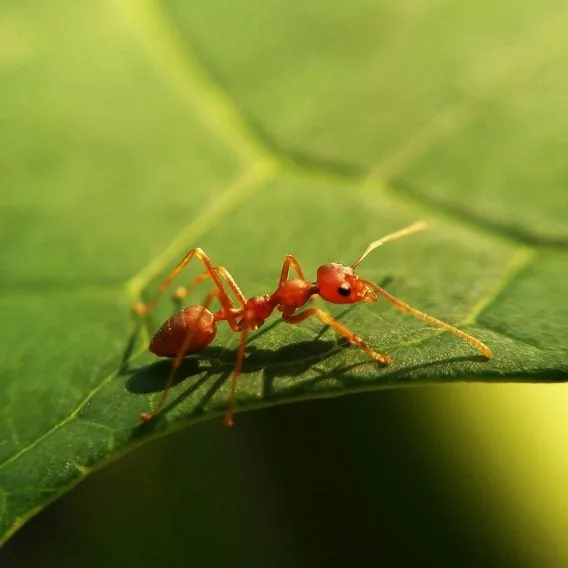
Tarantulas, with their impressive size and fearsome appearance, are often seen as the kings and queens of the arachnid world. However, these fascinating creatures face a surprisingly persistent threat from a tiny adversary ants. These seemingly insignificant insects pose a significant danger to tarantulas, particularly in their natural habitats and even in captivity. The reasons for this threat are multifaceted, ranging from the ants’ sheer numbers and aggressive behavior to the potential for venomous bites and the disruption of the tarantula’s delicate ecosystem. Understanding the nature of this threat is crucial for both tarantula owners and anyone interested in the survival of these captivating spiders. The constant vigilance of tarantula owners is essential to ensure the health and well-being of their pets.
Size and Strength Disadvantage
While a single ant may not be a match for a tarantula, the danger lies in the sheer number of ants that can swarm a tarantula. Ants often operate in colonies, and a coordinated attack by numerous ants can overwhelm a tarantula, especially if the spider is newly molted or otherwise weakened. The tarantula’s size, while impressive, does not always guarantee safety. Smaller tarantula species or juvenile tarantulas are particularly vulnerable. A large group of ants can effectively swarm a tarantula, biting and stinging it repeatedly, which can lead to stress, injury, or even death. The ants’ relentless persistence and coordinated attacks exploit the tarantula’s vulnerabilities, demonstrating that size is not always the deciding factor in a confrontation. The tarantula’s exoskeleton, while protective, is not impenetrable to a concerted ant attack.
Ant Venom and Its Effects

Many ant species possess venom that they inject into their prey or attackers. This venom can cause various effects on the tarantula, ranging from localized pain and irritation to more severe consequences. The venom’s composition varies depending on the ant species, but it often contains toxins that can disrupt the nervous system, cause paralysis, or induce allergic reactions in the tarantula. Even if the venom doesn’t directly kill the tarantula, it can weaken it, making it more susceptible to other threats or infections. The bite of an ant, while small, can introduce bacteria or other pathogens into the tarantula’s body, potentially leading to serious health complications. Understanding the effects of ant venom is vital for assessing the potential dangers these insects pose to tarantulas.
Specific Ant Species Danger
Certain ant species are particularly dangerous to tarantulas due to their aggressive behavior, potent venom, or tendency to invade tarantula habitats. These ants can pose a significant threat, requiring careful management and preventative measures to protect the spiders. Identifying these species is essential for tarantula owners, as it allows for targeted pest control and increased vigilance. The presence of these aggressive ant species can quickly turn a tarantula’s environment into a hazardous zone, emphasizing the need for proactive protection.
Fire Ants
Fire ants are notorious for their painful stings and aggressive nature. Their venom contains alkaloids that cause a burning sensation and can trigger allergic reactions in both humans and animals. Fire ants often attack in swarms, and their relentless biting and stinging can quickly overwhelm a tarantula. The venom can cause significant distress, weakening the tarantula and potentially leading to secondary infections. In areas where fire ants are prevalent, tarantula owners must take extra precautions to protect their spiders from these aggressive pests. This includes regularly inspecting the enclosure and surrounding areas for ant activity and implementing preventative measures, such as ant baits or physical barriers.
Army Ants

Army ants are nomadic predators known for their massive colonies and relentless hunting behavior. These ants move in large swarms, devouring everything in their path. Their powerful mandibles and aggressive nature make them a formidable threat to any creature that crosses their path, including tarantulas. An encounter with an army ant swarm can be fatal for a tarantula, as the ants will relentlessly attack, overwhelming the spider with their sheer numbers and aggressive bites. Army ants are a significant danger in the tarantula’s natural habitats, and even in captivity, they can pose a serious threat if they manage to invade the enclosure. Protecting tarantulas from army ants requires vigilance and robust pest control measures.
Harvester Ants
Harvester ants are known for their strong bite and tendency to defend their nests aggressively. While not as immediately dangerous as fire ants or army ants, their persistent attacks can still pose a significant threat to tarantulas. These ants often swarm, delivering multiple bites that can irritate the tarantula and potentially introduce pathogens. Harvester ants can also disrupt the tarantula’s habitat by building their nests near or even within the spider’s enclosure. Managing harvester ant populations requires targeted pest control strategies and a commitment to maintaining a clean and ant-free environment for the tarantula. Regular inspection and prompt action are crucial for minimizing the risk these ants pose.
Tarantula’s Natural Defenses
Tarantulas possess several natural defenses that help them survive in their environment. These defenses include physical attributes, such as their exoskeleton, fangs, and urticating hairs, as well as behavioral adaptations, like the ability to flee or hide. While these defenses offer some protection against ants, they are not always sufficient to guarantee the spider’s safety. The effectiveness of these defenses depends on various factors, including the size and species of the tarantula, the type and number of ants, and the environment in which the encounter takes place. Understanding the tarantula’s natural defenses is crucial for appreciating their vulnerability to ant attacks and implementing appropriate preventative measures.
Shedding and Regeneration

Tarantulas shed their exoskeletons as they grow, a process known as molting. During this process, the tarantula is particularly vulnerable because its new exoskeleton is soft and offers little protection. Ants can exploit this vulnerability, attacking the tarantula while it is defenseless. Similarly, tarantulas possess the ability to regenerate lost limbs. However, this process takes time and energy, and the spider may be more susceptible to ant attacks during the recovery period. Protecting tarantulas during molting and recovery is crucial for minimizing the risk of ant-related injury.
Venom
Tarantulas have venom, but it is primarily used to subdue prey. The effectiveness of tarantula venom against ants is debatable and varies depending on the tarantula and ant species involved. Some tarantulas may be able to use their venom to deter or kill ants, but this defense is not always successful. Moreover, tarantulas use venom to paralyze or kill their prey, usually insects and small animals. They are not always prepared to take on ants and defend themselves. Many ants can be a problem, not only single specimens. Some ant species are extremely aggressive and may be unaffected by the tarantula’s venom.
Hairs
Tarantulas possess urticating hairs, which they can flick at potential threats. These hairs are irritating and can cause discomfort or even allergic reactions in humans and other animals. However, the effectiveness of urticating hairs against ants is limited. While the hairs may deter some ants, they are unlikely to completely stop an ant attack, especially if the ants are persistent or present in large numbers. The hairs do not protect the tarantula, and the ants are small enough that they don’t stop the ants from attacking and biting the tarantula. These hairs are a defense, but not a very strong one against the ants.
Habitat and Environmental Factors

The tarantula’s habitat and the environmental conditions in which it lives play a significant role in its vulnerability to ant attacks. Factors such as the presence of ants, the availability of food and water, and the overall cleanliness of the environment can all influence the risk of an ant infestation. Understanding these factors is essential for creating a safe and healthy environment for tarantulas, both in captivity and in the wild.
Common Habitats
Tarantulas can be found in a variety of habitats, including deserts, grasslands, and tropical forests. In these environments, they often co-exist with various ant species. The risk of ant attacks can vary depending on the specific habitat and the types of ants present. In areas with high ant populations, tarantulas may be more vulnerable. In captivity, the tarantula’s enclosure mimics a small version of their natural environment. The choice of substrate, the availability of food and water, and the cleanliness of the enclosure can all influence the likelihood of an ant infestation. Creating an appropriate habitat for a tarantula involves careful consideration of environmental factors.
Ant Infestation in Captivity
Ant infestations can be a serious problem in tarantula enclosures. Ants can enter the enclosure through various means, such as gaps in the lid, ventilation holes, or by hitchhiking on plants or other items. Once inside, ants can pose a direct threat to the tarantula, as well as contaminate the environment. Preventing ant infestations in captivity requires a combination of preventative measures, including regular cleaning and inspection, the use of barrier methods, and the prompt treatment of any ant activity. Taking proactive steps to keep ants out of the enclosure is essential for the tarantula’s health and well-being. This includes sealing any possible entry points for ants, such as tiny gaps around the lid of the enclosure, which may not seem important, but are big enough for ants.
Preventative Measures for Tarantula Owners

Tarantula owners can take several preventative measures to protect their pets from ants. These measures focus on creating an ant-free environment and minimizing the chances of an ant attack. Implementing these practices requires diligence and a proactive approach to tarantula care. These are very important for keeping tarantulas safe.
Regular Cleaning and Inspection
Regular cleaning and inspection of the tarantula’s enclosure are crucial for preventing ant infestations. Remove any uneaten food, dead insects, or other organic debris that may attract ants. Clean the enclosure regularly with a suitable disinfectant, ensuring that all surfaces are thoroughly cleaned. Regularly inspect the enclosure for signs of ant activity, such as trails, nests, or the presence of ants themselves. Early detection of an ant infestation allows for prompt treatment and minimizes the risk to the tarantula. A clean enclosure is a key component of preventative care.
Barrier Methods
Using barrier methods can prevent ants from entering the tarantula’s enclosure. This can be achieved by applying a barrier around the enclosure, such as petroleum jelly or a commercially available ant barrier. These barriers create a physical obstacle that ants cannot cross. Another method is to elevate the enclosure, placing it on a stand or platform. When the enclosure stands alone, it is more difficult for ants to access. Ensure that all ventilation holes are covered with fine mesh or other materials that prevent ants from entering. Combining several methods is the most effective way to provide an impenetrable barrier.
Ant Baits and Traps

Ant baits and traps can be used to control ant populations and eliminate ants. Place ant baits strategically around the tarantula’s enclosure, away from the spider itself. Ant baits work by attracting ants and poisoning them, eventually killing the entire colony. Use ant traps to capture ants and prevent them from reaching the tarantula’s enclosure. Select ant baits and traps carefully, choosing those that are safe for tarantulas and other pets. Always follow the manufacturer’s instructions when using ant control products.
Monitoring and Early Detection
Regularly monitor the tarantula’s environment for signs of ant activity. This includes checking the enclosure, the surrounding areas, and any potential entry points. Early detection is crucial for effective ant control. If any ants are seen, take immediate action to eliminate them. Inspecting the enclosure daily is a great way to be sure of the safety of your tarantula. Quick action can minimize the risk to the tarantula and prevent the infestation from spreading. Keeping the tarantula enclosure and its environment free of ants is essential for the spider’s health and well-being.