Tarantula Diet Top 5 Facts
Understanding the dietary needs of a tarantula is crucial for its health and longevity. These fascinating creatures have specific requirements that, when met, allow them to thrive in captivity. This guide delves into the essential aspects of a tarantula’s diet, offering insights into what they eat, what to avoid, and how to ensure they receive proper nutrition. From the debate over live versus dead prey to the importance of supplemental vitamins, we explore the key facts every tarantula owner should know. Providing the right diet isn’t just about offering food; it’s about ensuring the spider’s well-being and allowing you to enjoy their presence for years to come. Let’s explore the essentials of a tarantula’s diet, ensuring your eight-legged friend stays happy and healthy.
Do Tarantulas Eat Dead Crickets?
The answer to whether tarantulas eat dead crickets isn’t a simple yes or no; it’s nuanced. While tarantulas are primarily hunters, they are opportunistic feeders. In a captive environment, a tarantula may, in some cases, consume a dead cricket, especially if it’s been offered and there are no other options available or the tarantula is very hungry. However, the palatability and acceptance of dead prey can vary greatly among individual tarantulas. Some may readily feed on them, while others will ignore them completely. Factors such as the freshness of the cricket, the tarantula’s feeding habits, and its overall health play a role. Therefore, it’s essential to understand the preferences of your specific tarantula and the potential risks and benefits of offering dead prey.
Why Live Prey is Preferred

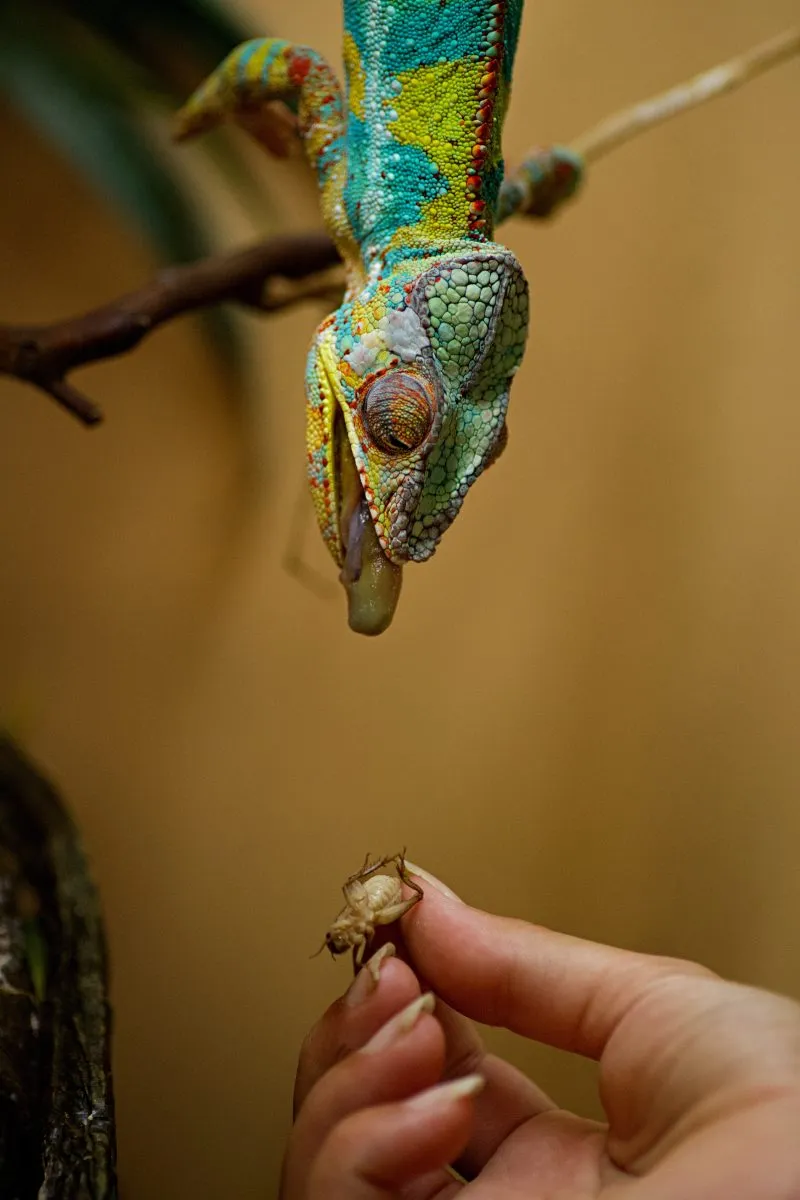
Tarantulas, in their natural habitat, are ambush predators, relying on their hunting instincts to capture live prey. The movement of live prey, such as crickets, roaches, or mealworms, triggers a tarantula’s hunting response. The vibration and the movement stimulate the tarantula to strike and subdue its meal. Live prey also provides a more natural feeding experience, allowing the tarantula to engage in its instinctive behaviors. The act of hunting and capturing prey is essential for the spider’s physical and psychological well-being. Moreover, the nutritional value of live prey is generally higher, as the insects retain their nutrients until consumed. Offering live prey also allows the tarantula to exercise and maintain its hunting skills, contributing to its overall health and vitality. A healthy tarantula is one that gets to hunt.
Nutritional Value of Live vs Dead Crickets
The nutritional value of live and dead crickets can differ, affecting a tarantula’s health. Live crickets retain more of their essential nutrients, including proteins, vitamins, and minerals, until they are consumed. The digestive processes within a live cricket remain active until death, preserving the nutritional content. In contrast, a dead cricket may begin to lose some of its nutritional value over time, particularly if not stored properly. The protein content might degrade, and certain vitamins could diminish. Furthermore, the exoskeletons of dead crickets may become harder for a tarantula to digest, potentially causing digestive issues. The freshness of a dead cricket is critical; older or poorly stored crickets can also harbor bacteria or other pathogens, posing health risks. Therefore, while dead crickets can provide some nutrition, they may not be as complete or beneficial as live prey.
Potential Risks of Feeding Dead Crickets
Offering dead crickets to tarantulas carries certain risks that owners should be aware of. One primary concern is the potential for bacterial contamination. Dead crickets, if not handled and stored correctly, can quickly become breeding grounds for harmful bacteria, which, if ingested, can lead to illness in the tarantula. Another risk is spoilage; decaying crickets can produce toxins, making the tarantula sick. Furthermore, a tarantula may be less inclined to eat a dead cricket, leading to food waste and the potential for mites or other pests to infest the enclosure. The lack of movement in dead prey also deprives the tarantula of its natural hunting instincts. Careful handling, proper storage, and observation of the tarantula’s response are essential when considering dead crickets as part of its diet. Always prioritize the health and well-being of the spider by assessing the risks associated with its food.
How to Offer Dead Crickets Safely

If you choose to offer dead crickets, follow these safety guidelines. Ensure the crickets are fresh, ideally recently deceased. If you’re buying them dead, check their appearance; avoid any that show signs of decay. Store them properly, and if you’re not feeding them immediately, freeze them in an airtight container to preserve freshness. When offering, remove any uneaten cricket within 24 hours to prevent bacterial growth. Consider pre-killing crickets humanely if you’re raising them yourself, ensuring they are a safe food source. Observe the tarantula’s response; if it shows no interest, remove the cricket promptly. Monitor the enclosure for any signs of pests or mold. By implementing these precautions, you can minimize the risks and provide a safe feeding experience for your tarantula. Always prioritize the spider’s health and well-being when it comes to nutrition.
Other Food Options for Tarantulas
Beyond crickets, tarantulas have a variety of food options. Providing a varied diet can enhance their nutritional intake and keep them engaged. These options, when offered appropriately, can contribute to your tarantula’s health and happiness. Understanding the alternatives allows for a balanced feeding schedule. It is also important to know the nutritional value and potential benefits of each food option, ensuring your tarantula gets the necessary nutrients to thrive. Switching up their meals will provide them with a more fulfilling meal plan, which is more similar to their life in the wild, encouraging them to hunt and thrive.
Mealworms and Other Insects
Mealworms and other insects, such as roaches and super worms, are excellent alternatives to crickets. Mealworms are readily available and easy to raise, making them a convenient food source. Roaches provide more protein and are another good option, but they can be quicker and harder to catch, mimicking the hunting experience for the tarantula. Super worms are another nutritious option. When introducing these insects, vary the size to suit your tarantula’s growth stage. Ensure the insects are gut-loaded – fed nutritious food before being offered to the tarantula – to enhance their nutritional value. Be cautious about the quantity, as these insects are high in fat. Always research the specific nutritional profiles of different insects to best cater to your tarantula’s needs.
Pre-killed Prey

Pre-killed prey, such as small mice or other insects, is another way to provide a meal for tarantulas, especially for those owners uncomfortable with live feeding. This option allows the tarantula to receive a meal without the risks associated with live prey, such as the insects biting or harming the spider. However, it’s essential to ensure the prey is fresh. Frozen-thawed meals can be a safe choice if they are handled and thawed correctly. Monitor your tarantula’s response to pre-killed prey, as some may not immediately recognize it as food. Remove uneaten prey within a reasonable timeframe to maintain hygiene. This feeding method caters to the tarantula’s nutritional needs while catering to the owner’s preferences. It also allows the tarantula to focus on the food without the thrill of the hunt.
Supplementing with Vitamins and Minerals
Supplementing a tarantula’s diet with vitamins and minerals is advisable, especially if you’re feeding a limited variety of insects. Calcium and vitamin D3 are essential for exoskeleton development and overall health. These supplements can be dusted onto live prey before feeding or offered directly to the tarantula. It is also important to not over-supplement, as an excess of certain vitamins can be harmful. Balance is critical, and consulting with an experienced tarantula keeper or veterinarian can provide guidance on the appropriate supplements and dosages for your spider’s needs. A well-supplemented diet ensures your tarantula receives all the necessary nutrients for growth, molting, and overall well-being. Regularly including supplements provides a safety net in case the tarantula’s diet has any deficiencies.
Feeding Frequency and Portion Size
The frequency and portion size of feeding depend on various factors, including the tarantula’s age, size, and species. Younger tarantulas, which are actively growing, may require feeding more frequently, possibly every few days. Adults, on the other hand, can often be fed less often, perhaps once a week or even less, as they can go extended periods without food. Observe your tarantula’s abdomen; a plump abdomen indicates a well-fed spider, while a thin abdomen suggests the need for more food. Avoid overfeeding, which can stress the spider and potentially lead to health issues. Adjust the feeding schedule as needed based on your spider’s behavior, the type of prey, and your personal experience with it. Monitor your spider’s eating habits and adjust its food schedule accordingly.
Factors Influencing Feeding Habits

Several factors influence a tarantula’s feeding habits. Temperature plays a significant role, as tarantulas typically eat more when the temperature is within their preferred range. During molting, tarantulas often refuse food, as they are preparing to shed their exoskeleton. The species of the tarantula also matters; some species have naturally larger appetites than others. The size of the prey should be appropriate for the size of the tarantula; generally, the prey should be no larger than the tarantula’s body. Any environmental changes or stress can also affect the tarantula’s appetite. By monitoring these factors, you can better understand your tarantula’s feeding patterns and adjust its diet as needed. Always be attentive to your tarantula’s behaviors and any changes in its eating habits.
Signs of Overfeeding and Underfeeding
Recognizing the signs of overfeeding and underfeeding is essential for maintaining a healthy tarantula. Overfeeding can lead to obesity, making it difficult for the tarantula to move or molt. Signs include a significantly enlarged abdomen and a reluctance to move or hunt. Underfeeding, on the other hand, can result in slower growth and a thin, shriveled abdomen. Watch for a loss of appetite, lethargy, and a generally sluggish demeanor. If you suspect overfeeding, reduce the amount and frequency of feeding. If you suspect underfeeding, increase the amount and frequency while ensuring the food is of high quality. Consult with an experienced keeper if you’re uncertain. Regular observation and adjustments to the feeding schedule will help you ensure the best possible health for your tarantula. Look out for unusual behaviors and make any required changes.
Importance of Fresh Water
Providing fresh water is a non-negotiable aspect of tarantula care, playing a vital role in their hydration and overall health. Tarantulas absorb water through their food and drink from a shallow water dish. The water dish should be easily accessible and placed in a location where the tarantula can readily find it. Change the water frequently, ideally every one to two days, to prevent the growth of bacteria and maintain a clean environment. Ensure the water is clean, fresh, and free from any chemicals or contaminants. Maintaining the water level is important, preventing it from drying out. Regular cleaning and replenishment ensure the tarantula stays hydrated and avoids health problems. A constant supply of clean water is essential for the tarantula’s well-being and ensures a long and healthy life.