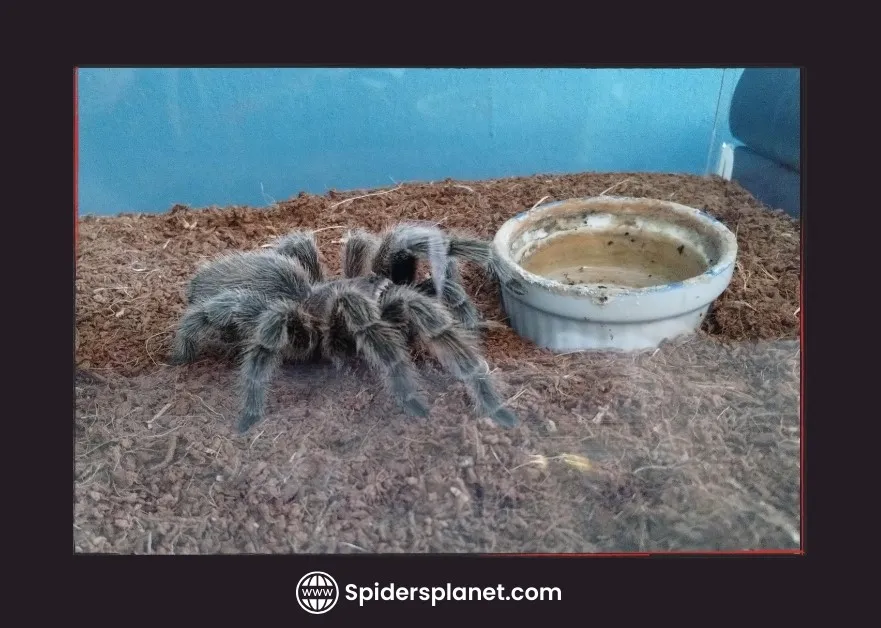
The Tarantula Diet Unveiled
Tarantulas, fascinating creatures of the arachnid world, have a diet that is as intriguing as their appearance. These eight-legged predators are opportunistic eaters, meaning they will consume a variety of prey items depending on their availability and the tarantula’s size. Understanding a tarantula’s diet is crucial for providing proper care and ensuring its health and longevity. The answer to “will a tarantula eat a roach?” is a resounding yes, but there’s much more to their dietary needs than just that. This article delves deep into the world of tarantula nutrition, with a special focus on roaches as a food source, offering essential insights for tarantula keepers and enthusiasts alike.
What Do Tarantulas Eat in the Wild?
In their natural habitats, tarantulas are skilled hunters. Their diets primarily consist of insects, but they are also known to consume other invertebrates and even small vertebrates. The specific prey varies depending on the tarantula species, its geographical location, and the season. Juvenile tarantulas typically consume smaller prey items, while adults can tackle larger meals. Understanding what tarantulas eat in the wild provides valuable clues to mimicking their diet in captivity and ensuring they receive the necessary nutrients to thrive. The image of a tarantula hunting in the wild highlights their predatory instincts and diverse food sources.
Common Prey in Natural Habitats

A tarantula’s menu in the wild is quite varied. Common prey includes crickets, grasshoppers, beetles, moths, and other insects. Some larger tarantula species may even consume small lizards, mice, or even small birds. The availability of these prey items plays a crucial role in the tarantula’s survival and growth. For instance, a tarantula living in a forest might have a diet richer in beetle larvae and ground insects, whereas one in a grassland might rely more on grasshoppers and other insects. Considering the natural diet can help us provide an appropriate and varied diet for our captive tarantulas, contributing to their health and well-being. (Image: A picture of a tarantula hunting in its natural habitat)
The Role of Roaches in the Tarantula Diet
Roaches are an excellent food source for tarantulas and form a significant part of many tarantula diets. The reason behind this is multi-faceted; they are readily available, relatively easy to breed, and offer a good nutritional profile. Roaches provide the necessary protein, fat, and other essential nutrients that tarantulas need to grow and thrive. Feeding roaches to your tarantula is not only a convenient option but also helps replicate their natural feeding habits. This provides mental stimulation for the tarantula, enhancing their overall well-being. The image of a tarantula poised to strike a roach perfectly captures the predatory dynamics and dietary preferences.
Why Roaches are a Good Food Source
Roaches offer several advantages as a food source for tarantulas. Firstly, they are relatively easy to culture, meaning you can establish a consistent supply. Secondly, roaches are a cost-effective option compared to other feeder insects. Thirdly, they are packed with nutrients that support a tarantula’s growth and overall health. Roaches are also generally more active than crickets, which can stimulate the tarantula’s hunting instincts. The hardy nature of roaches also means they can survive longer in a tarantula’s enclosure, providing the tarantula with an extended feeding opportunity. Considering these benefits, roaches are a top choice for feeding tarantulas.
Nutritional Benefits of Roaches for Tarantulas

The nutritional content of roaches makes them an ideal food source. They are a good source of protein, which is essential for tarantula growth and tissue repair. They also contain beneficial fats, which provide energy and help in the absorption of fat-soluble vitamins. Furthermore, roaches have chitin in their exoskeletons, which promotes healthy molting. The nutritional profile of roaches can vary depending on the species and their diet, but generally, they offer a balanced diet that meets most of a tarantula’s nutritional needs. Offering roaches to your tarantula ensures they receive a well-rounded diet, contributing to their longevity and overall health. The image of a tarantula enjoying a roach will highlight the nutritional aspect.
Top 5 Facts About Tarantula Diet and Roaches
Fact 1: Roaches are a Staple Food
Roaches are a staple food for many tarantula keepers. They provide a consistent and readily available food source. Roaches are easy to breed and maintain, making them a convenient option. They are also a nutritionally balanced option for tarantulas. Using roaches as the primary food source can simplify the feeding process and meet the dietary needs of tarantulas.
Fact 2: The Size of the Roach Matters

The size of the roach is important, especially for juvenile tarantulas. Feeding a roach that is too large can be a problem for them. It can be difficult for the tarantula to subdue and consume, or even injure it. The size of the roach offered should be proportional to the tarantula’s size, typically no larger than the tarantula’s body. Monitoring this helps to prevent any feeding-related complications and allows the tarantula to eat successfully.
Fact 3: Feeding Frequency
Feeding frequency varies depending on the age and size of the tarantula. Spiderlings need to eat more frequently than adults, typically every few days. Adult tarantulas, on the other hand, can be fed once or twice a week. Observe your tarantula’s behavior to determine the right feeding schedule. A well-fed tarantula will have a plump abdomen. Adjust the frequency based on the size and activity level, ensuring they don’t become overweight, which can lead to health problems.
Fact 4: Nutritional Value
Roaches offer a good source of protein, essential for growth and muscle development. They also provide chitin, which is beneficial for molting. Roaches can be gut-loaded with nutritious foods before feeding to the tarantula to enhance their nutritional value. Gut-loading is the process of feeding the roaches a diet rich in vitamins and minerals. Variety in the tarantula’s diet ensures it receives a broad range of nutrients, contributing to its overall health.
Fact 5: Prey Preference

While roaches are excellent, some tarantulas have preferences. Introducing variety can enhance interest in feeding. Offering different prey items like crickets or mealworms can provide variety. Observe your tarantula’s behavior to understand their preferences. Rotating the types of feeders offered can stimulate hunting behavior. Keeping the tarantula interested in food contributes to its well-being.
How to Prepare Roaches for Feeding
Roach Preparation Methods
Proper preparation is critical to ensure the safety of your tarantula. The first step is to choose healthy roaches. Remove any dead or sick roaches from the supply. Use tongs to handle the roach and avoid direct contact with the tarantula. Crushing the roach’s head before offering it can prevent it from biting the tarantula. Consider the size of the roach, ensuring it’s proportionate to the tarantula’s size. These methods can help provide a safe and nutritious meal.
Cleaning Roaches Before Feeding

Before feeding roaches, it’s essential to clean them. This ensures your tarantula’s safety and health. Remove any uneaten food or debris from the roach enclosure. This helps in minimizing potential health risks. Consider placing the roaches in a clean container for a short period. This provides a controlled environment for them. Washing the roaches is generally not recommended. The focus should be on ensuring the roaches are free from external contaminants.
Storage of Roaches
Proper storage of roaches is essential for their health and longevity. Keep the roaches in a well-ventilated container. Ensure the container is secure to prevent escape. Provide the roaches with adequate food and water. The specific requirements depend on the roach species. Maintaining a clean environment minimizes the risk of disease. Consider the optimal temperature and humidity levels. Proper storage guarantees a healthy supply of food for your tarantula.
Conclusion on Tarantula Diet and Roaches
In summary, roaches are a highly suitable and beneficial food source for tarantulas. Their nutritional profile, ease of availability, and cost-effectiveness make them a top choice for tarantula keepers. Providing a balanced diet is vital for the health and well-being of your tarantula. Always consider the size of the prey, feeding frequency, and the tarantula’s preferences. By understanding the dietary needs and how roaches fit in, you can create an enriching and healthy environment for your pet tarantula. Remember, a well-fed tarantula is a healthy tarantula. (Image: A healthy tarantula)