Can a Tarantula Eat a Human? The Truth
The idea of a tarantula devouring a human is a dramatic one, often fueled by horror movies and sensationalized stories. However, separating fact from fiction is crucial when discussing the relationship between these large spiders and humans. While tarantulas are formidable predators, the scenario of them consuming a human is, in most realistic contexts, highly unlikely. Their physical capabilities, dietary needs, and venom composition all play a role in determining the plausibility of such an event. This article delves into the scientific truths and myths surrounding tarantulas and their potential interactions with humans, exploring their size, hunting behaviors, and the effects of their venom.
Tarantula Size and Human Consumption
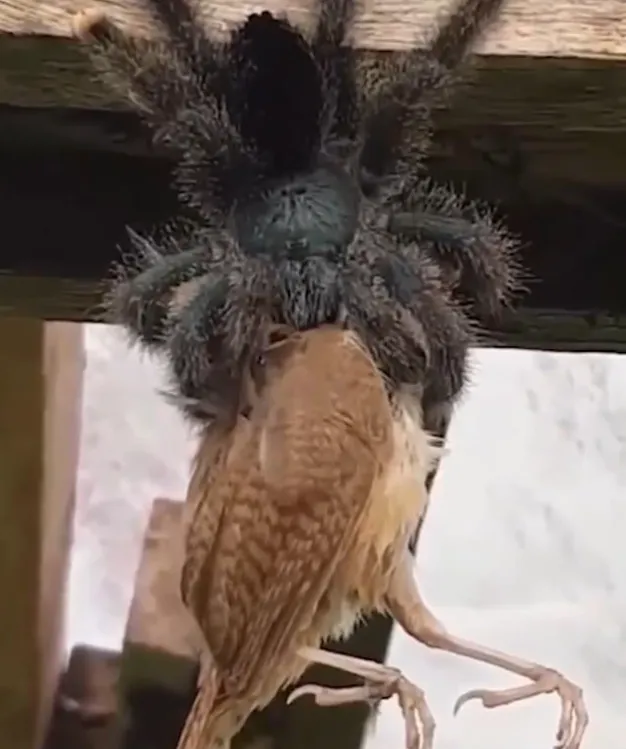
The size of a tarantula is a fundamental factor in assessing its ability to consume a human. Tarantulas, while large by spider standards, range in size. The Goliath birdeater, Theraphosa blondi, is the largest species, with a leg span that can reach up to 12 inches. However, even the largest tarantulas are proportionally much smaller than humans. Their mouths and digestive systems are not designed to handle the mass of a human body. Their primary prey consists of insects, smaller invertebrates, and occasionally small vertebrates like mice, birds, or lizards. The size difference alone makes the complete consumption of a human by a tarantula virtually impossible.
Tarantula Diet & Prey Overview

Tarantulas are primarily carnivores, and their diet consists of a variety of prey. They are opportunistic hunters, meaning they will eat whatever they can catch and subdue. Their diet usually includes insects, such as crickets and cockroaches, but they are also known to consume larger prey, including small reptiles, amphibians, and even small birds and mammals. Tarantulas use their fangs to inject venom, which paralyzes their prey and begins the digestive process. They then use enzymes to liquefy the prey’s insides, which they suck up. The size and type of prey vary depending on the tarantula species and its habitat, but humans are not part of their natural diet due to the size difference and the tarantula’s hunting and digestive capabilities.
Humans as Potential Prey What Scientists Say
From a scientific standpoint, the idea of a tarantula viewing a human as prey is unsupported. Humans are significantly larger and more complex than the typical prey of a tarantula. The hunting behaviors of tarantulas are not adapted for capturing or subduing something as large as a human. Their venom, while potent for smaller creatures, is not designed to immediately incapacitate a human. While a tarantula bite can be painful and cause localized symptoms, it is not typically life-threatening to humans. Scientists and arachnologists agree that the physical and biological factors make the scenario of a tarantula consuming a human highly improbable.
Tarantula Venom and Its Effects on Humans
Tarantula venom is a complex mixture of toxins, primarily designed to immobilize their prey. The effects of a tarantula bite on humans typically include pain, redness, and swelling at the bite site. Some individuals may experience muscle cramps, nausea, or other mild systemic symptoms. However, severe reactions are rare. The venom is not potent enough to kill a healthy adult. The primary danger associated with tarantula bites comes from the potential for allergic reactions or secondary infections. While tarantula venom can cause discomfort, it is not designed to kill or digest a human, making the scenario of a tarantula eating a human unrealistic.
Tarantula Bite Symptoms and Treatment

If bitten by a tarantula, the symptoms typically include immediate pain at the bite site, followed by redness, swelling, and itching. Some people may experience muscle cramps, nausea, or sweating. The severity of the symptoms can vary depending on the individual and the species of tarantula. Treatment usually involves washing the wound with soap and water, applying a cold compress to reduce swelling, and taking over-the-counter pain relievers. In cases of severe allergic reactions or if systemic symptoms worsen, medical attention should be sought immediately. There is no specific antivenom for tarantula bites, but medical professionals can manage the symptoms and provide supportive care.
Top 5 Shocking Facts: Tarantulas Eating Humans
Fact 1 Is It Possible?
Theoretically, in a highly unusual and improbable scenario, a tarantula could potentially bite a human. However, the chance of a tarantula consuming a human is astronomically low. The size difference and the spider’s hunting behavior make it virtually impossible for a tarantula to eat a human.
Fact 2 Size Matters

Even the largest tarantulas, like the Goliath birdeater, are not large enough to consume a human. Their size, mouths, and digestive systems are designed for much smaller prey. The proportion of a human to a tarantula makes human consumption an impossibility.
Fact 3 Human Anatomy
Human anatomy is far too complex for a tarantula to process. The spider’s digestive system cannot handle the mass or the composition of human flesh and bones. Tarantulas use enzymes to liquefy their prey, a process unsuitable for breaking down a human body.
Fact 4 The Venom Factor
Tarantula venom is not designed to kill or incapacitate humans. While the bite can be painful and cause localized symptoms, it is not potent enough to be life-threatening. The venom’s effects are suited for smaller prey, not humans.
Fact 5 What Happens Next

In the unlikely event of a bite, the primary concern is the local effects of the venom and potential allergic reactions. Medical treatment focuses on managing the symptoms and preventing secondary infections. The bite itself is not designed to initiate a process that would allow the spider to eat a human.
Myth vs Reality Is It True?
The idea of a tarantula eating a human is firmly in the realm of myth. It is a product of imagination and sensationalism rather than scientific reality. The physical limitations of tarantulas, their dietary preferences, and the composition of their venom make the scenario virtually impossible. While tarantulas are fascinating creatures, the fear of them consuming humans is unfounded and should be replaced with a more accurate understanding of their behavior and capabilities.
Conclusion
In conclusion, the fear of a tarantula eating a human is largely unfounded. The reality of tarantulas is that they are predators of smaller creatures. Their size, venom, and hunting strategies are not designed for the human body. While tarantula bites can be unpleasant, they are not typically life-threatening, and the possibility of being consumed by one is practically nonexistent. Understanding these facts allows for a more informed perspective on these intriguing arachnids, dispelling myths and promoting respect for their role in the ecosystem.