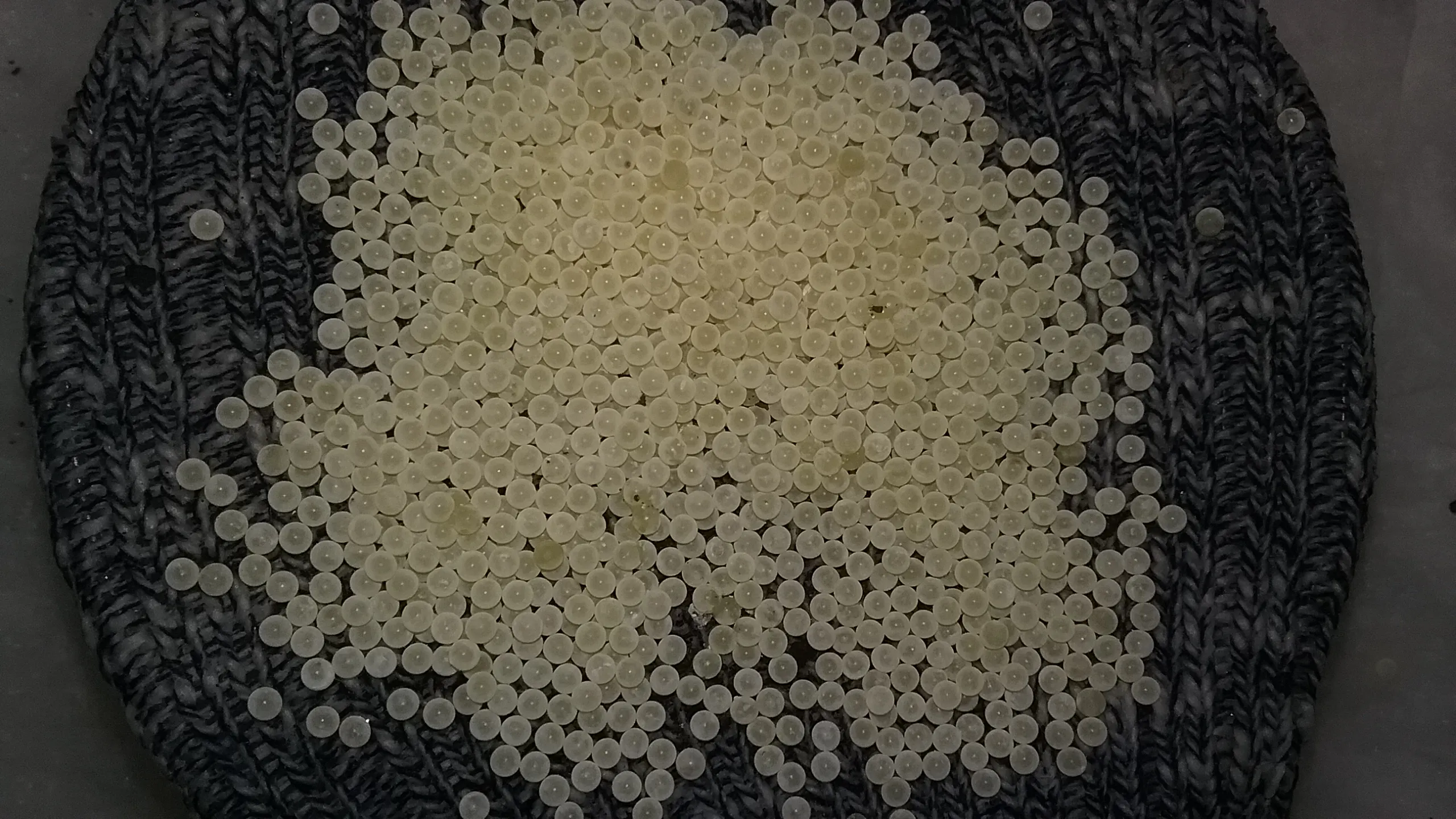
Understanding Tarantula Egg Sacs
Caring for tarantula eggs is a fascinating and rewarding experience for any tarantula enthusiast. It involves understanding the biology of tarantulas, recognizing the signs of a fertile egg sac, and providing the necessary environment for the eggs to develop and hatch successfully. The process, while delicate, offers a unique insight into the life cycle of these amazing creatures. Careful planning and attention to detail are essential for ensuring the health and survival of both the eggs and the subsequent spiderlings. This guide will walk you through the critical steps of tarantula egg care, from identifying a fertile egg sac to raising the newly hatched spiderlings, providing you with the knowledge you need to succeed.
What is an Egg Sac?
A tarantula egg sac is a silken structure created by the female tarantula to protect and incubate her eggs. The female spider meticulously weaves the eggs into a spherical or oval-shaped sac, which she then guards vigilantly. Inside this protective cocoon, the eggs undergo a period of development, shielded from environmental threats. The egg sac’s size and appearance can vary depending on the species of tarantula, the number of eggs, and the environmental conditions. The female will often turn and rotate the egg sac to ensure all eggs receive adequate ventilation and warmth. The egg sac is a crucial element of the tarantula reproductive cycle and understanding its function is the first step in successful tarantula egg care.
Identifying a Fertile Egg Sac

Identifying a fertile egg sac is crucial to the tarantula egg care process. A fertile egg sac is generally firm and spherical, and the female tarantula will typically cradle and protect it. Look for a healthy, well-formed sac that the female is actively guarding. A tarantula that has mated will usually create an egg sac, and if you have witnessed the mating process, you can be more confident of fertility. The color of the egg sac might vary slightly, depending on the species and the age of the sac. Once you have identified a potential fertile egg sac, the next step is to prepare for its care.
Preparing for Egg Sac Care
Preparing for tarantula egg care involves creating a suitable environment for the egg sac to develop. This means setting up a brooding area that mimics the natural conditions of the tarantula’s habitat. Temperature and humidity are the two most critical factors to control. The brooding area should be clean, stable, and free from disturbances. Prepare a separate enclosure, or modify the existing one, to create the ideal conditions for incubation. Careful preparation significantly increases the chances of a successful hatch and the survival of the spiderlings. Always have the necessary supplies ready before the egg sac is laid to minimize stress on the female tarantula and to ensure proper care from the start.
Setting Up the Brooding Area
The brooding area should be a safe, stable, and controlled environment for the egg sac. If you are removing the egg sac from the mother, the enclosure should closely match the conditions of the mother’s enclosure. The enclosure should have a secure lid to prevent escape and should be made of a material that retains heat and humidity well. Provide a substrate, such as peat moss or vermiculite, to help maintain humidity levels. Include a shallow water dish to prevent dehydration. Proper ventilation is essential, so the enclosure should have some airflow, but avoid drafts. Place the enclosure in a location that is away from direct sunlight, excessive noise, and disturbances. This setup provides the ideal conditions for the egg sac to develop undisturbed.
Maintaining Optimal Temperature and Humidity

Maintaining the correct temperature and humidity is critical for successful tarantula egg care. Research the specific needs of your tarantula species. Generally, a temperature between 75-85°F (24-29°C) is suitable for most tarantulas. Use a thermometer to monitor the temperature regularly. Humidity levels should range from 70% to 80% depending on the species. A hygrometer is essential for measuring humidity levels. Adjust the ventilation and substrate moisture to regulate humidity. Consistent temperature and humidity levels are necessary throughout the incubation period. Fluctuations can harm the developing eggs. Consistent monitoring and adjustments are key to providing the perfect conditions for a successful hatch. This is the most critical element to consider for a successful tarantula egg care routine.
Monitoring the Egg Sac
Regular monitoring of the egg sac is essential throughout the incubation period. Observe the egg sac for any signs of problems, such as mold growth or discoloration. If the female is still guarding the egg sac, continue to provide her with food and water, but avoid disturbing her excessively. Record the date when the egg sac was laid or removed. This will help you estimate the hatching time. Check for any changes in the egg sac’s appearance, such as a darkening or a change in texture. Monitor the temperature and humidity levels daily, making adjustments as needed. By monitoring the egg sac closely, you can identify potential issues early and take the necessary steps to address them, ensuring a healthy environment for the developing spiderlings.
Recognizing Premature Hatching
Premature hatching can occur, and it’s important to recognize it. If the egg sac opens or spiderlings emerge before the expected time, this may be due to environmental stress. The spiderlings at this stage are often very fragile. If the spiderlings hatch prematurely, provide them with a safe environment, such as a small, ventilated container with a substrate like paper towels. Maintain the appropriate temperature and humidity levels. Offer tiny food items, such as fruit flies, if they are large enough to eat. Not all premature hatchlings survive, but by providing proper care, you can increase their chances. Monitoring the egg sac closely and being prepared for unexpected events is crucial for tarantula egg care.
Dealing with Mold or Fungus

Mold or fungus can be a serious threat to an egg sac. It thrives in humid environments and can quickly spread, damaging the eggs. If you notice mold, take immediate action. Carefully remove the egg sac from the enclosure. Examine the sac closely to assess the damage. Gently clean the egg sac with a soft brush and a diluted solution of an antifungal agent if needed. Ensure that the enclosure is clean and dry before returning the egg sac. Improve ventilation to prevent the recurrence of mold. Regularly monitor the enclosure and the egg sac for any signs of mold. The key is to catch and treat mold early to minimize the risk to the developing eggs. Maintaining a clean and properly ventilated environment is crucial in preventing mold and fungus growth.
Caring for Spiderlings After Hatching
Caring for spiderlings after hatching is a significant step in the tarantula egg care process. Once the spiderlings emerge from the egg sac, they require specialized care to ensure their survival and growth. This involves providing appropriate food, water, and a safe environment. The first few weeks are crucial, as the spiderlings are most vulnerable at this stage. Careful planning and dedication are essential to successfully raise healthy spiderlings. The following steps will guide you through providing the necessary care during this critical period.
Providing Initial Food and Water
Newly hatched spiderlings require a readily available food source. The first meal should be appropriately sized for the spiderlings. Provide small fruit flies, pinhead crickets, or pre-killed, chopped mealworms. Observe the spiderlings to ensure they are eating. Place a small, shallow water dish in the enclosure, or mist the enclosure lightly with water daily to provide hydration. Ensure the water source is clean and easily accessible. Overfeeding should be avoided, as this can lead to health issues. Offer food regularly, typically every other day, and remove any uneaten food to prevent mold growth. Proper nutrition and hydration are essential for the spiderlings’ initial growth and development. Remember to always use fresh water for the spiderlings.
Separating Spiderlings

Once the spiderlings have molted a few times and are large enough, you will need to separate them to prevent cannibalism. The timing depends on the species and the individual growth rate of the spiderlings. Prepare individual enclosures for each spiderling. These enclosures should be small, with appropriate substrate and a hide. Each spiderling needs its own water source and food. Monitor the spiderlings closely after separation to ensure they are eating and thriving. Regular feeding and water changes are required in the new enclosures. Separating spiderlings is an important step for their safety and growth. They must be properly separated to prevent any cannibalistic behavior from each other.
Common Mistakes in Tarantula Egg Care
Several common mistakes can undermine the success of tarantula egg care. Recognizing and avoiding these pitfalls will significantly increase your chances of raising healthy spiderlings. These mistakes range from improper environmental control to insufficient planning. Avoiding these mistakes can provide a better environment for both the eggs and the spiderlings, increasing the likelihood of a successful hatch.
Overlooking Humidity Levels
One of the most common mistakes is failing to maintain the correct humidity levels. Too much humidity can promote mold growth, and too little can cause the eggs to dry out. Regularly monitor humidity levels with a hygrometer and make adjustments to the ventilation and substrate moisture as needed. Research the specific humidity requirements for your tarantula species. Ensure the enclosure is adequately ventilated, but not so much that the humidity drops. Fluctuations in humidity can be harmful to the developing eggs, leading to a decreased hatch rate or the death of the spiderlings. Consistent humidity levels are a must.
Improper Temperature Control
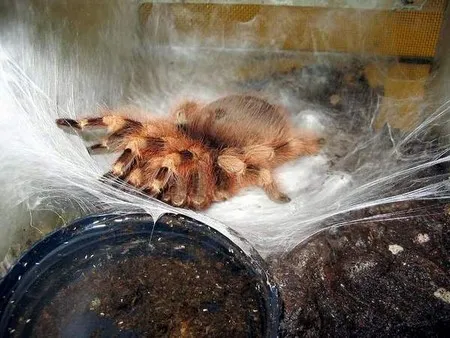
Improper temperature control is another common mistake. Both excessively high and low temperatures can be detrimental to the eggs. Research the optimal temperature range for your tarantula species and maintain that range consistently. Use a thermometer to monitor the temperature regularly and make adjustments as needed. Provide a heat source, if needed, such as a heat mat or a heat lamp, but be careful not to overheat the enclosure. Temperature fluctuations can negatively impact the eggs. Consistent temperature is as important as the humidity. Correct temperature control is crucial for successful tarantula egg care.
Conclusion
Tarantula egg care is a rewarding undertaking that requires careful planning, dedication, and attention to detail. From understanding the biology of the egg sac to providing proper care for the spiderlings, each step is critical to ensuring a successful hatch. By following this guide and avoiding common mistakes, you can significantly increase your chances of raising healthy spiderlings and experiencing the marvel of tarantula reproduction. Remember to research your specific tarantula species and tailor your care accordingly. With the right knowledge and a bit of patience, you can enjoy the fascinating process of tarantula egg care.