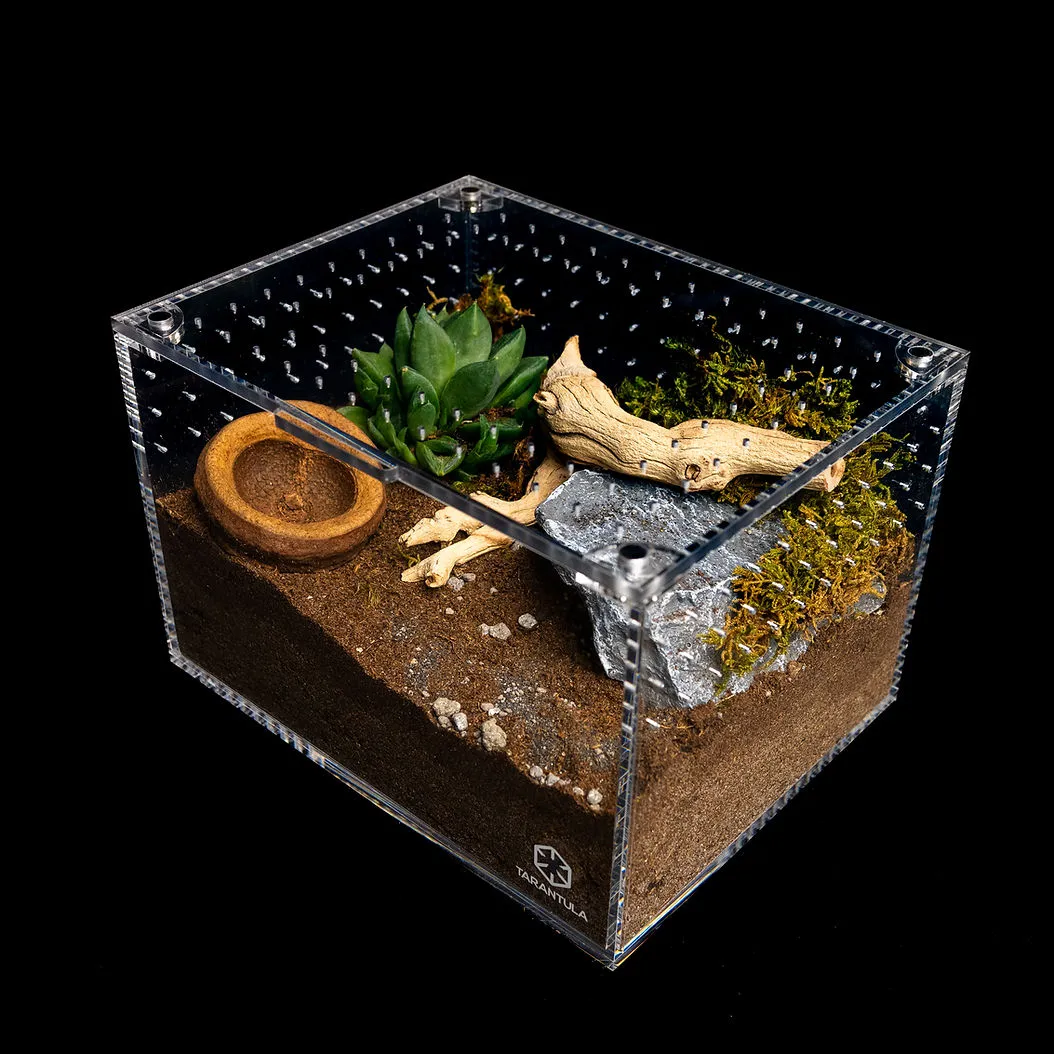
Setting up the perfect tarantula enclosure for juveniles is crucial for their health, well-being, and growth. A well-designed enclosure provides the necessary environment for your young tarantula to thrive, mimicking their natural habitat and ensuring they feel safe and secure. There are several key aspects to consider when creating a suitable enclosure for your juvenile tarantula, including size, ventilation, substrate, decor, and environmental controls. Following these guidelines will help you create a thriving environment for your new pet, setting the stage for a happy and healthy life.
Choosing the Right Juvenile Tarantula Enclosure
Selecting the right enclosure is the first step in providing a safe and comfortable home for your juvenile tarantula. The ideal enclosure should be appropriately sized, well-ventilated, and made of a material that is easy to clean and maintain. Consider both the size and the species of your tarantula when making your choice, as these factors will influence the specific requirements of the enclosure. Also, consider if you prefer a front-opening or top-opening enclosure, as this will affect your ease of access for feeding, watering, and cleaning.
Size Matters for Tarantula Enclosures
The size of the enclosure directly impacts the tarantula’s ability to move around, hunt, and feel secure. A juvenile tarantula shouldn’t be placed in an enclosure that is too large, as this can make it feel exposed and vulnerable. As a general guideline, the enclosure should be approximately three times the tarantula’s leg span in width and length. Too much space can also make it difficult for the tarantula to find its food and may lead to stress. For instance, a juvenile tarantula with a 1-inch leg span would thrive in an enclosure that is roughly 3x3x3 inches. As your tarantula grows, you will need to upgrade the enclosure size accordingly.
Considering Your Tarantula’s Species

Different tarantula species have varying needs when it comes to enclosure design. Arboreal species, which live in trees, require taller enclosures to accommodate their climbing behavior, while terrestrial species, which live on the ground, benefit from more horizontal space. Research the specific requirements of your tarantula species, including their preferred habitat, humidity levels, and burrowing habits, to create an enclosure that meets their unique needs. For instance, some species may require more depth for burrowing, while others may need more climbing branches.
Ventilation is Key
Adequate ventilation is crucial for preventing mold growth and maintaining healthy humidity levels. The enclosure should have a good airflow system that allows for the exchange of fresh air, which helps to remove stale air and odors. This can be achieved by incorporating ventilation holes or mesh in the lid and sides of the enclosure, but be sure to make sure they are small enough so the tarantula cannot escape. Ventilation prevents the buildup of moisture, which can lead to respiratory infections. Avoid enclosures with poor ventilation, as these can create an unhealthy environment for your tarantula.
Substrate Selection for Juvenile Tarantulas
The substrate is the material that lines the bottom of the enclosure and provides the base environment for your tarantula. It plays a crucial role in maintaining humidity, providing a place for burrowing, and absorbing waste. The best substrate options are those that are safe, absorbent, and non-toxic. Different substrate types are suitable for different species, and it’s important to choose one that mimics the tarantula’s natural habitat. The right substrate is vital for your tarantula’s health and well-being.
Substrate Types for Juvenile Tarantulas

There are several substrate options available, including coconut fiber, peat moss, vermiculite, and a mix of these materials. Coconut fiber is a popular choice due to its excellent moisture retention properties and natural appearance. Peat moss is another good option, but it can be slightly acidic, which might not suit all species. Vermiculite can also be used to enhance humidity, but it is often mixed with other substrates. Avoid using substrates like sand or gravel, as they can be difficult to clean and may not retain moisture effectively. You may also want to avoid using wood shavings, as they might contain harmful oils that can affect your tarantula.
Substrate Depth and Humidity Control
The depth of the substrate will depend on the species of your tarantula. Terrestrial species often benefit from a deeper layer of substrate for burrowing, while arboreal species may not need as much. Aim for a depth of at least twice the tarantula’s leg span to allow for burrowing. The substrate’s depth also plays a role in maintaining the correct humidity levels. To control humidity, you can mist the enclosure with water, but avoid oversaturating the substrate. Monitor the humidity levels using a hygrometer and adjust your misting schedule accordingly. Proper humidity levels are essential for the tarantula’s health and successful molting process.
Essential Decor for Your Juvenile Tarantula Enclosure
Decorations add visual appeal to the enclosure and provide essential elements for the tarantula’s well-being. Hiding places, water dishes, and other decorative items contribute to the overall environment and help the tarantula feel safe and secure. The right decor will not only enhance the appearance of the enclosure but also improve your tarantula’s quality of life. By thoughtfully selecting and arranging decorations, you can create a naturalistic and enriching environment for your pet.
Hiding Places for Juvenile Tarantulas

Juvenile tarantulas are vulnerable and need secure hiding places to retreat to when they feel threatened. Provide a hide, such as a piece of cork bark, a half log, or a commercially available hide, where your tarantula can hide. The hide should be large enough for the tarantula to comfortably fit inside. Hides provide a sense of security and help reduce stress. Position the hide in a location that allows the tarantula to easily access it. Consider including multiple hides to give the tarantula more choices and a greater sense of security.
Water and Feeding Dishes
A shallow water dish is essential for providing a constant supply of fresh water. Ensure the water dish is shallow enough to prevent the tarantula from drowning, but large enough for it to drink from. You may also want to use a dish that is difficult to tip over. Feeding dishes are optional, but they can help to keep the enclosure clean and make it easier to remove uneaten food. When using a feeding dish, make sure it is accessible for the tarantula. Clean both the water and feeding dishes regularly to prevent the growth of bacteria.
Lighting and Heating for Juvenile Tarantulas
While tarantulas don’t require special lighting, they do need the correct temperature and humidity levels to thrive. Providing the right environment is critical for ensuring your tarantula’s health and encouraging a natural lifestyle. Avoid placing the enclosure in direct sunlight, as this can cause the enclosure to overheat and create dangerous conditions for your pet. Instead, ensure the enclosure maintains a consistent temperature and humidity level that matches the tarantula’s natural habitat.
Temperature and Humidity Guidelines

Most tarantulas thrive in temperatures between 75°F and 85°F (24°C and 29°C). Use a thermometer to monitor the temperature inside the enclosure. A heating pad or a heat lamp can be used to maintain the desired temperature, but be careful to avoid overheating. Humidity levels should be monitored using a hygrometer, and the enclosure should be misted with water to maintain the correct humidity for the specific species. Different species have different humidity requirements, so research the specific needs of your tarantula. Generally, humidity levels between 60% and 80% are ideal for most tarantulas.
Lighting Considerations
Tarantulas are nocturnal creatures and do not require any special lighting. They are sensitive to bright lights and should not be exposed to excessive illumination. Natural room lighting is usually sufficient. If you choose to add lighting, use low-wattage bulbs or LEDs to avoid overheating the enclosure. Consider using a red light bulb for nighttime viewing, as it does not disturb the tarantula’s natural behavior. Avoid using bright, unfiltered lights to minimize stress and ensure the tarantula’s comfort.
Maintenance and Cleaning Your Juvenile Tarantula Enclosure
Regular maintenance and cleaning are crucial for maintaining a healthy and hygienic environment for your juvenile tarantula. This helps to prevent the buildup of waste and mold, and minimizes the risk of health issues. A consistent cleaning schedule, along with close monitoring, will help ensure your tarantula’s well-being. A clean enclosure not only benefits the tarantula but also reduces odors and improves the overall appearance of the setup.
Regular Cleaning Schedule

A regular cleaning schedule is vital for maintaining a healthy environment. Spot-clean the enclosure daily by removing any uneaten food, shed exoskeletons, and fecal matter. A more thorough cleaning should be done monthly or as needed. Remove the substrate and replace it with fresh substrate, clean the decorations, and wipe down the inside of the enclosure with a damp cloth. Always use a reptile-safe disinfectant or a mild soap solution to clean the enclosure. Rinse thoroughly to remove any cleaning agents before returning the tarantula to its enclosure. This will help prevent diseases and parasites.
Monitoring and Troubleshooting
Regularly monitor the enclosure for any signs of problems, such as mold growth, excessive humidity, or any unusual tarantula behavior. If you notice any issues, address them promptly. Adjust the ventilation, humidity, or temperature as needed. Watch for signs of illness, such as lethargy or loss of appetite, and consult a veterinarian or experienced tarantula keeper if you are concerned. It is also important to monitor the molting process closely, and provide a safe environment during this vulnerable time for your tarantula. This monitoring can help you identify and resolve any problems quickly, ensuring a healthy and happy life for your tarantula.
Final Thoughts
Setting up a tarantula enclosure for juveniles is a rewarding experience. By following these tips, you can create a safe, comfortable, and enriching environment that supports your tarantula’s growth and well-being. Always remember to research the specific needs of your tarantula species and tailor the enclosure accordingly. With proper care and attention, your juvenile tarantula will thrive, providing you with years of enjoyment and fascination. Enjoy the experience of being a tarantula keeper and watching your pet grow and develop in its specially designed home.