Essential Tarantula Enclosure Tips
Creating the perfect habitat for your tarantula is crucial for its health and well-being. A well-designed tarantula enclosure provides a safe, comfortable, and stimulating environment that mimics the spider’s natural habitat. This guide will provide top tips for tarantula enclosure setup, covering essential aspects from size and substrate to temperature and decor. Following these guidelines will help you create an ideal living space for your arachnid friend, ensuring it thrives in your care. Remember, a happy tarantula is a healthy tarantula. By paying attention to the details of their enclosure, you can significantly enhance their quality of life and observe their fascinating behaviors.
Proper Size for Tarantula Enclosures
The size of your tarantula’s enclosure is one of the most important factors in its overall well-being. Providing an enclosure that is too small can restrict movement and lead to stress, while one that is too large might make it difficult for your tarantula to find food or feel secure. It is essential to strike the right balance, ensuring the enclosure offers enough space for your tarantula to move around, hunt, and create a comfortable burrow or retreat.
Why Enclosure Size Matters
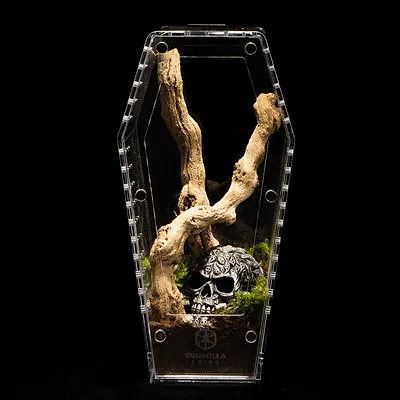
A properly sized enclosure minimizes stress. Tarantulas are naturally cautious creatures, and a space that feels too vast can make them feel exposed and vulnerable. Adequate space allows for natural behaviors such as burrowing, climbing, and hunting. It also facilitates the proper setup of temperature and humidity gradients, which are vital for the tarantula’s health. The right enclosure size supports the overall well-being of the tarantula, allowing it to thrive in a secure and stimulating environment.
How to Determine the Right Size
A good rule of thumb is to provide an enclosure that is at least twice the tarantula’s leg span in width and length and also consider the tarantula’s type. Terrestrial tarantulas benefit from a wider enclosure, while arboreal species need height for climbing. Research the specific species you own to find the appropriate dimensions and consider their adult size when purchasing an enclosure for a juvenile. This proactive approach will ensure that your tarantula has enough room to grow and thrive.
Substrate Selection for Tarantula Enclosures
The substrate is the foundation of your tarantula’s enclosure. It serves multiple crucial functions, including providing a surface for the tarantula to walk on, creating a medium for burrowing, and helping to regulate humidity. The right substrate supports your tarantula’s well-being by providing both physical and psychological benefits. The right choice will also assist in maintaining a healthy environment within the enclosure.
Best Substrate Types
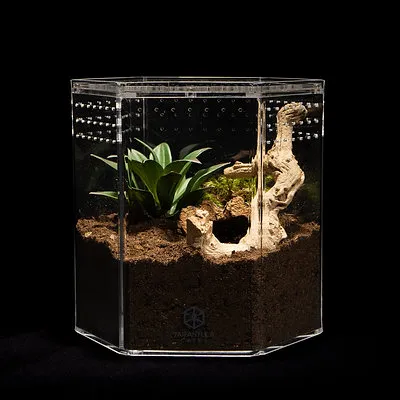
Many options are available, each with its advantages. Coconut fiber is a popular choice due to its excellent moisture-retention properties, making it suitable for maintaining humidity. Sphagnum moss can be mixed with the substrate to further enhance moisture retention and create a natural look. Peat moss is another option, offering good moisture control. For burrowing species, a mixture of substrate, such as soil and sand, can work well. Always choose substrates that are free from pesticides and other chemicals that could harm your tarantula. Make sure to choose non-toxic decorations.
Substrate Depth and Humidity
The depth of the substrate should be appropriate for the tarantula’s species. Burrowing species require a substrate deep enough for them to dig their burrows. For terrestrial species, a depth of 4-6 inches is often sufficient. Humidity levels vary depending on the species and should be maintained within the appropriate range, as excessive humidity can lead to mold growth, while too little humidity can cause molting problems. Regularly misting the enclosure and monitoring humidity with a hygrometer are essential for maintaining the right environment.
Temperature and Humidity Control
Maintaining the correct temperature and humidity levels is critical for the tarantula’s health, and well-being. These environmental factors play a significant role in the tarantula’s metabolism, molting process, and overall health. Failing to control these factors can lead to a range of health issues, including difficulty molting, dehydration, and even death. A well-regulated enclosure mimics the tarantula’s natural habitat, allowing it to thrive.
Ideal Temperature and Humidity Levels

Temperature and humidity requirements vary depending on the species, so research your tarantula’s specific needs. Generally, most tarantulas thrive in temperatures between 75-85°F (24-29°C). Humidity levels can range from 60-80%, again depending on the species. Tropical species will require higher humidity, while desert species need less. Use a thermometer and hygrometer to monitor the environment. These devices provide real-time data, enabling you to make the necessary adjustments to maintain optimal conditions.
Methods for Maintaining Climate
Several methods can help you maintain the correct climate. A heat mat placed on the side of the enclosure can provide supplemental heat. Avoid placing the heat mat directly under the enclosure to prevent the substrate from drying out too quickly. Misting the enclosure regularly can help to increase humidity. Good ventilation is necessary to prevent the buildup of mold and bacteria. The proper placement of the enclosure is important to ensure that it is out of direct sunlight and drafts.
Decorating Your Tarantula Enclosure
Adding decorations to your tarantula’s enclosure enhances its aesthetic appeal and provides enrichment for your tarantula. The right decorations can make the enclosure a more stimulating environment. This can also meet the tarantula’s instinctual needs, such as burrowing, climbing, and hiding. Consider the species’ natural behaviors and needs to guide your choices.
Adding Hides and Climbing Structures

Providing hides is essential for creating a secure environment. A hide allows the tarantula to retreat and feel safe, reducing stress. Cork bark, half logs, or commercially available hides are all good options. Climbing structures, such as branches or rocks, can provide enrichment and allow arboreal species to explore and climb. Ensure all decorations are stable and free from sharp edges that could injure your tarantula.
Avoiding Toxic Plants and Decorations
It’s crucial to avoid using toxic plants or decorations in your tarantula’s enclosure. Some plants can be poisonous if ingested, and certain materials may release harmful chemicals. Artificial plants made from safe materials are a good alternative to natural plants. Avoid using any decorations with sharp edges or small parts that your tarantula could ingest. Research all the materials and items you plan to use, to ensure they are safe for your tarantula.
Feeding and Watering
Providing proper feeding and watering is fundamental to tarantula care. A healthy tarantula requires a balanced diet and consistent access to fresh water. Knowing what to feed, how often to feed, and how to provide water will help ensure that your tarantula remains healthy and thrives in its enclosure.
Water Dish Placement and Maintenance
Place the water dish in a secure location where your tarantula can easily access it. A shallow water dish is best to prevent drowning. Ensure the dish is not easily tipped over. Clean the water dish regularly, at least once a week, to prevent the growth of bacteria and algae. Use fresh, dechlorinated water to maintain a healthy water source.
Feeding Frequency and Prey Size
The feeding frequency depends on the tarantula’s age and species. Younger tarantulas require more frequent feedings, usually every few days. Adults can be fed less often, often once or twice a week. The size of the prey should be appropriate for the tarantula. Prey items should be no larger than the tarantula’s body size. Suitable prey includes crickets, mealworms, and roaches. Remove any uneaten prey within 24 hours to prevent them from stressing the tarantula.
Regular Cleaning and Maintenance
Consistent cleaning and maintenance are essential to keep your tarantula’s enclosure clean and healthy. A clean environment reduces the risk of disease and promotes the well-being of your tarantula. Establishing a regular cleaning routine and maintaining the enclosure is critical to creating a safe and hygienic habitat.
Spot Cleaning and Full Enclosure Cleaning

Spot clean the enclosure regularly, at least once a week, to remove any uneaten prey, molted exoskeletons, and fecal matter. This involves using tongs to remove any visible debris. Full enclosure cleanings should be performed less frequently, depending on the substrate. When cleaning the enclosure, remove the tarantula safely, replace the substrate, and thoroughly clean the enclosure and decorations. Be sure to clean the water dish as well. This thorough cleaning helps to prevent the buildup of bacteria and other harmful elements.
Signs of a Healthy Enclosure
A healthy enclosure will exhibit several positive characteristics. The substrate should be clean and appropriately moist. The temperature and humidity levels should be within the recommended range for the species. The tarantula should appear active, alert, and feeding well. The absence of mold or other signs of contamination indicates a clean and healthy environment. Regularly inspecting the enclosure and your tarantula will allow you to catch potential problems early, thereby ensuring your pet’s well-being.
By following these top 5 tips for tarantula enclosures, you can create a thriving and safe habitat for your pet. Remember that each tarantula species has unique needs, so always research your specific species to provide the best care possible. A well-maintained enclosure is the foundation of a happy and healthy tarantula. Take pride in creating a space where your tarantula can thrive, and enjoy the fascinating world of these amazing creatures.