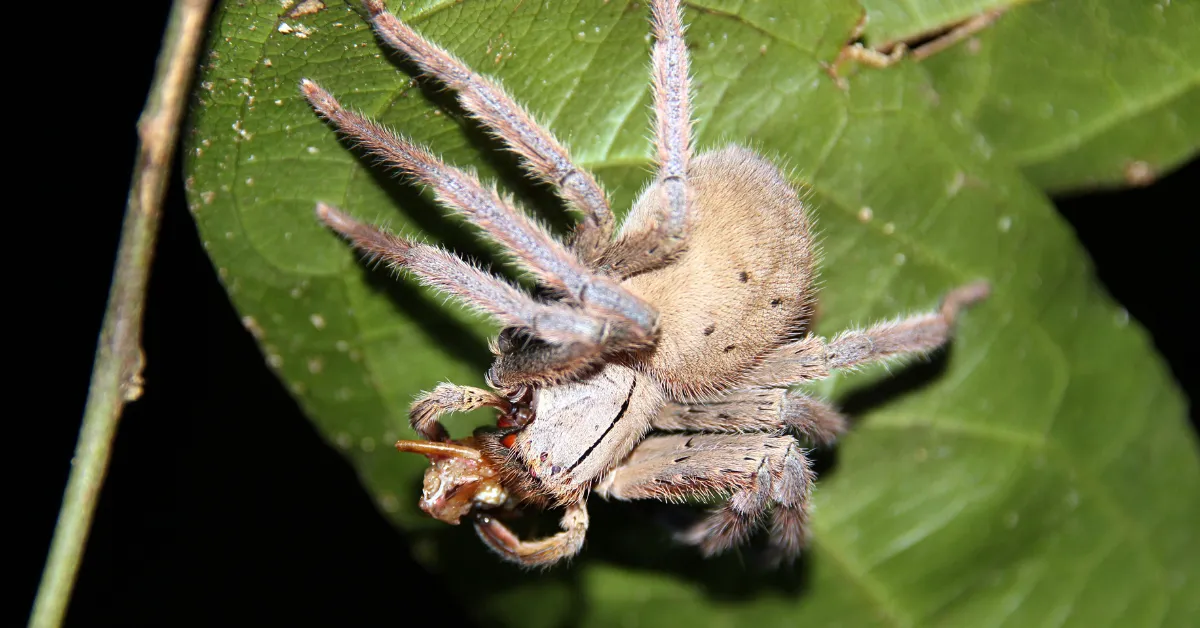
What Do Tarantulas Eat
Tarantulas are primarily carnivorous creatures, their diets in the wild consisting mainly of insects, but also including small vertebrates like lizards, frogs, and even small birds or mice, depending on the size and species of the tarantula. When kept as pets, their diet is usually simplified to commercially available insects, such as crickets, mealworms, and roaches, which are readily available from pet stores or online suppliers. It is essential to ensure the insects are gut-loaded before feeding them to your tarantula. Gut-loading involves feeding the insects nutritious food items, such as vegetables, fruits, and commercial insect food, a day or two before offering them to the tarantula. This practice enhances the nutritional value of the prey and provides your tarantula with a more balanced diet.
How Often Do Tarantulas Eat A Feeding Guide
The frequency at which tarantulas eat can vary significantly based on several factors, including the age, size, species, and overall health of the tarantula. However, a general guideline is to feed adult tarantulas once every one to two weeks. Spiderlings and juvenile tarantulas, with their faster metabolisms and growth rates, typically require more frequent feedings. Always monitor your tarantula’s abdomen for signs of fullness, as this will help you determine if you are providing the appropriate amount of food. Overfeeding can lead to health problems, while underfeeding can stunt growth and affect their overall well-being. Always research the specific needs of your tarantula species, because they have particular eating habits. It’s crucial to understand the general guidelines and observe your specific tarantula to determine the most appropriate feeding schedule.
Factors Influencing Tarantula Feeding Frequency

Several factors impact how often a tarantula needs to eat. Understanding these factors will help you tailor the feeding schedule to your pet’s needs. These factors include age, size, species, temperature, and humidity of the enclosure. Keep in mind the needs of the tarantula. This will affect the rate of metabolism and the overall need to eat. Adjust the feeding schedule accordingly to support the health and well-being of the tarantula.
Age
Younger tarantulas, often referred to as spiderlings, have a much faster metabolism and require more frequent feeding to support their rapid growth. As they mature, their metabolism slows down, and their feeding frequency decreases. Spiderlings typically eat every few days, while adults may eat only once or twice a month. It is essential to adjust the feeding schedule accordingly to match the tarantula’s life stage.
Size
The size of the tarantula is a significant factor in determining how often it needs to eat. Larger tarantulas, naturally, require more food to sustain their size. Smaller tarantulas require less. Therefore, consider the overall size of the tarantula when planning a feeding schedule. A bigger tarantula needs more food and a bigger feeding frequency than a smaller one.
Species

Different tarantula species have varying feeding habits and dietary needs. Some species are known to be voracious eaters, while others may be more reserved. Some species come from areas with plenty of food and are used to eating a lot. Others live where food is scarce. The feeding schedule should be adjusted based on the specific needs of the species. Research your tarantula species to determine its natural feeding habits and adjust your approach accordingly. Always research the needs and habits of the tarantula species.
Temperature and Humidity
Temperature and humidity levels within the tarantula’s enclosure can also influence its feeding habits. Warmer temperatures generally speed up the tarantula’s metabolism, which increases its appetite. Similarly, appropriate humidity levels are essential for maintaining the tarantula’s health and well-being. Ensure the enclosure’s temperature and humidity levels are appropriate for your species and adjust the feeding schedule to align with the environmental conditions, but do not make temperature and humidity level unstable. A stable environment is key to a healthy tarantula.
Tarantula Feeding Schedule and Tips
Developing a proper feeding schedule is essential for keeping a tarantula healthy and content. It is essential to understand how often to feed a tarantula. Keep in mind the varying needs and behaviors, which can change with life stage. This requires understanding the specifics of feeding requirements for different phases of a tarantula’s life. Implementing the right feeding practices can contribute to the health and longevity of these captivating creatures. These tips can help create a feeding plan. Always keep in mind the safety of your tarantula.
Feeding Frequency by Tarantula Life Stage

The feeding schedule for a tarantula should be adjusted depending on its life stage. Spiderlings, juveniles, and adults have very different requirements. Therefore, an understanding of the stage of life will affect the feeding process.
Spiderling
Spiderlings, or baby tarantulas, are in a constant state of growth. They require frequent feeding to support their development. Feed spiderlings every two to three days. The food should be small, such as pre-killed, pinhead-sized crickets or fruit flies. Make sure the prey is not too large, or they may not be able to handle it. The right-sized food is essential for their growth and survival. Keep food easily available.
Juvenile
Juvenile tarantulas are growing rapidly but not as quickly as spiderlings. As such, their feeding frequency can be reduced. Feed juveniles once or twice a week, offering appropriately sized crickets, mealworms, or roaches. Monitor their abdomen size to ensure they are not overfed. Overfeeding can be dangerous for juveniles. If the abdomen is too big, then feed less food to the tarantula.
Adult

Adult tarantulas have reached their full size, and their metabolism slows down. Feed adult tarantulas every one to two weeks. It is possible to feed them less often. Provide appropriately sized prey, such as large crickets, roaches, or even small mice (for larger species). Keep an eye on their abdomen size, and adjust the feeding frequency as needed. Some adult tarantulas may go for extended periods without eating, particularly before molting.
Tips for Successful Tarantula Feeding
Several practices can help ensure successful tarantula feeding. These tips will help to create a happy environment for the tarantula. These practices can contribute to its overall well-being and growth. The tips range from understanding prey size to creating a safe environment for the tarantula.
- Offer appropriately sized prey to match the tarantula’s size and stage of life.
- Pre-kill prey for safety, especially with larger tarantulas or during molting periods.
- Provide fresh water at all times, and ensure that the water source is shallow to prevent accidental drowning.
- Remove uneaten prey within 24 hours to prevent stress and potential harm to the tarantula.
- Monitor the tarantula’s abdomen size, and adjust feeding frequency accordingly.
- Research the specific dietary needs of the tarantula species you own.
Common Feeding Mistakes to Avoid
Several mistakes can compromise a tarantula’s health and well-being. Avoiding these common pitfalls can help ensure a happy and healthy pet. The key is to understand the specific needs of your tarantula. Knowing these mistakes can help keep the tarantula healthy. The overall health of a tarantula relies on the right care.
- Overfeeding, leading to obesity and health problems.
- Underfeeding, causing stunted growth and poor health.
- Using prey that is too large for the tarantula to handle.
- Leaving uneaten prey in the enclosure for extended periods.
- Feeding the tarantula while it is in premolt.
- Providing a diet that is not varied or nutritionally balanced.
- Not gut-loading the insects before feeding.
Signs of Overfeeding or Underfeeding

It is important to be able to identify signs of overfeeding or underfeeding in a tarantula. Being able to identify these signs can help the tarantula’s overall health. If you are overfeeding or underfeeding the tarantula, it can cause long-term damage. By knowing these signs, it is easier to create a good environment for the tarantula.
- Overfeeding results in a swollen, bulbous abdomen, which can indicate obesity and potential health problems. The tarantula may appear sluggish and less active.
- Underfeeding can cause a tarantula to have a thin, shrunken abdomen. It may also show lethargy, poor growth, and be more prone to molting problems.
- Observe the tarantula’s behavior and appearance to make the necessary adjustments to its feeding schedule.
Conclusion
Understanding how often tarantulas eat is crucial to providing proper care for these fascinating creatures. This includes understanding their diet, feeding frequency, and the factors that influence their eating habits. By following a proper feeding schedule, you can help keep your tarantula healthy and happy. Proper care, including the right diet and feeding schedule, is key to keeping the tarantula in good health. By paying close attention to your tarantula’s specific needs and adjusting the feeding schedule accordingly, you can ensure that it thrives in its captive environment.