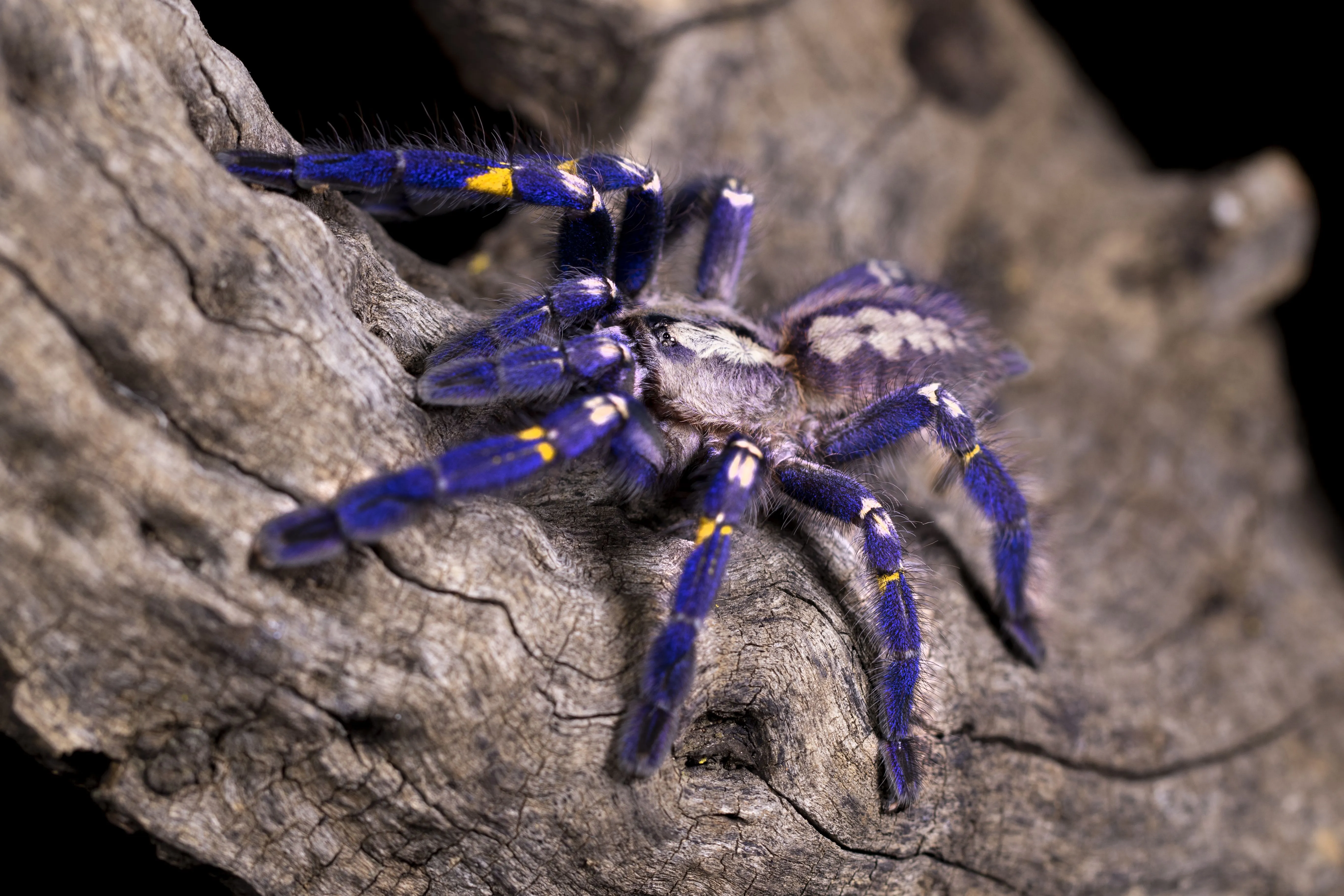
Top 5 Tarantula Hut Species Facts
Tarantula enthusiasts understand that creating the perfect habitat is crucial for the health and happiness of their eight-legged companions. A tarantula hut, a specialized shelter within a terrarium, provides a secure retreat, mimics their natural environment, and contributes significantly to their overall well-being. While many factors influence the ideal tarantula habitat, understanding the specific needs of different species and providing appropriate hut setups is paramount. This article unveils five essential facts about tarantula hut species, helping you create an optimal living space for your pet tarantula. From material selection to environmental control, these insights will guide you in providing a thriving environment. By focusing on these key aspects, you can ensure your tarantula lives a long, healthy, and stress-free life, allowing you to enjoy the fascinating world of these amazing creatures.
What is a Tarantula Hut?
A tarantula hut is essentially a shelter or hideaway designed to mimic the natural environment of a tarantula. It serves multiple purposes within a terrarium. Primarily, it provides a sense of security, which is critical for tarantulas, as they are prey animals in the wild. The hut offers a safe space where the tarantula can retreat when feeling stressed, during molting, or simply to rest. Beyond security, the hut also plays a vital role in regulating the microclimate within the terrarium. It helps maintain proper humidity levels, which are essential for the tarantula’s respiratory health and molting process. The design and materials of the hut can also influence temperature regulation, creating a stable and comfortable environment. Choosing the right tarantula hut is an important decision for a responsible pet owner.
Benefits of a Tarantula Hut

The benefits of incorporating a tarantula hut into your pet’s terrarium extend beyond simple aesthetics. Providing a dedicated shelter dramatically reduces stress levels in tarantulas. Constant exposure and lack of cover can lead to chronic stress, which can manifest in decreased appetite, lethargy, and a compromised immune system. A hut offers a sanctuary where the tarantula can feel safe and retreat from perceived threats. During molting, tarantulas are particularly vulnerable. The hut provides a protected space during this delicate process, shielding them from potential disturbances and aiding in successful shedding. Moreover, the hut can also act as a focal point for the terrarium, creating a more natural and enriching environment. These factors collectively contribute to the tarantula’s overall well-being, allowing them to thrive in a captive setting.
Fact 1: Species Preferences
Different tarantula species have varying preferences when it comes to their habitat. Some species are terrestrial, spending most of their time on the ground, while others are arboreal, preferring to live in trees or elevated structures. Therefore, the design and placement of the hut should cater to the specific needs of your tarantula. Terrestrial species often prefer ground-level hides, such as cork bark or pre-made hides that mimic burrows. Arboreal species, on the other hand, require elevated structures, such as vertical pieces of cork bark or custom-built platforms to provide cover at higher levels. Researching the natural habitat of your tarantula species is key to understanding its preferences. This knowledge allows you to create a more natural and comfortable living space, thereby reducing stress and improving the quality of life for your pet.
Understanding Habitat Needs
Understanding the specific habitat requirements for your tarantula species is vital. This includes not only the type of hut but also the overall terrarium setup. Considerations such as substrate depth, humidity levels, and temperature gradients are all interconnected. The depth of the substrate should allow for burrowing if the species naturally burrows. Humidity levels must be carefully monitored and maintained, often with the aid of the hut to prevent desiccation. Similarly, the temperature within the terrarium should match the tarantula’s natural climate. The hut can also influence these factors by helping retain moisture and provide a cooler area. By understanding these interrelated habitat needs, you can create an environment that closely mirrors the tarantula’s natural environment, encouraging healthy behaviors and reducing stress.
Species-Specific Requirements

Each tarantula species has unique requirements that should inform the design of its hut. For instance, some species may require a hut with a specific opening size or shape. Others might prefer a hide with a particular texture or material. Some species are more sensitive to humidity fluctuations, requiring hut designs that aid in stable moisture levels. The size of the hut should also be appropriate for the tarantula’s size and growth stage, ensuring adequate space for movement and comfort. Careful consideration of these species-specific needs is essential for providing a suitable habitat. Researching the natural behaviors and preferences of your tarantula species will help you tailor its hut, providing the best possible living environment.
Fact 2: Material Matters
The materials used to construct the tarantula hut are of paramount importance. The ideal materials are non-toxic, durable, and capable of maintaining a stable microclimate within the enclosure. Cork bark is a popular choice due to its natural appearance, its ability to retain moisture, and its relatively low cost. Other suitable materials include commercially available plastic hides, which are easy to clean and maintain a stable humidity level. Avoid materials that could potentially harm the tarantula, such as treated wood or materials with sharp edges. Consider the material’s ability to regulate temperature and its impact on humidity levels. By choosing the right materials, you can ensure a safe, healthy, and comfortable environment for your tarantula, promoting its well-being and longevity.
Choosing the Right Materials
When selecting materials for your tarantula hut, prioritize safety and functionality. Natural materials like cork bark offer a good balance of aesthetic appeal and practicality. They are readily available, easy to manipulate, and provide a natural look and feel to the enclosure. Plastic hides are also a good option, especially for beginners, because they are easy to clean and maintain. Avoid materials that have been treated with chemicals or paints, as these can be toxic to tarantulas. Ensure that the materials are non-abrasive and have no sharp edges that could injure the tarantula. The goal is to create a safe and stimulating environment. Careful selection of materials is key to building a comfortable home.
Material Safety and Durability

Material safety and durability are crucial considerations. All materials used should be non-toxic and safe for the tarantula. This is especially important for materials that the tarantula might come into direct contact with or potentially ingest. The hut must be durable enough to withstand the tarantula’s activities, such as digging, climbing, or rubbing against it. The hut should also be easy to clean and disinfect to prevent the buildup of bacteria or mold. Regularly inspect the hut for any signs of wear and tear. Replace or repair the hut as needed to ensure it remains a safe and functional component of the tarantula’s habitat. Prioritizing safety and durability will promote a healthy environment.
Fact 3: Size and Dimensions
The size and dimensions of the tarantula hut are critical for the tarantula’s comfort and overall well-being. The hut should be large enough to accommodate the tarantula comfortably, allowing it to move freely and turn around. However, it should not be excessively large, as this can make the tarantula feel exposed and insecure. The hut’s size should be appropriate for the tarantula’s size and growth stage. As the tarantula grows, it may need to be provided with a larger hut. Regularly monitor your tarantula and observe its behavior to determine if the hut is the right size. If your tarantula appears cramped or struggles to move within the hut, it is time to upgrade to a larger one. The dimensions of the hut directly influence the quality of life for your tarantula.
Determining Appropriate Hut Size
Determining the appropriate size for a tarantula hut involves careful consideration of the species and its current size. A good rule of thumb is to choose a hide that is roughly 1.5 to 2 times the size of the tarantula’s body. This provides adequate space for the tarantula to move and turn around comfortably. The hut should be long enough to allow the tarantula to fully stretch out if desired. Always consider the specific needs of the species; some tarantulas like to burrow and require a deeper hide, while others prefer to be able to readily move in and out. Regularly monitoring your tarantula’s behavior will provide valuable insights into its needs. If the tarantula seems to spend most of its time outside the hide, it may need a larger or more suitable one.
Growth and Molting Considerations

The size of the tarantula hut must be adjusted to accommodate the tarantula’s growth stages. Tarantulas molt, shedding their exoskeleton periodically, and during this vulnerable time, they need a safe and secure space. The hut should be large enough to accommodate the tarantula’s new, larger size after each molt. It is a good practice to upgrade the hut size gradually as the tarantula grows. Over time, it may be necessary to provide multiple hides of increasing sizes. Remember to take into account that molting tarantulas often require a humid environment. Ensure that the hut and surrounding substrate allow for the maintenance of adequate humidity levels to facilitate the molting process. Providing the right hut size, combined with proper environmental conditions, is essential for the tarantula’s successful growth and molting cycles.
Fact 4: Humidity and Ventilation
Maintaining the correct humidity and ventilation levels is essential for the health and well-being of your tarantula. Humidity is critical for the molting process. The tarantula hut can play a key role in regulating these humidity levels. The material of the hut can impact how well it retains moisture. Cork bark, for instance, naturally retains moisture, helping to maintain a humid environment. Ventilation is equally important. Proper airflow prevents the buildup of mold and bacteria within the enclosure. The hut should have some level of ventilation, ensuring that fresh air circulates while still maintaining adequate humidity. Careful consideration of humidity and ventilation is key to providing a healthy and balanced habitat for your tarantula.
Maintaining Optimal Humidity Levels
Optimal humidity levels vary depending on the tarantula species. Research the specific requirements for your tarantula to determine the ideal range. The hut can help to create and maintain the appropriate humidity. This is often achieved through regular misting of the enclosure, especially the substrate near the hut, and by providing a water dish. The hut itself can retain moisture, contributing to the overall humidity of the terrarium. Monitor humidity levels regularly with a hygrometer. Adjust misting frequency and the size of the water dish as needed to maintain the correct range. Excessive humidity can lead to mold growth, while insufficient humidity can hinder molting. Striking the right balance of humidity is critical.
Ventilation Importance for Tarantulas

Proper ventilation is essential for preventing the buildup of harmful bacteria and maintaining a healthy environment. While humidity is crucial, excessive moisture with poor ventilation can lead to mold and fungal growth. The tarantula hut should not completely seal off the space. Ensure that air can circulate through the hut and the enclosure. This is often achieved through strategically placed ventilation holes or openings. The design of the terrarium itself should also facilitate good airflow. Ensure the ventilation is sufficient for the species. Good ventilation not only helps to control mold and bacteria but also contributes to the overall health and well-being of your tarantula. Observing your tarantula’s behavior and regularly inspecting the enclosure for any signs of mold or excess moisture are essential.
Fact 5: Aesthetic Appeal
While the primary purpose of a tarantula hut is functional, aesthetics also play a role in the overall environment. A visually appealing habitat can enhance the enjoyment of observing your tarantula. Choosing a hut that complements the terrarium’s design can create a more natural and stimulating environment. However, aesthetics should never compromise the functionality and safety of the hut. Natural-looking hides, such as cork bark, not only provide a suitable shelter but also blend seamlessly with the substrate and other décor. Consider the colors and textures of the hut. Ensure it harmonizes with the rest of the enclosure. The goal is to create a visually pleasing and enriching environment that enhances both the tarantula’s well-being and your enjoyment as a pet owner.
Enhancing the Habitat
Enhancing the habitat goes beyond simply providing a hut. Additions such as live or artificial plants, driftwood, and other natural elements create a more stimulating and enriching environment for your tarantula. These elements can provide additional hiding places, increase the complexity of the habitat, and contribute to the overall aesthetic appeal. When adding these elements, ensure they are safe and non-toxic. Avoid materials that could potentially harm the tarantula or introduce unwanted pests. Provide a variety of textures and features for the tarantula to explore. The more stimulating the environment, the healthier and happier your tarantula will be.
Aesthetics and Tarantula Well-being

The aesthetic appeal of the habitat can positively influence the tarantula’s well-being. A natural and stimulating environment reduces stress and encourages natural behaviors. The presence of a well-designed hut, complemented by other natural elements, can contribute to the overall psychological health of the tarantula. Ensure that your focus remains on the functionality and safety of the habitat. Choose aesthetic elements that mimic the tarantula’s natural environment. This will provide a more enriching and stimulating environment. By carefully balancing functionality with aesthetics, you can create a terrarium that is both beautiful and beneficial to your tarantula’s well-being.
Conclusion
Selecting the right tarantula hut is a crucial aspect of responsible tarantula ownership. By understanding the species-specific needs of your tarantula, choosing appropriate materials, ensuring the correct size and dimensions, and maintaining optimal humidity and ventilation, you can create a thriving environment for your pet. Remember that the hut provides security, aids in the molting process, and promotes overall well-being. By implementing these five key facts, you can ensure that your tarantula enjoys a long, healthy, and stress-free life, allowing you to appreciate these fascinating creatures. Regular observation, monitoring of environmental conditions, and proactive adjustments to the habitat will help you create the ideal living space. Ultimately, the right tarantula hut can make all the difference in the health and happiness of your tarantula, and allow you to appreciate the wonder of these amazing creatures.