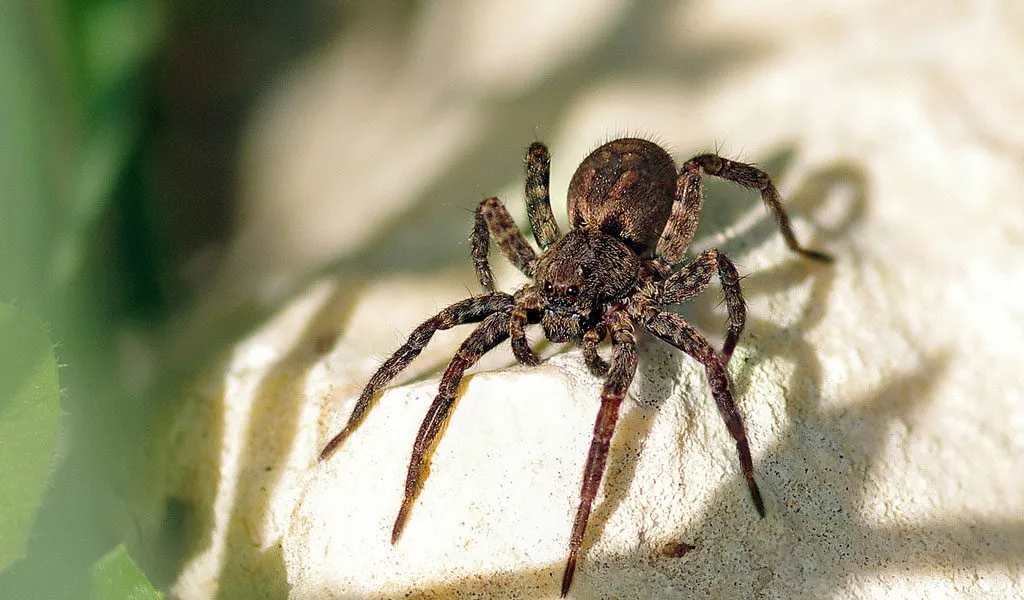
The world of arachnids is vast and fascinating, populated by creatures of incredible diversity. Among these, spiders that bear a striking resemblance to tarantulas often capture the attention of both enthusiasts and those with a passing interest in wildlife. These spiders, while not true tarantulas, have evolved to mimic their larger cousins, often exhibiting similar physical characteristics and behaviors. This article delves into the captivating realm of tarantula-like spiders, exploring their features, habitats, and defensive strategies. Prepare to discover the hidden wonders of these remarkable arachnids and learn to identify the key characteristics that set them apart. They are often mistaken for each other, and this article is made to resolve these doubts and fears.
What are Tarantula-Like Spiders
Tarantula-like spiders are a diverse group of arachnids that, due to convergent evolution, exhibit characteristics similar to those of tarantulas. This resemblance can include size, body shape, hairiness, and even some behaviors. However, they are not closely related to tarantulas in terms of taxonomy. The term “tarantula-like” is more descriptive than scientific, used to denote spiders that visually mimic the appearance of tarantulas. These spiders often fill similar ecological niches, capitalizing on the predatory strategies that have made tarantulas successful. They may be found in a variety of habitats, from deserts to forests, and often employ camouflage and ambush tactics to capture their prey.
Physical Characteristics of Tarantula-Like Spiders
Understanding the physical characteristics of tarantula-like spiders is key to distinguishing them from other arachnids. While the specifics vary from species to species, several common features are shared. These include body size, the presence and density of hairs, and coloration patterns. These characteristics play a crucial role in both their survival and their ability to blend into their environments. These spiders often use these physical traits to their advantage, whether it’s for hunting, defense, or attracting a mate. Learning about these traits can also help you identify these spiders in the wild, especially if you are interested in them, or wish to take a closer look.
Size and Appearance

Many tarantula-like spiders are relatively large, often measuring several inches in leg span. Their bodies are typically robust, with a cephalothorax (the combined head and thorax) and an abdomen. The overall shape is generally bulky, reflecting their predatory lifestyle. Some species are covered in dense hairs, giving them a fuzzy appearance, while others have a smoother exoskeleton. These physical traits not only help them blend in with their surroundings, but also aid in sensory perception. The size and appearance can vary, but the key element is a strong body.
Coloration and Markings
The coloration of tarantula-like spiders ranges from earthy browns and grays to vibrant reds and blacks. This coloration serves as camouflage, helping them to blend in with their environment and ambush prey. Many species have intricate patterns and markings on their bodies, adding to their distinctive appearance. The color can depend on where they live, and the surroundings they are usually around. These markings can be subtle or bold, often depending on the habitat and the need for camouflage. Some spiders may also display aposematic coloration, a warning signal to potential predators that they are venomous or otherwise dangerous.
Where Tarantula-Like Spiders Live
The habitats of tarantula-like spiders are diverse, ranging from deserts and grasslands to forests and tropical regions. Their choice of habitat is largely determined by their specific needs for shelter, prey availability, and climate. Many species are ground-dwelling, constructing burrows or hiding under rocks and logs. Others may be arboreal, living in trees or shrubs. Understanding their habitat preferences is crucial for both observing these spiders in the wild and protecting their natural environments. The ability to adapt to different environments is a testament to their resilience as a species. They thrive in the locations that suit them best.
Habitat Preferences

Most tarantula-like spiders prefer habitats that provide ample cover and protection from predators. This can include burrows in the ground, crevices in rocks, or dense vegetation. The availability of prey is another critical factor, as these spiders are primarily carnivorous. They often thrive in areas with high insect populations, such as grasslands, forests, and gardens. Some species are adapted to arid environments, while others prefer humid, tropical climates. The habitat preference can also dictate their behaviour; for example, those living in burrows will typically be ambush predators, while those in open environments may actively hunt.
Geographical Distribution
Tarantula-like spiders are found on every continent except Antarctica. Their distribution varies widely, with some species having broad ranges and others being endemic to specific regions. The distribution patterns are often influenced by factors such as climate, habitat availability, and historical events. Some species are more common in tropical and subtropical regions, while others are adapted to temperate or even colder climates. Understanding the geographical distribution of these spiders can help scientists track their populations, study their evolution, and assess the potential impact of environmental changes on their survival. Their presence is a testament to their ability to adapt.
Top Tarantula-Like Spiders to Know
Several species of spiders exhibit a particularly striking resemblance to tarantulas, making them prime examples of this convergent evolution. These spiders have evolved to occupy similar ecological niches as tarantulas, often employing comparable hunting and defensive strategies. This section highlights some of the most well-known and frequently encountered tarantula-like spiders, detailing their key features and distinguishing characteristics. The most important part is to distinguish them, to know their differences, and to identify them in their respective habitats.
The Camel Spider

Camel spiders, also known as sun spiders or wind scorpions, are not true spiders but are arachnids belonging to the order Solifugae. They are characterized by their large size, powerful jaws (chelicerae), and their ability to move incredibly fast. While not venomous, they can deliver a painful bite. Camel spiders are commonly found in arid and semi-arid environments and are known for their aggressive predatory behavior, often feeding on insects, small vertebrates, and even other arachnids. They have a distinct appearance with large chelicerae that they use for crushing their prey. They are a unique species in their own right.
The Wolf Spider
Wolf spiders belong to the family Lycosidae, known for their excellent hunting skills and their habit of actively pursuing their prey. They are commonly found in a wide range of habitats, including grasslands, forests, and gardens. Wolf spiders are generally hairy and have a robust build, with excellent eyesight that helps them to locate prey. They do not build webs to catch their prey but instead hunt on the ground. Some wolf spiders are known for carrying their egg sacs on their spinnerets, and the spiderlings ride on their mother’s back. They are a common species, and they are widespread.
The Huntsman Spider
Huntsman spiders, of the family Sparassidae, are known for their large size and their ability to move quickly across surfaces. They are often found in tropical and subtropical regions and are frequently encountered in homes. These spiders are characterized by their flattened body shape and their legs that extend sideways, allowing them to squeeze into tight spaces. They are not considered dangerous to humans, though their size can be intimidating. They are active hunters and feed on insects and other invertebrates. They are also known for their maternal care, with females protecting their eggs and spiderlings. They are not poisonous, and they are relatively harmless.
Defensive Strategies of Tarantula-Like Spiders

Tarantula-like spiders have developed a range of defensive strategies to protect themselves from predators. These strategies include the use of venom, physical defenses, and various behavioral adaptations. Their survival depends on their ability to evade predators, and these spiders have become quite adept at doing so. The defenses can vary greatly depending on the species and their environment, with some species employing multiple defense mechanisms. In addition to these they also try to run away and find somewhere to hide.
Venom and Bites
Many tarantula-like spiders possess venom, which they use to subdue their prey. While the venom of most species is not considered deadly to humans, it can cause pain and localized symptoms such as swelling and redness. The severity of the bite can vary depending on the species, the amount of venom injected, and the individual’s sensitivity. In some cases, medical attention may be required, especially if the symptoms are severe or if there are signs of an allergic reaction. It is important to exercise caution around these spiders and avoid provoking them, as bites are often a defensive reaction. It is important to stay calm if bitten.
Other Defense Mechanisms
In addition to venom, tarantula-like spiders employ a variety of other defense mechanisms. These can include the use of urticating hairs (in some species), which can cause skin irritation, and the release of foul-smelling odors to deter predators. Some species may also engage in defensive postures, such as rearing up or raising their fangs, to appear larger and more threatening. Camouflage and the ability to quickly flee are also important defense strategies. Many species rely on speed and agility to escape danger. These spiders are often very fast, and can move quicker than the human eye can see.
In conclusion, tarantula-like spiders offer a fascinating glimpse into the wonders of arachnid evolution. While not true tarantulas, their physical similarities and ecological adaptations showcase the power of convergent evolution. From the fast-moving camel spider to the hairy wolf spider and the formidable huntsman spider, these arachnids have carved out a unique niche in their respective habitats. By understanding their characteristics, habitats, and defensive strategies, we can appreciate the diversity and resilience of these intriguing creatures. They are amazing creatures.