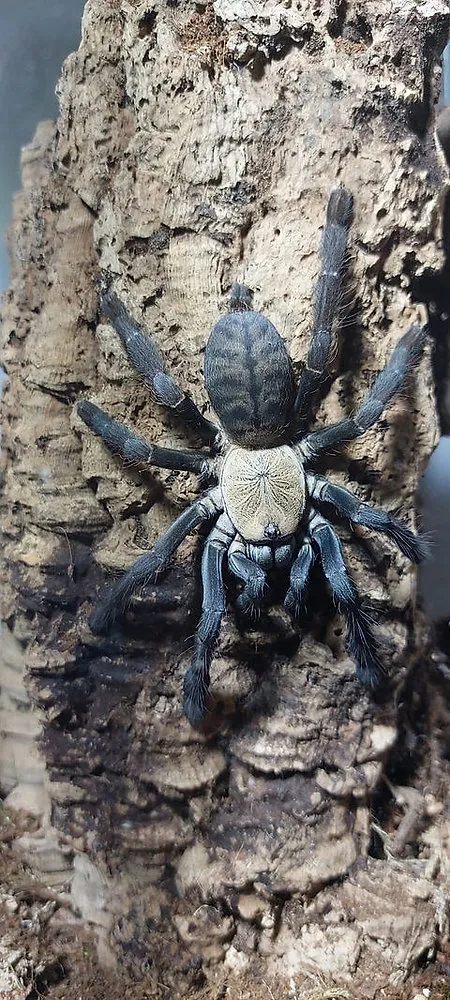
What is the Max Size of a Tarantula
The world of tarantulas is filled with fascinating creatures, and one of the most common questions revolves around their size. Understanding the maximum size a tarantula can reach is crucial for both enthusiasts and those considering owning one. While the term “max size” can be a bit misleading, as it varies greatly depending on the species, it generally refers to the total leg span of the tarantula, measured from the tip of one leg to the tip of the opposite leg when the tarantula is fully extended. This measurement provides a good indication of the tarantula’s overall size and its potential growth throughout its lifespan. It’s important to remember that tarantulas, like all living organisms, continue to grow throughout their lives until they reach their adult stage. Different tarantula species have varied growth rates, leading to substantial differences in maximum sizes.
Factors Influencing Tarantula Size
Several factors significantly influence a tarantula’s ultimate size. These factors can be broadly categorized into genetic predispositions, nutritional intake, and environmental conditions. Understanding these aspects allows for better care and provides insight into the potential size range for a particular tarantula. Proper management of these factors ensures tarantulas can reach their full potential and thrive in captivity.
Genetics

Just like humans, genetics play a fundamental role in determining the maximum size of a tarantula. Each species is genetically programmed with a size range, and individual tarantulas within that species will vary slightly based on their inherited traits. For instance, a species known for being larger, such as the Goliath Birdeater, will typically have a larger maximum size compared to a smaller species, like the Trinidad Olive. Selective breeding in some instances can also influence size, though this is less common in tarantulas compared to other pets. The genetic blueprint determines the basic size capabilities, setting the foundation for how large a tarantula can ultimately grow.
Nutrition
Nutrition is another critical factor. A tarantula’s diet directly impacts its growth rate and overall size. A well-balanced diet that provides the necessary nutrients, including proteins, fats, and vitamins, is essential for healthy development. Tarantulas that receive inadequate nutrition may not reach their full size potential. In captivity, tarantulas are typically fed insects such as crickets, mealworms, and roaches. The size and frequency of feeding need to be adjusted based on the tarantula’s age, species, and molting cycle. Overfeeding can lead to rapid growth, but also potentially health issues, while underfeeding can stunt growth. The right balance ensures optimal size and health.
Environment
The environment in which a tarantula lives also contributes significantly to its size. Temperature, humidity, and the size of the enclosure all play vital roles. Maintaining the correct temperature and humidity levels is essential for a tarantula’s health and molting process. A too-dry environment can lead to molting problems and potentially affect growth. The enclosure size also matters, as a cramped environment can inhibit movement and development. The enclosure should be large enough to allow the tarantula to move around comfortably and to provide adequate space for burrowing or hiding, depending on the species. Providing a suitable substrate is also important. The substrate helps maintain humidity levels and can also impact the tarantula’s well-being and, indirectly, its growth.
Species Differences

The maximum size of tarantulas varies significantly depending on the species. Some species are naturally larger, while others are smaller, and some fall in between. Understanding these differences helps in choosing the right tarantula and providing appropriate care. Tarantulas are generally classified into two broad categories based on their geographical origin Old World and New World tarantulas, and the sizes can vary considerably between these groups.
New World Tarantulas
New World tarantulas, originating from the Americas, are generally known for being less defensive and having urticating hairs, which they use for defense. Species like the Chilean Rose Hair tarantula are relatively smaller, with an average leg span of 5-6 inches. Others, like the Goliath Birdeater, are among the largest tarantulas in the world, reaching leg spans of over 10 inches or more. New World species vary widely in size, making it important to research the specific species when considering one as a pet.
Old World Tarantulas
Old World tarantulas, which come from Asia, Africa, and Australia, are often known for their potent venom and more defensive behaviors. These tarantulas typically have faster reflexes and may be more likely to bite if threatened. The sizes of Old World species also vary. Some, like the Indian Ornamental, are relatively large, while others are smaller. Because of their potentially defensive behaviors, it’s crucial to be aware of their temperament and handling precautions. When considering an Old World tarantula, proper research and understanding of the species-specific characteristics is essential.
Comparing Tarantula Sizes

Comparing the sizes of different tarantula species helps to put the topic of size into perspective. Some tarantulas are giants, while others are much more modest in size. This comparison is essential for any potential owner to understand the space and resources required. Comparing sizes helps provide context for the wide range within the tarantula family. The Goliath Birdeater is known as one of the largest tarantulas in the world, boasting leg spans that can exceed 10 inches, and sometimes even more. In contrast, smaller species, like the Trinidad Olive, may have leg spans of around 3-4 inches. Comparing the sizes of tarantulas is fascinating and provides insight into the diversity within this group.
The Largest Tarantula Species
The Goliath Birdeater (Theraphosa blondi) holds the distinction of being one of the largest tarantulas in the world. Its leg span can reach up to 12 inches or more. These impressive tarantulas originate from the rainforests of South America. They are known for their substantial size and the loud hissing sound they make when threatened. Another species, the Theraphosa apophysis, is also among the largest tarantulas. While these species are impressive in size, their care requires experience and knowledge due to their size and specific needs.
How to Measure a Tarantula
Measuring a tarantula requires a gentle approach. The most common method involves measuring the leg span from the tip of one leg to the tip of the opposite leg when the tarantula is fully extended. This is typically done using a ruler or a measuring tape. It’s important to handle the tarantula with care, as they can be fragile and easily stressed. For those keeping tarantulas as pets, the measurements can be recorded during molting cycles to track growth. Proper record-keeping can help you monitor the tarantula’s health and overall development.
Conclusion

Understanding tarantula size is critical for both enthusiasts and potential pet owners. From the factors that influence growth to the differences between species, knowing the maximum size helps in providing proper care, setting up suitable habitats, and appreciating these fascinating creatures. Every aspect from genetics to environment, plays a role in a tarantula’s final size. By understanding these elements, we can better care for and admire the diversity within the tarantula family.