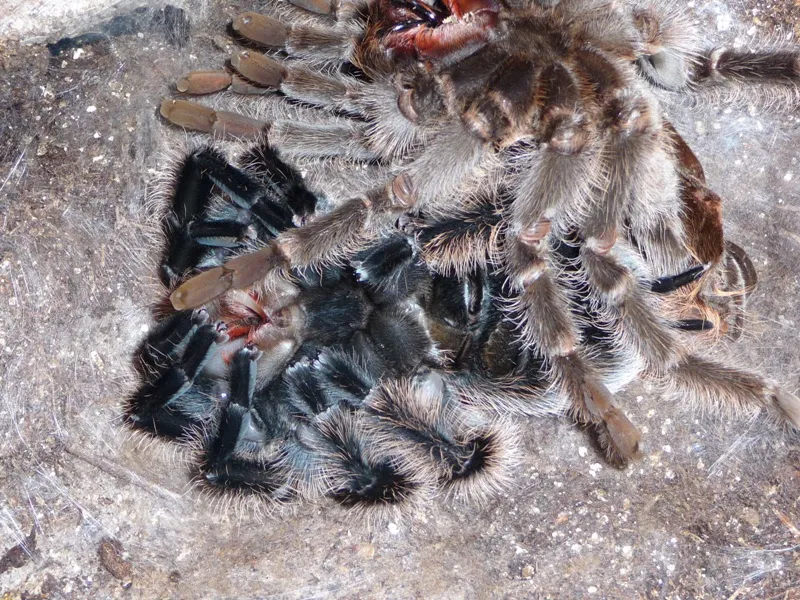
The sight of a tarantula molting is both fascinating and a little unsettling. It’s a natural process, a sign of growth and a chance for the spider to shed its old exoskeleton and reveal a fresh, new one. However, sometimes this crucial event takes a tragic turn. A tarantula dying after molt is a heartbreaking experience for any pet owner. This article delves into the complexities of tarantula molting, shedding light on the process, potential problems, and crucial steps to take to prevent a molt from becoming a disaster. Understanding the intricacies of this process can significantly increase your tarantula’s chances of survival and ensure a long, healthy life.
Why Tarantulas Molt
Molting is fundamental to a tarantula’s life. As arthropods, tarantulas possess an exoskeleton, a rigid outer shell that provides protection and support. This exoskeleton, however, doesn’t grow. Therefore, in order for the tarantula to increase in size, it must shed its old exoskeleton and grow a new, larger one. This process, called molting, occurs periodically throughout the tarantula’s life, with younger tarantulas molting more frequently than adults. Molting also allows tarantulas to regenerate lost limbs and repair damage to their bodies. It is a vital process for growth, healing, and overall health.
The Molting Process Explained
The molting process is a complex and energy-intensive undertaking. It begins internally with the formation of a new, soft exoskeleton beneath the old one. The tarantula then stops eating and becomes lethargic, often spending considerable time in a secluded spot. The spider absorbs fluid, which causes the body to swell and split the old exoskeleton. The tarantula then slowly extracts itself from the old shell, a process that can take several hours or even days. Once the new exoskeleton is free, it is incredibly soft and vulnerable. The tarantula will remain in a vulnerable state until the new exoskeleton hardens, which can take several days or weeks, depending on the size and species.
Preparing for a Successful Molt

Preparing your tarantula for a molt is crucial for a successful outcome. Providing a suitable environment can significantly increase the chances of a positive molting experience. This includes maintaining optimal humidity levels, providing a safe and undisturbed space, and ensuring the tarantula is healthy and well-fed. The better the conditions, the less stress the tarantula will experience during this vulnerable time. Preparing involves more than just setting up the enclosure; it is about creating a complete environment where the tarantula can thrive and molt without unnecessary risks.
Creating the Ideal Environment
The ideal environment is paramount. The enclosure should be appropriately sized for the tarantula, allowing ample space for movement and a sense of security. The substrate should be deep enough to allow the tarantula to burrow if it chooses, providing a natural hiding place and aiding in humidity regulation. Provide a hide, such as a piece of cork bark or a half-log, where the tarantula can retreat and feel secure during the molting process. Avoid any sharp objects or potential hazards within the enclosure that could injure the tarantula during molting. Maintaining a clean and stress-free environment is vital for a successful molt.
Maintaining Proper Humidity
Proper humidity levels are critical for a successful molt. The correct humidity ensures the old exoskeleton doesn’t dry out and become too rigid, hindering the tarantula’s ability to shed it properly. Humidity levels vary depending on the species of tarantula; research the specific needs of your pet. Use a hygrometer to monitor the humidity and mist the enclosure regularly with dechlorinated water to maintain the appropriate level. Ensure there is adequate ventilation to prevent the buildup of mold and mildew. A slightly elevated humidity during the molting period can be beneficial, but always stay within the species’ recommended range.
Avoiding Disturbances During Molt

During the molting process, tarantulas are incredibly vulnerable. Avoid any disturbances that could stress the spider or interfere with the molting process. This includes refraining from handling the tarantula, cleaning the enclosure, or making any sudden changes to the environment. Keep the enclosure in a quiet area, away from loud noises or vibrations. Observe the tarantula from a distance, and resist the urge to interfere unless absolutely necessary. Providing a stress-free environment can greatly improve the chances of a successful molt.
5 Shocking Facts About Tarantula Molt Deaths
Fact 1 Common Causes of Molt Failure
Several factors can contribute to molt failure. These include environmental issues, such as improper humidity or temperature, as well as underlying health problems. A tarantula that is already weak or suffering from a disease is less likely to successfully molt. Inadequate preparation on the part of the owner, or simply poor luck, can lead to the spider getting stuck in its old exoskeleton. Sometimes the spider may not have enough strength to free itself, especially if it is older or has had previous molting difficulties. Understanding these underlying causes is the first step in preventing molt failure.
Fact 2 Dehydration’s Deadly Impact

Dehydration is a significant threat during molting. A dehydrated tarantula has difficulty shedding its old exoskeleton because the tissues are less pliable. The exoskeleton may become too rigid and crack, preventing the spider from extracting itself. Dehydration can also weaken the tarantula, reducing its strength and stamina during the molt. Ensure your tarantula has constant access to fresh water in a shallow dish, especially before a molt. Regularly monitor the water dish and refill it as needed. Proper hydration is crucial for a successful molt and for the overall health of your tarantula.
Fact 3 Injuries During Molting
Injuries can occur during the molting process, particularly if the tarantula struggles to shed its old exoskeleton. These injuries can range from minor cuts and abrasions to more severe limb damage. A tarantula can get stuck in its old exoskeleton, and in its attempts to free itself, it could tear its soft, new exoskeleton. Always make sure to remove any potential hazards in the enclosure before a molt. Should an injury occur during molting, seek advice from a veterinarian experienced in exotic animals to ensure proper care and treatment. Preventing injuries during molting is critical to the spider’s survival.
Fact 4 Parasites and Diseases
Parasites and diseases can weaken a tarantula and make it more susceptible to molting complications. Infestations of mites or other parasites can cause stress and impair the tarantula’s ability to molt successfully. Underlying illnesses can also weaken the spider’s immune system, making it difficult for the tarantula to recover. Regularly inspect your tarantula for signs of parasites or illness. If you suspect a problem, consult a veterinarian immediately. Maintaining good hygiene in the enclosure, providing a balanced diet, and avoiding contact with other potentially infected animals can help prevent parasites and diseases.
Fact 5 Incorrect Environmental Conditions

Incorrect environmental conditions, such as extreme temperatures or humidity levels outside the tarantula’s needs, can wreak havoc on the molting process. Too little or too much humidity can prevent the exoskeleton from shedding correctly, and extreme temperatures can stress the tarantula and interfere with its ability to molt. Research the specific environmental needs of your tarantula species and maintain those conditions consistently. A well-maintained environment is one of the most critical factors for a successful molt. Temperature fluctuations and humidity issues can increase the chance of a molt going wrong.
What to Do if Your Tarantula Fails to Molt
Immediate Actions to Take
If your tarantula is struggling to molt, there are a few immediate actions you can take. First, carefully assess the situation. If the tarantula is stuck, try to gently assist it by moistening the area around the old exoskeleton with a spray bottle. Use a soft brush to help free the stuck portions of the exoskeleton. Be extremely gentle, as the new exoskeleton is very delicate. Do not pull or force the spider out of the old shell, as this could cause injury. Carefully consider whether to intervene or let the process run its course. If unsure, consult with a veterinarian specializing in exotic animals.
When to Seek Veterinary Help

Knowing when to seek veterinary help is crucial. If your tarantula is significantly struggling to molt, showing signs of injury, or appears weak, it’s time to consult a veterinarian specializing in exotic animals. A veterinarian can assess the situation, provide supportive care, and recommend treatments to help the tarantula. They may be able to safely remove parts of the old exoskeleton or address any underlying health problems. Early intervention by a qualified professional can significantly increase the chances of survival, and reduce long-term health complications.
Preventing Future Molt Problems
Optimizing the Habitat
To prevent future problems, optimize the tarantula’s habitat. Provide a species-appropriate enclosure with adequate ventilation and a suitable substrate for burrowing. Maintain the correct temperature and humidity levels, regularly monitoring with a hygrometer and thermometer. Offer a hide for the tarantula to retreat to. Ensure the enclosure is free of hazards. Cleaning the enclosure regularly, without disturbing the tarantula, will also contribute to a healthier environment. A well-maintained habitat lays the foundation for a successful molt and a healthy tarantula.
Proper Feeding and Hydration

Proper feeding and hydration are vital for overall health and successful molting. Feed your tarantula a balanced diet of appropriately sized insects, avoiding overfeeding. Ensure that fresh, clean water is always available in a shallow dish. Dehydration can be a significant contributor to molting problems, so it is essential to ensure your tarantula is adequately hydrated. Offer water droplets on the side of the enclosure as well, and watch for signs of dehydration. A healthy, well-nourished tarantula is more likely to have a successful molt.
In conclusion, while the molting process is inherently risky, understanding the causes of molt-related deaths and taking proactive measures can significantly increase the chances of your tarantula’s survival. By providing a suitable environment, maintaining proper humidity, avoiding disturbances, and addressing any potential health problems, you can help your tarantula molt successfully. Remember, responsible tarantula ownership includes being prepared for the unexpected and seeking professional help when necessary. A healthy, thriving tarantula is a rewarding pet, and your vigilance is the key to its well-being. Good luck!