Understanding Tarantula Molting
Tarantula molting is a fascinating and essential process in the life of these incredible creatures. It’s a natural phenomenon where a tarantula sheds its exoskeleton, revealing a new, larger one underneath. This process isn’t just about growth; it’s also about renewal and repair. During molting, tarantulas can regenerate lost limbs and repair any damage to their bodies. Understanding the intricacies of molting, especially how it relates to their burrow environment, is crucial for any tarantula owner or enthusiast. This knowledge helps in providing the optimal care and ensuring the well-being of these captivating arachnids. The act of molting is a delicate and vulnerable time for tarantulas, making their environment, particularly their burrow, of utmost importance.
What is Molting
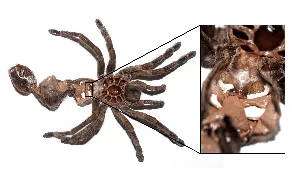
Molting, or ecdysis, is the process by which a tarantula sheds its old exoskeleton. The exoskeleton, made of chitin, doesn’t grow, so as the tarantula grows, it must shed this outer layer. Inside the old exoskeleton, a new, soft one has been developing. When the time is right, the tarantula will begin the molting process. This involves the tarantula absorbing fluids, which helps it to split the old exoskeleton. The process can take anywhere from a few hours to several days, depending on the size and health of the tarantula. Molting is not just a way for tarantulas to grow, it’s also a way to replace damaged or worn body parts, such as lost legs, and to get rid of parasites. The newly molted tarantula is significantly more vulnerable until its new exoskeleton hardens.
The Molting Process
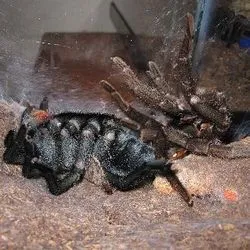
The molting process is a complex series of events. It begins with the tarantula preparing its burrow, creating a safe and secluded space. Inside this burrow, the tarantula will often lay on its back. The process starts with the tarantula absorbing fluid, causing the old exoskeleton to split. It then wriggles out of the old exoskeleton, leaving behind its old skin. The new exoskeleton is soft and vulnerable at this stage. The tarantula will remain in this position for several hours or even days while the new exoskeleton hardens. During this time, it is crucial to avoid any disturbances. The tarantula is extremely vulnerable and can easily be injured. The entire molting process, from preparation to the hardening of the new exoskeleton, can take several weeks to complete, particularly in larger tarantula species.
Recognizing Molting in Burrows
Recognizing the signs of molting is essential for providing proper care. Tarantulas often exhibit specific behaviors and physical changes before molting. This is particularly important in a burrow environment, as you won’t always have a clear view. Observing these signs helps to ensure that you can avoid disturbing your tarantula during this critical period. The burrow itself may undergo changes as the tarantula prepares for the molt. Understanding these signs allows you to adjust your care routine accordingly, providing a safe and stress-free environment that supports successful molting. It also gives you peace of mind, knowing that your tarantula is going through a natural and healthy process.
Behavioral Clues
Changes in behavior are often the first indication that a tarantula is preparing to molt. A tarantula may become more reclusive, spending more time in its burrow. It might stop eating, sometimes for weeks or even months before molting. The tarantula may also become less active, moving around less than usual. The burrow itself can provide clues, such as the tarantula sealing off the entrance or creating a more elaborate web structure inside. These behaviors are the tarantula’s way of signaling that it’s entering a vulnerable stage and needs a secure environment. Careful observation of these behavioral changes helps you anticipate the molting process and provide the necessary support.
Physical Signs

Physical changes are another clear indication of an upcoming molt. The tarantula’s abdomen may appear darker or swollen. The new exoskeleton starts to form underneath the old one, causing the separation between the old and new layers. You might notice a change in color as the old exoskeleton starts to separate. In some cases, the tarantula’s legs may appear to be ‘plump’ or swollen. These physical changes are indicators that the molting process is underway. As the tarantula prepares to molt, the old exoskeleton will begin to split, usually along the carapace, allowing the tarantula to emerge. Recognizing these physical signs will allow you to prepare your tarantula’s habitat.
The Role of the Burrow
The burrow plays a crucial role in the molting process. It provides a safe and secure environment where the tarantula can molt without being disturbed. The burrow’s walls offer support, allowing the tarantula to position itself correctly during the molt. The humidity within the burrow is also important, as it helps to soften the old exoskeleton, making it easier for the tarantula to shed. The burrow also provides a microclimate that helps regulate the temperature and humidity, crucial for the tarantula’s well-being during this vulnerable time. The burrow becomes a sanctuary where the tarantula can focus on the molting process without the added stress of environmental threats. Therefore, the burrow construction and maintenance are fundamental to a successful molt.
Burrow Environment and Molting
The environment inside the burrow directly impacts the success of the molting process. The correct humidity level is essential to facilitate the shedding of the old exoskeleton. Too little humidity can lead to a stuck molt, while excessive humidity can create other problems. Temperature also plays a role, with a stable and appropriate temperature range being crucial for the tarantula’s comfort and the proper functioning of its bodily processes. A substrate that allows the tarantula to create a suitable burrow is also important. The substrate should retain moisture, allowing the tarantula to maintain the required humidity level. Any disturbances, such as vibrations or sudden changes in temperature or humidity, can stress the tarantula and hinder the molting process.
Burrow Construction and Molting

The way a tarantula constructs its burrow is often an indicator of its molting readiness. Before molting, tarantulas often modify their burrows. They may seal off the entrance or create a more elaborate webbing structure inside. This modified burrow serves to provide additional security and maintain the required humidity level. The construction of the burrow also offers the tarantula the necessary space to maneuver during molting. A well-constructed burrow provides a stable platform for the tarantula to position itself, making the molting process easier. The substrate should allow the tarantula to dig and shape the burrow to its needs, making sure the environment is perfect for this vital process.
Maximizing Molting Success
Ensuring a successful molt requires careful planning and consistent care. Creating and maintaining the right environment, avoiding disturbances, and knowing how to react to problems are crucial steps. By paying close attention to these details, you can significantly increase the chances of a healthy and successful molt, safeguarding the well-being of your tarantula. The environment needs to be right, disturbances must be kept at bay, and any potential issues need to be addressed quickly. Remember that molting is a stressful time for a tarantula, so minimizing stress and providing the best possible conditions is essential.
Providing the Right Environment
Providing the right environment is the first step towards a successful molt. This involves maintaining the correct temperature and humidity levels in the enclosure. The substrate should be appropriate for burrowing and should retain moisture. It’s also important to ensure that the enclosure is clean and free from any potential hazards. The size of the enclosure matters, making sure it provides enough space for the tarantula to move around and construct its burrow. Regular monitoring of the temperature and humidity and making necessary adjustments are vital. Having a suitable environment is the foundation for ensuring a safe and stress-free molting process.
Avoiding Disturbances

Avoiding disturbances is equally important during the molting process. This means keeping the enclosure in a quiet area, away from loud noises and vibrations. Avoid handling the tarantula during this time, as it is extremely vulnerable. Refrain from opening the enclosure unless absolutely necessary. Minimize any sudden changes in temperature or humidity. By minimizing the stress and preventing unwanted interference, you provide the best conditions for the tarantula to molt safely. The absence of disturbances enables the tarantula to focus solely on molting, increasing the likelihood of a healthy outcome.
Post-Molting Care
Post-molting care is essential to ensure the tarantula recovers properly. Once the tarantula has molted, it will be soft and vulnerable. Allow the tarantula time to harden its new exoskeleton before resuming normal care routines. Avoid feeding the tarantula for a few days after the molt, as its fangs will not be fully hardened. Provide fresh water and maintain the correct humidity levels. Observe the tarantula for any signs of problems, such as difficulty moving or unusual behavior. By providing appropriate care after the molt, you are supporting the tarantula’s recovery and ensuring its long-term health.
Feeding and Hydration
After molting, the tarantula needs time to regain its strength. Wait a few days before offering food, as the fangs need to harden. Start with smaller prey items to avoid overwhelming the tarantula. Provide fresh water to ensure the tarantula stays hydrated. The tarantula will be very hungry after molting. Observe the tarantula eating to make sure everything is going well. The goal is to help the tarantula replenish its energy and resume its normal activities. Providing the right diet and ensuring access to clean water are critical to the recovery process.
Handling and Observation
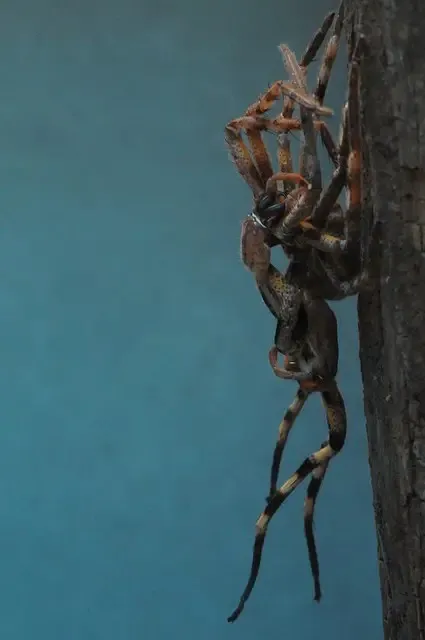
Avoid handling the tarantula for at least a week after the molt. The exoskeleton needs time to fully harden. Observe the tarantula from a distance to monitor its behavior and look for any signs of problems. Note the appearance of the new exoskeleton. Are the colors vibrant and the legs moving well? Look for any signs of injury or illness. Handling should be postponed until the tarantula is clearly strong and fully recovered. Regular observation allows you to detect any potential issues early on, ensuring timely intervention if needed. Careful monitoring is key to ensuring your tarantula’s health.
Troubleshooting Molting Problems
Even with the best care, problems can sometimes occur during the molting process. Knowing how to identify and address these problems is crucial for the tarantula’s survival. The most common issues include stuck molts and dehydration. Prompt action can often save a tarantula from a life-threatening situation. Being prepared for the potential issues and knowing the proper response can make a significant difference in the outcome. Understanding what to do if problems arise is an essential part of responsible tarantula ownership.
Stuck Molts
A stuck molt occurs when a tarantula is unable to completely shed its old exoskeleton. This can be caused by low humidity, a poor environment, or other health issues. If you see a tarantula struggling to molt, you might need to intervene. Increase the humidity in the enclosure. You can carefully assist the tarantula by gently removing the old exoskeleton, but only if necessary and with extreme caution. A vet visit might be necessary in severe cases. Preventing stuck molts involves providing the right environment and monitoring your tarantula’s health. Early intervention is crucial to prevent complications.
Dehydration
Dehydration is another problem that can affect tarantulas, especially during molting. If a tarantula is dehydrated, it can struggle to molt successfully. Symptoms of dehydration include a shriveled abdomen and sluggish behavior. Ensuring your tarantula has access to fresh water is crucial. Maintaining the right humidity levels in the enclosure will also help prevent dehydration. If you suspect your tarantula is dehydrated, you can provide extra moisture by misting the enclosure. Severe cases may require veterinary intervention. Prevention through proper care and early intervention are key to addressing dehydration issues.
In conclusion, understanding the secrets of tarantula molting in burrows is vital for anyone caring for these fascinating creatures. From recognizing the signs of an upcoming molt to providing the optimal environment and knowing how to address potential problems, careful observation and informed care will contribute to the tarantula’s overall well-being. By following these guidelines, you will be well-equipped to support your tarantula through this crucial process, fostering a healthy and thriving environment where these amazing arachnids can flourish. The success of molting depends largely on the environment, and by paying attention to detail, tarantula owners can ensure that their pets have a long and healthy life.