What is Tarantula Molting
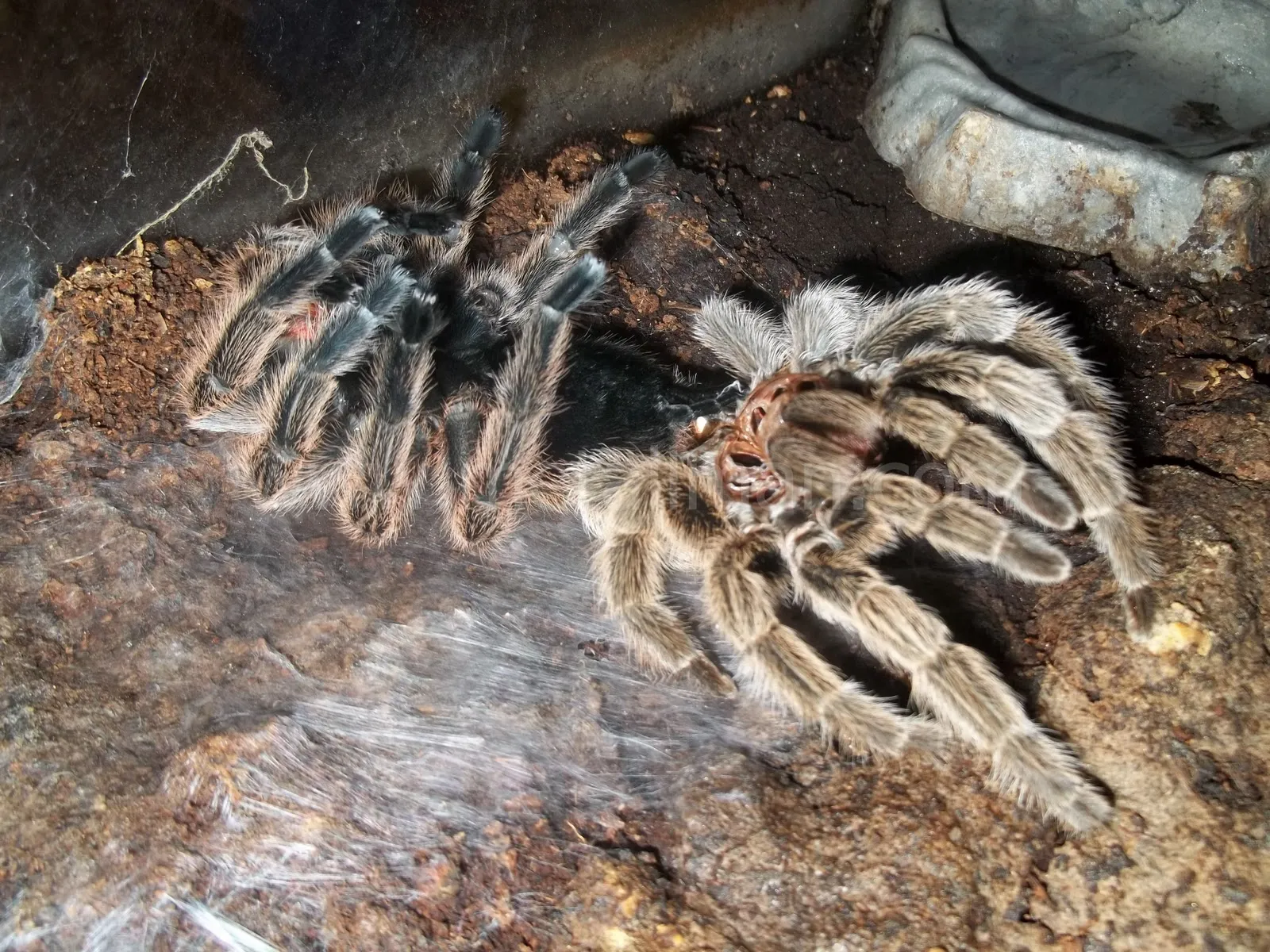
Tarantula molting, also known as ecdysis, is the process by which a tarantula sheds its exoskeleton, or outer layer. This is a fundamental aspect of their growth and development, as their hard exoskeleton doesn’t allow for continuous growth. During molting, the tarantula essentially crawls out of its old skin, revealing a new, larger one underneath. This is a vulnerable time for the tarantula, as the new exoskeleton is initially soft and pliable, making it susceptible to injury. The process is crucial for the spider’s health, allowing it to regenerate lost limbs, replace internal organs, and rid itself of parasites.
Understanding the Molting Process
The molting process is a complex physiological event. It begins with the formation of a new exoskeleton beneath the old one. Enzymes are secreted between the old and new exoskeletons, breaking down the old one from the inside out. The tarantula then absorbs the old exoskeleton’s materials, such as calcium, for use in the new one. Prior to the molt, the tarantula often stops eating and may become less active. As the process nears, the tarantula will position itself on its back, a posture that aids in shedding the old skin. The process can take anywhere from a few minutes to several hours, depending on the tarantula’s size and the environmental conditions.
How Often Do Tarantulas Molt

The frequency of molting varies greatly depending on the tarantula’s age, species, and environmental conditions. Juvenile tarantulas, especially those that are rapidly growing, may molt several times a year, sometimes even more frequently. As the tarantula matures, the molting frequency decreases. Adult tarantulas typically molt once a year or even less frequently, depending on the species. Certain factors, such as temperature, humidity, and the availability of food, can also influence the molting schedule. It is important to monitor the tarantula’s behavior and appearance for signs that a molt is approaching.
Factors Influencing Molting Frequency
Several factors impact how often a tarantula molts. Young tarantulas molt more frequently to accommodate rapid growth; with each molt, they increase in size. Species also plays a role; fast-growing species may molt more often than slower-growing ones. Environmental factors like temperature and humidity are also crucial. Optimal conditions (usually warm and humid) can promote molting, while unfavorable conditions might delay it. Nutrition significantly affects molting. A well-fed tarantula is more likely to molt successfully. Finally, overall health and well-being play a key role, as a healthy tarantula is more likely to molt regularly.
Preparing for the Molt
Preparing for a tarantula molt involves several key steps. First, it’s important to observe the tarantula’s behavior and look for signs of an impending molt, like reduced appetite, lethargy, and a darkening of the abdomen. Ensure the enclosure is clean and free of any potential hazards, such as sharp objects, that could injure the tarantula during the process. Maintain the appropriate temperature and humidity levels for the specific tarantula species; this provides an ideal environment for molting. Most importantly, avoid disturbing the tarantula during the molting process, as stress can interrupt the molt. Provide a shallow water dish for hydration and do not feed the tarantula until after it has successfully molted and its new exoskeleton has hardened.
Creating an Ideal Environment

Creating an ideal environment is critical for a successful molt. The enclosure should have the correct temperature and humidity levels, as tarantulas thrive in specific climate conditions. Provide a substrate that the tarantula can burrow in, as this offers security and aids in the molting process. Ensure the enclosure is free from potential hazards, like sharp decorations or improperly secured items. A shallow water dish should always be available for hydration. It is important to avoid any disturbances during the molt itself. Minimize handling and avoid loud noises or vibrations that could stress the tarantula. Maintaining these conditions helps to reduce the risk of molting problems.
Signs Your Tarantula Will Molt Soon
Recognizing the signs that your tarantula is about to molt can help you prepare and ensure the process goes smoothly. A key indicator is a decrease in appetite; the tarantula may stop eating altogether for several weeks before molting. The abdomen may appear darker or more translucent, as the new exoskeleton forms beneath. The tarantula may become less active and spend more time in a secluded area of the enclosure. You might also observe the tarantula starting to prepare a molting mat, a small webbed area where it will position itself. Be patient and avoid any disturbances during this time, as these signs indicate a crucial stage in your tarantula’s life cycle.
Recognizing Pre-Molt Behavior
Understanding pre-molt behavior is crucial for tarantula owners. The tarantula will usually exhibit decreased appetite, often refusing food for several weeks. They might become more reclusive, spending more time hidden away in their burrow or under a hide. A change in their abdomen’s appearance is also common, with the abdomen appearing darker or more swollen. The tarantula might also start to build a molting mat, a silk web to cushion its fall during the molt. Recognizing these behaviors allows you to prepare for the molt by ensuring the enclosure is undisturbed and providing a suitable environment, promoting a successful molting experience.
The Molting Process Step-by-Step

The molting process is a remarkable spectacle. It begins with the tarantula positioning itself, usually on its back. The exoskeleton splits, typically along the carapace (the top of its head) and sometimes the abdomen. The tarantula then slowly wriggles out of its old skin, a process that can take several hours. The tarantula must carefully extract its legs, fangs, and other body parts from the old exoskeleton. After shedding its old skin, the tarantula appears soft and pale, with a new, larger exoskeleton underneath. The tarantula then needs time to recover, as its new exoskeleton hardens, allowing it to grow and thrive. Do not disturb the spider during this vulnerable time.
Filming the Molt
Capturing a tarantula molting time-lapse video is an exciting project. It offers a unique perspective on this fascinating process. The first step is to prepare your enclosure and ensure the tarantula is in a safe, undisturbed environment. Setting up your camera in a way that allows for continuous recording is essential; many cameras offer time-lapse functions, or you can use intervalometers. Before the molt begins, position your camera and test the lighting to ensure clear visibility throughout the process. Regularly check your equipment to ensure the recording is progressing well. Once the molting starts, you have the unique opportunity to share this amazing moment with others.
Setting Up Your Camera
Setting up your camera correctly is crucial for a successful time-lapse. Choose a camera with good video quality and time-lapse capabilities. Consider using a tripod for stability. Position the camera to provide a clear view of the entire enclosure, ensuring the tarantula will be fully visible. Test the lighting to ensure it provides consistent illumination throughout the duration of the molt, avoiding shadows or glare. Set the camera to record at regular intervals, depending on the expected duration of the molt. Using a camera with external power options prevents running out of power during the filming process. Ensure your camera has enough storage space for the entire time-lapse sequence.
Time-Lapse Techniques
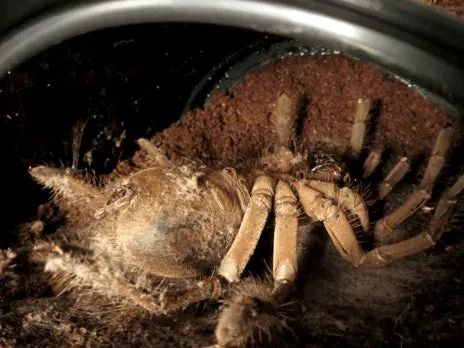
Creating an effective time-lapse requires careful planning and execution. First, determine the ideal interval between shots. Shorter intervals will result in a smoother video, but also require more storage space and battery life. Adjust the camera settings to ensure the images are well-exposed and in focus. Use a consistent light source to avoid changes in brightness throughout the time-lapse. Monitor your camera setup periodically to ensure that everything is working correctly. Experiment with different angles and perspectives to capture the molt from the best vantage points. Once the molting process is complete, you can edit the individual photos or frames into a time-lapse video using video editing software.
Post-Molt Care
Caring for your tarantula after a molt requires a cautious approach. The tarantula’s new exoskeleton is initially soft, so avoid handling the spider for at least a week, until it has fully hardened. Maintain the appropriate temperature and humidity levels for its species. Do not feed the tarantula immediately after molting. Wait at least a week, or until the fangs have hardened, and then offer a small, easily digestible meal, like a pre-killed insect. Closely monitor the tarantula’s behavior, ensuring it is eating and behaving normally. The tarantula is now more vulnerable than normal, so provide a stress-free environment.
Feeding Your Tarantula After Molting
Feeding your tarantula after a molt is an important step in its recovery. Wait until the new exoskeleton has hardened, usually about a week after the molt. Offer the tarantula a small, easily digestible meal, like a cricket or other appropriate insect. Start with a small portion to prevent overfeeding and observe whether the tarantula is ready to eat. Do not offer food that is too large. If the tarantula doesn’t eat immediately, do not be alarmed. Some tarantulas may take a few days to regain their appetite. Ensure that the tarantula has access to fresh water, and carefully monitor its feeding behavior to ensure it is eating and behaving normally. Gradually increase the size of the meals.
Checking for New Growth
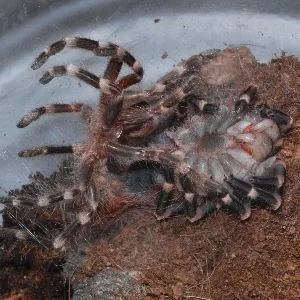
After a molt, it is important to check for new growth. During the molting process, the tarantula sheds its old exoskeleton and reveals a new, larger one beneath. Inspect the tarantula’s fangs, legs, and body for any missing or damaged parts. The tarantula should appear larger. Observe for any new coloration or patterns on the tarantula. By carefully examining the tarantula after a molt, you can assess the success of the molting process and identify any potential health issues. This observation also allows you to celebrate the growth and development of your tarantula.
Common Molting Issues
While molting is a natural process, sometimes issues can occur. One common problem is incomplete molting, where the tarantula struggles to shed its entire exoskeleton. This can be caused by low humidity, improper temperature, or health issues. Another concern is limb loss during the molt. If the tarantula is stressed or if its old skin is too dry, it can lose limbs. Stuck fangs, where the fangs remain stuck in the old exoskeleton, can also happen. If you observe any of these issues, it’s best to consult with a veterinarian or an experienced tarantula keeper for guidance. Preventative measures such as maintaining ideal environmental conditions, and avoiding disturbance, can greatly help in successful molts.
Dealing with Molting Problems
When dealing with molting problems, immediate action is crucial. If your tarantula is struggling to molt, carefully assess the situation. Low humidity might be a factor; you can gently increase humidity levels by misting the enclosure. Avoid disturbing the tarantula. If the tarantula is unable to shed its exoskeleton completely, consult an experienced keeper or veterinarian. They might be able to carefully assist the spider. If the tarantula has lost limbs, provide a safe environment, and ensure the tarantula can access food and water. Prevention is better than cure. Make sure the environment is set up correctly. Observing the tarantula’s behavior and understanding the molting process will greatly increase the chances of a successful molt.