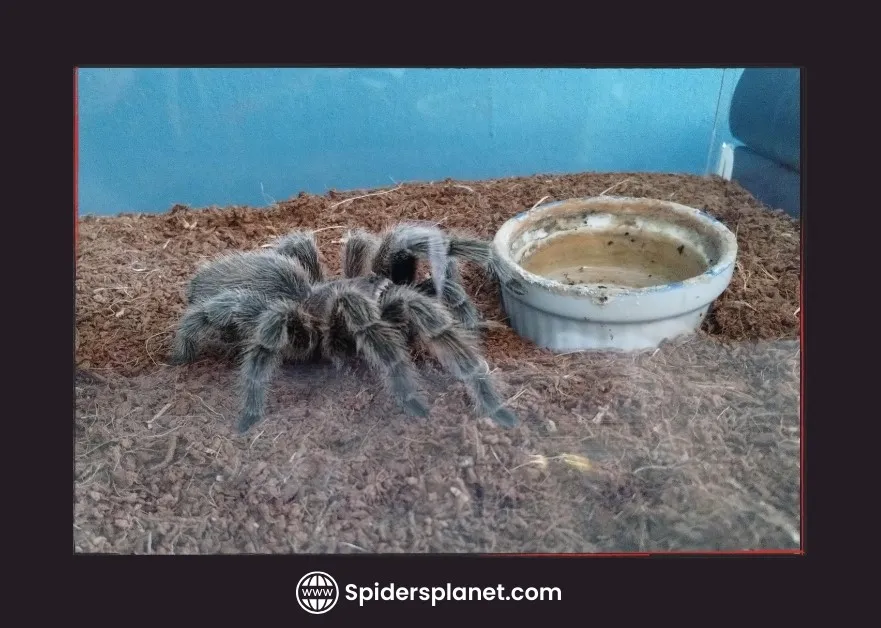
Is Your New Tarantula Not Eating?
Bringing home a new tarantula is an exciting experience, but it’s natural to feel concerned if your new pet refuses to eat. Tarantulas, like all living creatures, can experience periods of fasting for various reasons. Understanding these reasons is crucial for ensuring your tarantula’s health and well-being. This guide will explore the top five things to know when your new tarantula isn’t eating, providing you with the knowledge to address the issue effectively. From environmental factors to pre-molting behavior, we’ll cover the common causes and solutions to help your eight-legged friend thrive. Remember, patience and observation are key when caring for these fascinating creatures.
Understanding the Reasons for a Fasting Tarantula
Tarantulas can fast for many reasons, and it’s often a normal part of their life cycle. However, prolonged fasting can be a sign of an underlying issue. Recognizing the common causes is the first step in determining the appropriate course of action. Several factors can contribute to a tarantula’s lack of appetite, including stress, environmental conditions, the molting process, potential illnesses, and feeding preferences. This section will delve into the most prevalent reasons, helping you to narrow down the cause of your tarantula’s refusal to eat. Being informed about these causes can make it easier to identify and resolve the problem, ensuring your tarantula’s health.
Stress and Acclimation

The move to a new environment can be a stressful experience for a tarantula. Tarantulas are sensitive creatures, and changes in their surroundings can significantly impact their behavior, including their eating habits. The journey from the breeder or pet store to your home can be overwhelming. During the initial adjustment period, a tarantula may refuse to eat. Provide a quiet and secure enclosure where the tarantula can acclimate without disturbance. Minimize handling and avoid any unnecessary changes to their environment. Allow your tarantula time to settle in before offering food. The tarantula may be stressed and not eating (tarantula-not-eating-stress.webp).
Environmental Factors
The environment in which your tarantula lives plays a vital role in its well-being and appetite. Incorrect environmental conditions can cause stress, which can lead to a tarantula refusing food. It’s essential to ensure that your tarantula’s enclosure provides an optimal habitat to encourage a healthy appetite. Temperature, humidity, and the size and setup of the enclosure all impact the tarantula’s willingness to eat. Monitoring and adjusting these factors can be crucial in solving the problem of a tarantula not eating. Proper environmental conditions reduce stress and make the tarantula feel more secure.
Temperature and Humidity
Maintaining the correct temperature and humidity levels is essential for a tarantula’s health and appetite. Each tarantula species has specific requirements, and it’s important to research the needs of your particular species. Generally, most tarantulas thrive in temperatures between 75-85°F (24-29°C). Use a reliable thermometer to monitor the temperature inside the enclosure. Humidity levels should be maintained according to your tarantula’s species. You can use a hygrometer to measure humidity (tarantula-humidity-gauge.webp). Improper humidity can lead to dehydration, making it hard for the tarantula to eat. Adjust the temperature and humidity accordingly using a heat source or by misting the enclosure.
Enclosure Size and Setup

The size and setup of the enclosure can also affect a tarantula’s appetite. A properly sized enclosure allows the tarantula to feel secure and less stressed. Make sure the enclosure is large enough for your tarantula to move around comfortably but not so large that it feels exposed. The substrate should be appropriate for the species and maintain the correct humidity levels. Provide hiding places, such as cork bark or artificial plants, to make the tarantula feel safe. A well-designed enclosure mimics the tarantula’s natural habitat, reducing stress and encouraging the tarantula to eat. The right enclosure can help the tarantula feel relaxed and safe.
Pre-Molting and Molting
Molting is a natural process where tarantulas shed their exoskeleton to grow. During the pre-molt phase, tarantulas often stop eating. This is a sign that they are preparing for the process. The molting process is energy-intensive, and the tarantula will often conserve its energy by not eating beforehand. It is best not to offer food during the pre-molt stage because the tarantula will not be interested. Understanding the signs of pre-molt can help you provide the best care for your tarantula during this time.
Identifying Premolt Signs
Several signs indicate a tarantula is about to molt. The abdomen may appear darker or more swollen. The tarantula may become less active and spend more time in its burrow or hiding place. You might notice a bald spot on the abdomen, which is a common sign of pre-molt (tarantula-premolt-signs.webp). The tarantula’s appetite will decrease or stop altogether. It’s crucial to recognize these signs so you can avoid disturbing the tarantula during the process. Providing a stable environment and leaving the tarantula alone is the best course of action during this time.
The Molting Process

Once the tarantula begins to molt, it will lie on its back. The process can take several hours or even days. Avoid disturbing the tarantula during this time. After molting, the tarantula’s new exoskeleton will be soft and vulnerable. It’s important to wait a week or two before offering food, allowing the new exoskeleton to harden completely. Provide a water dish during and after molting, so the tarantula can stay hydrated. After the molt, the tarantula will likely resume eating, but it is essential to be patient and give it the time it needs to recover.
Parasites and Illness
While less common, parasites or illnesses can also cause a tarantula to stop eating. The health of the tarantula is essential for its appetite. Recognizing the signs of illness and taking steps to prevent parasites can help keep your tarantula healthy and eating. If you suspect your tarantula is ill, it’s essential to seek professional advice from a veterinarian or experienced tarantula keeper.
Signs of Illness
Several signs can indicate a tarantula is sick. These include lethargy, loss of coordination, or unusual behaviors. A tarantula that is constantly on the surface or not in its usual hiding place may be unwell. Physical signs such as a swollen abdomen, discoloration, or discharge can indicate illness (tarantula-parasites.webp). If you observe any of these symptoms, it’s important to seek veterinary advice. Early detection and treatment are crucial for the tarantula’s recovery. It is always best to get expert advice when dealing with any potential health issue to avoid any risks.
Parasite Prevention

Preventing parasites involves maintaining a clean and hygienic environment. Ensure the substrate is clean and changed regularly. Avoid introducing contaminated food or items into the enclosure. Quarantine new tarantulas to observe them for any signs of illness before introducing them to your collection. Proper hygiene and quarantine measures can significantly reduce the risk of parasites. Regular inspection of the enclosure can help you identify and address any potential issues early on. You should try to keep your tarantula safe and clean to avoid any possible health problems.
Food Preferences and Feeding Habits
Tarantulas can be picky eaters, and their food preferences can influence their willingness to eat. The type of prey you offer, its size, and how you present it can all play a role. Understanding the feeding habits of your tarantula and the right prey can help you encourage a healthy appetite. Experimenting with different types of prey may be necessary to find what your tarantula likes. You should know about the right prey for the tarantula to feed it properly.
Choosing the Right Prey
The most common prey for tarantulas include crickets, roaches, mealworms, and other insects. The size of the prey is crucial. It should be no larger than the tarantula’s abdomen. Variety in the diet is essential. It can encourage the tarantula to eat. Some tarantulas may prefer certain types of prey over others. Experiment with different insects to see which your tarantula prefers. Make sure the prey is gut-loaded before feeding it to your tarantula. This will help provide the tarantula with essential nutrients (tarantula-feeding-cricket.webp).
Feeding Frequency

The feeding frequency depends on the tarantula’s age and species. Young tarantulas, or spiderlings, need to be fed more often, typically twice a week. Adult tarantulas can be fed once a week or even less frequently. Observe your tarantula’s behavior. If it consistently refuses food, try reducing the feeding frequency. Avoid overfeeding, which can lead to obesity. Ensure the prey is always available. Adjust the feeding schedule based on the tarantula’s behavior and condition. Proper feeding habits are essential for a healthy tarantula.
What To Do If Your Tarantula is Not Eating?
If your tarantula is not eating, there are several steps you can take to address the problem. Patience and observation are key. Evaluate the environment, try different prey, and, if necessary, consult an expert. Addressing the underlying cause is crucial for resolving the issue. This section provides a guide to help you troubleshoot and take appropriate action.
Adjusting the Environment
Review the environmental conditions in your tarantula’s enclosure. Ensure the temperature and humidity are within the correct range for your species. Make any necessary adjustments. Provide a secure and comfortable enclosure. Check the substrate and ensure it is appropriate for the species and properly maintained. Reduce any potential stressors. Providing the ideal environment is the first step in encouraging your tarantula to eat. Take some time to check your tarantula’s enclosure, because it plays a big role in its health and appetite.
Offering Different Prey

Try offering different types of prey to see if your tarantula has a preference. Some tarantulas are picky eaters and may not like a specific type of insect. Experiment with crickets, roaches, mealworms, and other insects to see which ones your tarantula will eat. Ensure the prey is the appropriate size. Try gut-loading the prey before offering it to your tarantula. Offering a variety of prey can stimulate your tarantula’s appetite. It could be a solution to the problem, if the tarantula does not like the kind of food you are providing.
Consulting an Expert
If you have tried the above steps and your tarantula still refuses to eat, it’s time to seek expert advice. Contact a veterinarian specializing in exotic animals or an experienced tarantula keeper. Provide them with detailed information about your tarantula’s environment, behavior, and the steps you have already taken. They can provide additional guidance and help you identify any potential underlying issues (tarantula-expert-help.webp). Don’t hesitate to seek professional help. It can make a huge difference in the health of the tarantula. Expert advice can give you the best solution to solve the problem.