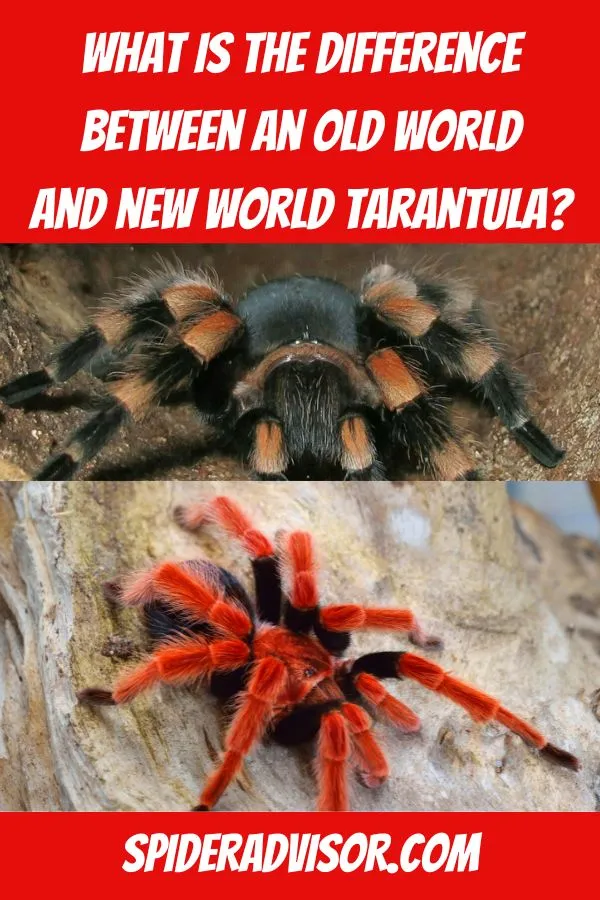
What are Old World and New World Tarantulas
Tarantulas, those captivating eight-legged wonders, often spark curiosity and sometimes, a bit of fear. But did you know that not all tarantulas are created equal? The world of tarantulas is broadly divided into two categories Old World and New World, each with distinct characteristics, behaviors, and appearances. Understanding these differences is crucial for anyone considering keeping a tarantula as a pet or simply wanting to learn more about these fascinating creatures. This guide delves into the key distinctions between Old World and New World tarantulas, exploring their origins, defenses, venom, and more, to help you appreciate these diverse arachnids.
Geographical Origins
The geographical origin is the most fundamental difference between these two groups. This difference plays a role in their physical and behavioral traits. Knowing where a tarantula comes from is the first step in understanding its needs and potential risks.
Old World Tarantulas

Old World tarantulas hail from the continents of Africa, Asia, and Australia. They are found in various habitats within these regions, including grasslands, forests, and deserts. Their natural environments have influenced their adaptations and behaviors, often making them more defensive.
New World Tarantulas
New World tarantulas originate from North and South America. They too have adapted to a wide range of environments, from rainforests to arid climates. Generally, New World tarantulas are considered less defensive and possess different defense mechanisms.
Defensive Mechanisms
The ways in which tarantulas defend themselves are a crucial distinction between the two groups. Understanding their defense mechanisms is vital for safe handling and appreciation of these creatures.
Old World Tarantulas

Old World tarantulas are known for their more aggressive defensive strategies. They often rely on a strong bite and potent venom as their primary means of defense. They are quicker to bite when threatened, making them less suitable for novice keepers. When threatened, they will often rear up, displaying their fangs and attempting to bite. The level of aggression varies from species to species, but it is generally higher than that of New World tarantulas. (Image: old-world-tarantula-defensive-mechanism.webp)
New World Tarantulas
New World tarantulas primarily utilize urticating hairs as their main defense. These hairs are barbed and can be flicked off their abdomen towards perceived threats. The hairs cause intense itching and irritation upon contact with skin and mucous membranes. While they can bite, it is less common, and their venom is generally less potent. Some species also have a defensive posture where they lift their front legs to ward off threats (Image new-world-tarantula-defensive-mechanism.webp)
Venom Potency
Venom potency is another key factor when comparing the two groups. Understanding the effects of their venom helps to appreciate the potential risks associated with each type.
Old World Tarantulas

Old World tarantulas generally have more potent venom than their New World counterparts. While their venom is rarely lethal to humans, bites can cause significant pain, muscle cramps, and other unpleasant symptoms. Medical attention may be necessary in some cases, especially for individuals with allergies or sensitivities. (Image tarantula-venom.webp)
New World Tarantulas
New World tarantulas have less potent venom. Bites are generally less painful than those from Old World species and rarely require medical intervention. The primary concern with New World tarantulas is usually the irritation caused by their urticating hairs rather than their venom. However, individual reactions can vary, and it’s essential to exercise caution when handling any tarantula.
Appearance and Physical Traits
Physical characteristics also differ significantly between the two groups, influencing their identification and appreciation.
Old World Tarantulas

Old World tarantulas often exhibit vibrant colors and patterns, with some species displaying iridescent hues. They typically lack the urticating hairs found on New World tarantulas, giving their abdomens a smoother appearance. Their fangs are also generally longer and more prominent. Examples include the Cobalt Blue Tarantula and the Singapore Blue.
New World Tarantulas
New World tarantulas have a wide range of colors, from the browns and blacks of the Brachypelma species to the vibrant blues and oranges of others. A defining feature is the presence of urticating hairs on their abdomens, which can appear as a patch of darker or lighter hairs. Their fangs are generally shorter than those of Old World tarantulas. Examples include the Mexican Redknee and the Chilean Rose Hair.
Temperament and Behavior
Temperament and behavior play a significant role in determining their suitability as pets. These differences should be considered before making a decision about which tarantula to keep.
Old World Tarantulas

Old World tarantulas are often more defensive and less tolerant of handling. They tend to be quicker to bite and may exhibit a more aggressive posture when threatened. They are generally best suited for experienced keepers who understand their behaviors and are prepared to handle them with caution. Their high levels of defensiveness make them less ideal for beginners.
New World Tarantulas
New World tarantulas are typically more docile and less prone to biting. They may still flick urticating hairs as a defense mechanism, but they are generally more tolerant of handling. Their relatively calmer temperament makes them a better choice for beginner keepers. However, it is still important to handle them with care and respect.
Habitat and Enclosure Needs
The habitat and enclosure requirements vary, reflecting the natural environments of each group. Proper housing is crucial for their health and well-being.
Old World Tarantulas
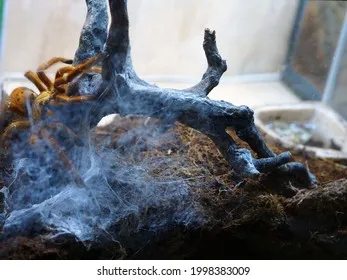
Old World tarantulas require enclosures that provide secure hiding places and suitable substrate. Maintaining proper humidity levels is important, but it is generally less critical than with New World species. They may benefit from a more arid environment, with a focus on ventilation to prevent mold. (Image tarantula-habitat.webp)
New World Tarantulas
New World tarantulas often need higher humidity levels compared to Old World species. They also need secure enclosures and appropriate substrate to burrow. Adequate ventilation is important to prevent the build-up of harmful bacteria. Different species will have slightly varying humidity requirements; research the specific needs of the species being kept. (Image tarantula-habitat.webp)
Suitability as Pets
The suitability of each group as pets depends on experience level and individual preferences. Careful consideration is necessary before making a choice.
Old World Tarantulas
Due to their defensive nature and more potent venom, Old World tarantulas are generally recommended for experienced keepers. Their care requires a good understanding of tarantula behavior, proper handling techniques, and the ability to recognize signs of stress. Their beauty and unique characteristics make them attractive to experienced enthusiasts. (Image tarantula-handling.webp)
New World Tarantulas
New World tarantulas are often considered a better choice for beginners. Their more docile temperaments, milder venom, and less aggressive defense mechanisms make them easier to handle and care for. The variety of colors and patterns available make them a popular choice for many hobbyists. However, proper research and care are still essential for any tarantula. (Image tarantula-handling.webp)
Conclusion
In conclusion, the differences between Old World and New World tarantulas are significant, influencing everything from their defensive strategies to their suitability as pets. Old World tarantulas, with their potent venom and quick tempers, present a challenge for experienced keepers. New World tarantulas, on the other hand, are often more manageable, making them a popular choice for beginners. Whether you’re drawn to the striking colors of an Old World species or the gentle nature of a New World tarantula, understanding these differences is crucial to ensuring a safe and rewarding experience. Remember to research any species thoroughly before acquiring one and always prioritize the welfare of these fascinating creatures.