Why Choose a Tarantula as a Classroom Pet
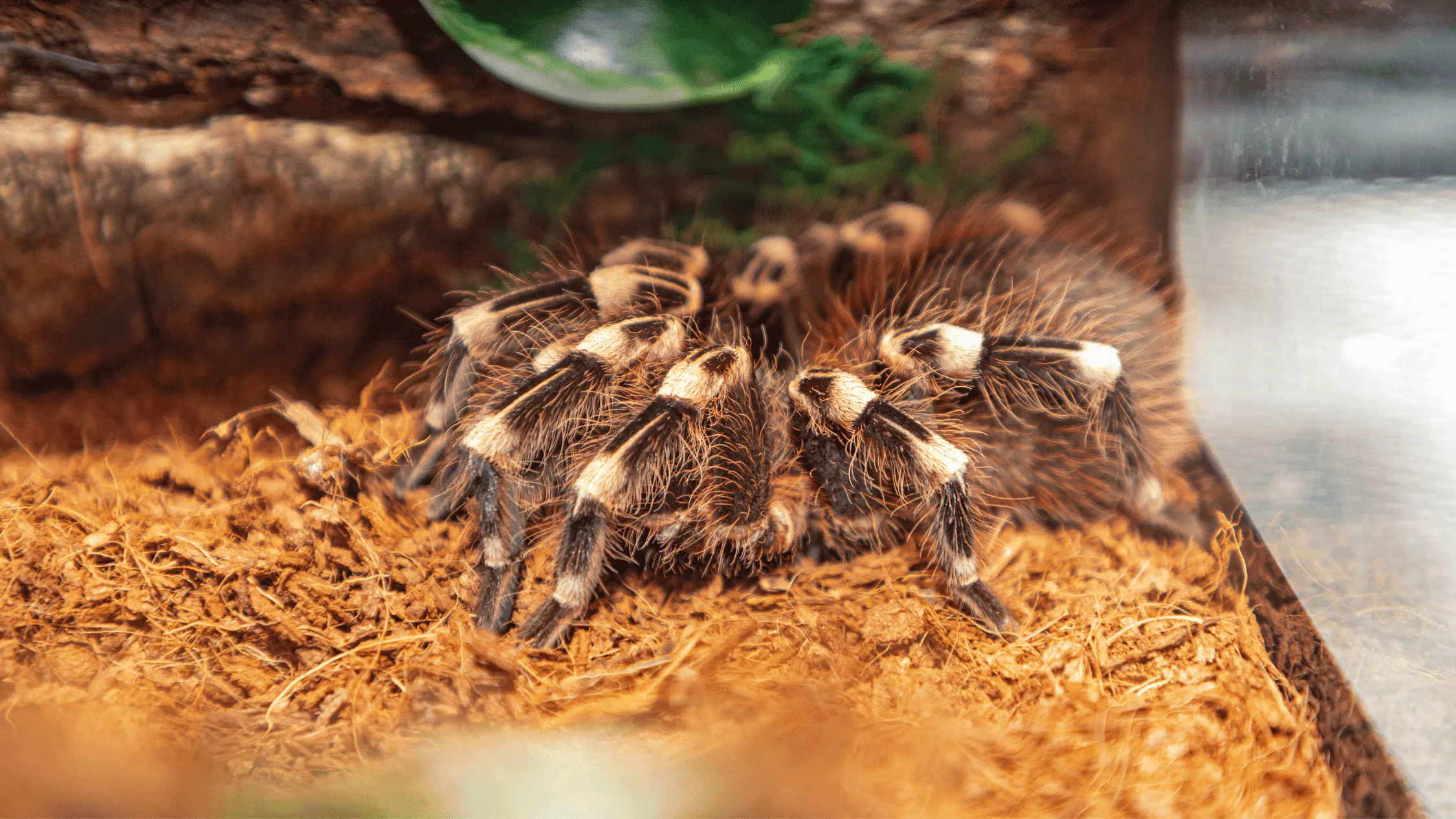
Choosing a classroom pet is a significant decision, and the tarantula, though unconventional, offers a unique learning experience. These fascinating creatures provide a window into the world of arachnids, ecosystems, and responsible pet ownership. Unlike more common classroom pets, tarantulas require minimal space, are relatively low-maintenance, and can live for many years, offering students a prolonged opportunity for observation and study. The unique characteristics of a tarantula also spark curiosity, encouraging students to research and learn about their natural habitats, behaviors, and the vital role they play in ecosystems. Moreover, the opportunity to care for a tarantula teaches responsibility, patience, and the importance of providing a safe and enriching environment for all living creatures. The tarantula pet can be a captivating subject for any classroom.
Tarantula Pet: Amazing Fact One
Tarantulas are incredibly diverse. There are over 900 different species of tarantulas found worldwide, each with its unique characteristics. From the vibrant colors of the Pinktoe tarantula to the imposing size of the Goliath Birdeater, the variety is astounding. This diversity offers students a rich opportunity to learn about different habitats, adaptations, and the evolutionary processes that have shaped these fascinating creatures. Every student will find a tarantula that sparks his or her interest. Imagine the possibilities of creating a diverse collection of tarantulas in the classroom.
Detailed explanation

The sheer variety allows for focused studies on topics such as biogeography (the distribution of species) or the adaptations to different environments (like arid deserts or humid rainforests). Students can research specific species, comparing their sizes, colors, diets, and behaviors. They can also learn about the conservation status of different tarantula species and the threats they face, such as habitat loss and the pet trade, encouraging a sense of global responsibility. Creating a chart with different species, their origins, characteristics and sizes can be very valuable for the classroom.
Tarantula Pet: Amazing Fact Two
Tarantulas are surprisingly long-lived. Many species can live for over a decade, with some females living for 20 years or more. This long lifespan provides students with a unique opportunity to observe the entire life cycle of an animal, from juvenile to adult, and witness changes over a significant period. It fosters a sense of responsibility, encouraging students to care for the tarantula and learn from them over the years. This long lifespan also helps demonstrate the importance of consistent care and provides ample opportunities to develop a deep understanding of their needs and behaviors.
Detailed explanation
The extended lifespan also provides time for observing behavioral changes as the tarantula ages, as well as the effects of their habitat on their health. This allows students to study the effects of different diets, humidity levels, and environmental conditions on the tarantula’s overall well-being. Students can also document their tarantula’s growth, shedding cycles, and other significant events, creating a detailed record of the animal’s life and their own experiences of caring for the creature. Furthermore, the ability to witness their life cycle can be a great way for students to practice scientific observations, data collection and critical thinking.
Tarantula Pet: Amazing Fact Three

Tarantulas molt their exoskeletons. As they grow, tarantulas shed their outer layer, revealing a new, larger one underneath. This process, called molting, is a fascinating biological event that allows students to learn about growth, regeneration, and the unique adaptations of arthropods. The discarded exoskeleton provides a unique opportunity to study the tarantula’s anatomy, providing a detailed view of their physical structure. It’s a great way to visualize the tarantula’s development over time.
Detailed explanation
Molting is also a vulnerable time for tarantulas, as they are soft and defenseless during this process. This provides a valuable opportunity to learn about animal behavior and the importance of creating a safe environment. The molted exoskeleton can also be used for educational purposes, such as studying the tarantula’s anatomy or measuring its growth over time. Students can observe the entire molting process, from the initial signs of shedding to the emergence of the new exoskeleton. This is an excellent time to teach about the concept of adaptations in nature.
Tarantula Pet: Amazing Fact Four
Tarantulas are masters of camouflage. Their coloration and patterns often blend seamlessly with their surroundings, making them difficult to spot in the wild. This natural camouflage is a key survival strategy, protecting them from predators and allowing them to ambush prey. Students can learn about the concept of camouflage, its function, and the evolutionary pressures that drive it. They can also study the specific adaptations of different tarantula species, such as the color patterns that allow them to blend in with their habitat.
Detailed explanation

By studying the tarantula’s camouflage, students can also learn about the role of natural selection in shaping physical characteristics. The tarantulas that are best camouflaged are more likely to survive and reproduce, passing on their genes to future generations. Students can also create their own models of tarantulas and their habitats, experimenting with different color schemes and patterns to understand the effectiveness of camouflage. This hands-on experience can help them visualize the concept and reinforce their understanding of this important survival mechanism.
Tarantula Pet: Amazing Fact Five
Tarantulas are beneficial to ecosystems. As predators, they help control populations of insects and other invertebrates, playing a crucial role in maintaining balance in their habitats. They can be considered “gardeners” of their territories, and they help create the ideal environment. They are an important part of the food chain. Students can learn about the role of tarantulas in the food web, the concept of trophic levels, and the interconnectedness of all living things. They can also research the specific prey of different tarantula species, learning about the diverse invertebrates found in different ecosystems.
Detailed explanation
This understanding of the tarantula’s role can also be used to discuss the impact of human activities, such as habitat destruction and pesticide use, on tarantula populations and their ecosystems. Students can research the conservation status of different tarantula species, identifying the threats they face and exploring ways to protect their habitats. They can also learn about the importance of biodiversity and the value of each species in the complex web of life. Furthermore, they can create projects that help educate others about the importance of tarantulas.
Caring for Your Tarantula Pet in the Classroom

Habitat Setup
Setting up the habitat is a crucial part of tarantula care. A secure, well-ventilated enclosure is essential, sized appropriately for the species and size of the tarantula. The enclosure should include a substrate, such as coconut fiber or peat moss, to absorb moisture and provide a burrowing environment. Provide a water dish with fresh water at all times, and maintain the correct temperature and humidity levels for the specific tarantula species. Decorate the enclosure with suitable hides, such as cork bark or artificial plants, to provide a sense of security and enrichment. Ensure that the enclosure is placed away from direct sunlight and drafts, and is easily accessible for students to observe and care for the tarantula. Students should also be able to keep a temperature and humidity log for the terrarium.
Feeding and Watering
Tarantulas are typically fed insects, such as crickets, roaches, or mealworms, depending on the species and size of the tarantula. Offer appropriately sized insects, and remove any uneaten food within 24 hours to prevent mold growth. Provide fresh water in a shallow dish at all times. The frequency of feeding depends on the tarantula’s age, species, and molt cycle, and it is typically done once or twice a week. Be sure to research the specific diet of the tarantula you choose. Students can keep track of the feeding schedule, the amount of food given, and the tarantula’s response. They can also learn about the nutritional needs of tarantulas and the importance of providing a balanced diet. Avoid feeding live insects that have been exposed to pesticides.
Handling and Safety

It is generally recommended to avoid handling tarantulas, especially for young students, unless absolutely necessary. Tarantulas can be easily injured, and their bites can be painful, although not usually medically significant. If handling is required (e.g., for cleaning or moving), do so with caution and under the supervision of a knowledgeable adult. Encourage students to observe the tarantula in its enclosure and to learn about its behavior and habits. Provide clear instructions about not touching the tarantula or its enclosure without permission. Always wash hands thoroughly after interacting with the tarantula or its enclosure. Educate students on the importance of respect and responsible interactions.
Educational Benefits of a Tarantula Pet
A tarantula in the classroom offers a wealth of educational opportunities. It teaches responsibility, as students are in charge of the pet’s care and well-being. It also promotes observation skills, encouraging students to watch and learn about the tarantula’s behavior and habits. Studying a tarantula helps students learn about ecosystems and the role of these creatures in the web of life. Through research projects and presentations, students can expand their knowledge of arachnids and their habitats, developing critical thinking and research skills. This hands-on experience can also foster empathy, helping students to understand and appreciate all living creatures, and to view them with respect.
The presence of a tarantula in the classroom provides an engaging and unforgettable learning experience for students of all ages. The tarantula can inspire and enrich any curriculum. The benefits of having this pet in the classroom extend far beyond simple pet care and can create a sense of wonder for the students. The classroom can become a space where curiosity, learning, and responsibility thrive, cultivating a generation of students that appreciate and value the world around them.