Why Choose Tarantula Pets Online?
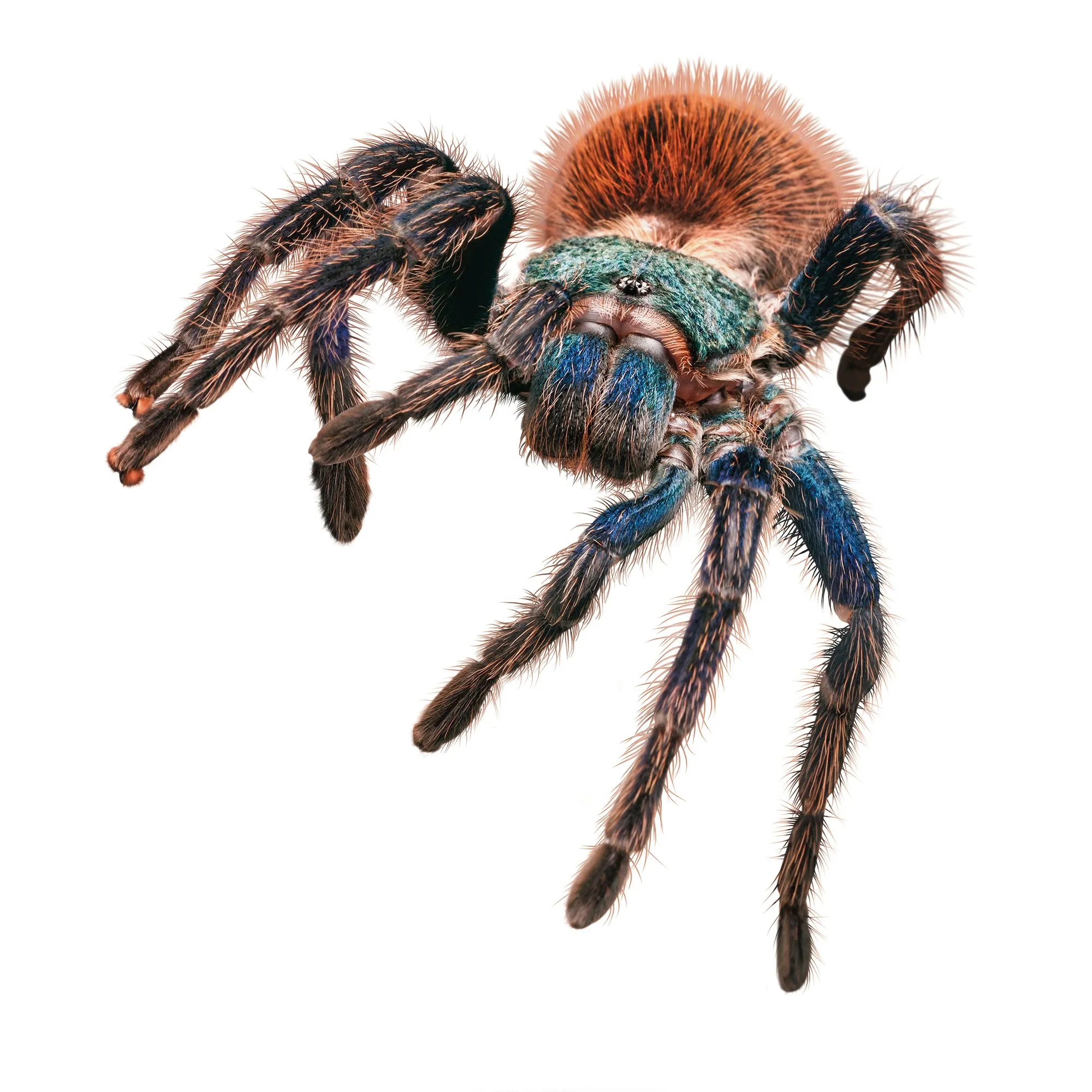
The allure of owning a tarantula pet online is growing, and for good reason. These fascinating creatures offer a unique pet ownership experience, providing an alternative to traditional pets. Buying tarantula pets online offers unparalleled convenience, allowing enthusiasts to browse a wide variety of species from the comfort of their homes. Accessibility to rare and exotic species is significantly improved, as online vendors often specialize in tarantulas. Additionally, online resources, including care guides and community forums, are readily available, making it easier to learn and connect with other hobbyists. The ability to compare prices and read reviews also empowers prospective owners to make informed decisions before acquiring their first tarantula. Consider the many benefits of buying your new pet online.
Benefits of Owning a Tarantula
Owning a tarantula presents several advantages for those seeking a low-maintenance yet captivating pet. Tarantulas, compared to many other pets, require minimal interaction, making them ideal for individuals with busy lifestyles. Their care primarily involves providing a suitable habitat, regular feeding, and ensuring proper environmental conditions. They are also relatively quiet pets, making them suitable for various living situations. Another benefit is their long lifespan; many tarantula species can live for several years, providing long-term companionship. Moreover, tarantulas offer a unique opportunity to observe fascinating behaviors, such as molting and web-spinning, which provide an intriguing insight into the natural world. Finally, the relatively low cost of tarantula ownership, both in terms of initial purchase and ongoing care, makes them an accessible choice for many pet owners.
Choosing the Right Tarantula

Selecting the right tarantula species is a crucial first step. Beginner tarantula owners should prioritize species known for their docile temperament and ease of care. Consider the size and growth rate of the tarantula; some species grow larger and require more space. Also, research the specific needs of each species, including their preferred temperature, humidity levels, and dietary requirements. Different tarantulas have varying venom potencies and defensive behaviors; therefore, opt for species known for their mild venom and non-aggressive nature. Assess your available space and commitment level; certain species are more suitable for first-time owners than others. Be sure to think about how much time and resources you can invest in your new pet before making a purchase. Also, think about whether you prefer terrestrial or arboreal species to make a better selection.
Considerations Before Buying
Before acquiring a tarantula pet online, several factors warrant careful consideration. Researching the specific needs of the species you intend to purchase is vital. Consider your living environment, ensuring you can provide the necessary temperature, humidity, and space for the tarantula’s enclosure. You should also be prepared to handle the responsibilities of pet ownership, including regular feeding, enclosure maintenance, and potential health issues. Evaluate your financial resources, accounting for the initial purchase cost, enclosure, substrate, food, and any necessary equipment. Think about the ethical implications of owning a tarantula, particularly regarding its origin and conservation status. Ensure you have access to veterinary care experienced with exotic animals. Consider whether you can handle the emotional aspect of owning a pet that may have a relatively short lifespan. Thoroughly evaluating these considerations ensures a responsible and fulfilling pet ownership experience.
Researching Tarantula Species
Detailed research into potential tarantula species is essential for ensuring a successful and enjoyable pet ownership experience. Explore reputable online resources, such as arachnid databases and forums, to gather information on different species. Study their natural habitats, behaviors, and specific care requirements. Pay close attention to the temperament of the species; some are known to be more docile than others. Check for information on the size and growth rate of the tarantula, as this will influence the enclosure size needed. Research the venom potency and defensive behaviors, especially if you are a beginner. Gather information on the species’ preferred diet, including the types and sizes of insects needed. Read reviews and testimonials from other owners to gain insights into their experiences. Use this research to make an informed decision and select a species that aligns with your lifestyle and experience level.
Popular Beginner-Friendly Species

Several tarantula species are widely recommended for beginners due to their manageable care requirements and relatively docile temperaments. The Chilean Rose Hair (Grammostola rosea) is a popular choice, known for its gentle nature and tolerance of varying conditions. The Mexican Red Knee (Brachypelma hamorii) is another excellent option, characterized by its striking coloration and docile disposition. Other recommended species include the Pinktoe Tarantula (Avicularia avicularia) and the Curly Hair Tarantula (Tliltocatl albopilosus). These species are generally less defensive and less prone to biting or kicking hairs. They also have relatively simple care needs, including moderate humidity and temperature requirements. However, it’s crucial to research any species before purchasing it, regardless of its reputation, and to understand the individual needs of the specific tarantula. Thorough research ensures a great experience with your first tarantula.
Where to Buy Your Tarantula Online
When buying tarantulas online, selecting a reputable vendor is paramount. Look for specialized online pet stores with positive customer reviews and a strong reputation within the tarantula community. Consider the vendor’s experience and expertise in tarantula care and shipping. Check for a guarantee of live arrival, which indicates the vendor’s confidence in their shipping practices. Look for vendors that provide detailed information about the species, including its origin, care requirements, and temperament. Read reviews from other customers to assess the vendor’s reliability, customer service, and the health of the animals. Verify that the vendor adheres to ethical practices, such as sourcing tarantulas from reputable breeders and complying with all applicable regulations. Prioritize vendors who prioritize the health and well-being of their tarantulas.
Reputable Online Tarantula Sellers
Identifying reputable online tarantula sellers is key to a successful purchase. Look for sellers with extensive experience in the tarantula hobby and a proven track record of providing healthy animals. Reputable sellers usually have detailed websites with comprehensive information about each species, including its care requirements. Check for online reviews and testimonials to gauge customer satisfaction and the overall quality of the service. Look for sellers with clear shipping policies, including guarantees of live arrival and proper packaging. Make sure the seller offers excellent customer support and is responsive to inquiries or concerns. Consider vendors known for their ethical sourcing practices and commitment to the welfare of their animals. By choosing a reputable seller, you can increase the likelihood of receiving a healthy tarantula and a positive buying experience.
Avoiding Scams and Unethical Practices

When purchasing tarantulas online, it’s crucial to be aware of potential scams and unethical practices. Always verify the seller’s legitimacy by researching their reputation and reading customer reviews. Avoid sellers offering unrealistically low prices, as this might indicate poor quality or unethical sourcing. Be wary of sellers who are unwilling to provide detailed information about the tarantula’s origin or care requirements. Ensure the seller has a clear return policy and offers a live arrival guarantee. Avoid sellers who appear to prioritize profit over the health and well-being of their animals. Do not support sellers who engage in unethical practices, such as the illegal collection or sale of protected species. If something seems suspicious, trust your instincts and seek out more reputable vendors. Always purchase from established businesses with transparent operations.
Setting Up Your Tarantula’s Habitat
Establishing a suitable habitat is critical to the health and well-being of your tarantula. Choose an enclosure appropriate for the species and size of your tarantula, usually a glass or plastic terrarium. The enclosure should be well-ventilated and sized according to the tarantula’s adult size. Prepare the substrate, such as coco fiber, peat moss, or a combination, to provide burrowing opportunities and maintain humidity. Decorate the enclosure with appropriate items, such as hides, branches, and artificial plants. Ensure a secure lid to prevent escape. The setup should reflect the natural habitat needs of the tarantula species. The goal is to create a safe, comfortable environment that meets your tarantula’s needs. Regular maintenance is vital to maintain the health of your tarantula.
Essential Equipment
Gathering essential equipment is vital before introducing your tarantula to its new home. First, you’ll need the proper enclosure, which should be the correct size and made of a suitable material like glass or clear plastic. Make sure you have a reliable source of heat, either a heat mat or a ceramic heat emitter, to maintain the necessary temperature. Get a hygrometer to monitor humidity levels, and consider an appropriate substrate, such as coconut fiber or peat moss, to provide burrowing opportunities. Provide a water dish with fresh, clean water available at all times. Also, be sure to have a hide or shelter for the tarantula to retreat into. Finally, acquire any necessary tools, such as tongs for feeding and a spray bottle for humidity control. These tools are necessary for proper care.
Choosing the Right Enclosure

Selecting the correct enclosure is one of the most important aspects of tarantula care. The enclosure should be appropriately sized for the tarantula’s species and adult size. A general rule is that the enclosure should be at least twice the tarantula’s leg span in length and width. Consider the tarantula’s lifestyle; terrestrial species require more horizontal space, while arboreal species need more vertical space. Choose a material that is secure, well-ventilated, and easy to clean, such as glass or clear plastic. The enclosure should have a secure lid to prevent escape. Ensure that the enclosure provides the correct environmental conditions, including proper ventilation, temperature, and humidity levels. A good enclosure is key to creating a safe and comfortable environment for your tarantula, minimizing stress and promoting its overall well-being. The enclosure will be the tarantula’s home for life.
Substrate and Decorations
The substrate and decorations within a tarantula’s enclosure play essential roles in its health and well-being. Choose a substrate appropriate for the species and its natural habitat. Coco fiber and peat moss are popular choices for their ability to retain humidity and provide burrowing opportunities. Ensure that the substrate is clean and free of any harmful chemicals or substances. Add decorations such as hides, branches, and artificial plants to mimic the tarantula’s natural environment and provide a sense of security. Provide a water dish with fresh, clean water at all times. Regular maintenance, including spot cleaning and periodic substrate changes, is necessary to maintain a healthy and hygienic environment. The right substrate and decorations will contribute to your tarantula’s overall well-being.
Maintaining the Ideal Environment
Maintaining the ideal environment is crucial to the health and happiness of your tarantula. Regularly monitor temperature and humidity levels using a thermometer and hygrometer. Adjust the temperature and humidity according to the specific needs of your tarantula species. Ensure proper ventilation to prevent the buildup of harmful gases and maintain air quality. Clean the enclosure regularly, removing any uneaten food and waste. Provide fresh water at all times and replace it often. Avoid using harsh chemicals or cleaning agents. Maintaining a clean, controlled environment minimizes the risk of disease and promotes the tarantula’s overall well-being. It is a vital part of responsible tarantula ownership. Make sure all aspects of the environment are suitable.
Temperature and Humidity Control

Controlling temperature and humidity within the enclosure is vital for tarantula health. Monitor the temperature using a thermometer and adjust the heat source, such as a heat mat or ceramic heat emitter, to maintain the species-specific range. Use a hygrometer to monitor humidity levels and make adjustments accordingly. Increase humidity by misting the enclosure with water or using a substrate with high moisture retention. Avoid extreme temperature fluctuations, as these can stress the tarantula. Ensure proper ventilation to prevent the buildup of condensation. Temperature and humidity requirements vary depending on the species; it’s essential to research and provide the appropriate conditions. Proper control helps to ensure the tarantula’s comfort and helps prevent health problems.
Providing Food and Water
Providing proper food and water is essential for your tarantula’s survival and well-being. Feed your tarantula appropriate-sized insects, such as crickets, mealworms, or roaches, depending on its size and species. Provide fresh, clean water in a shallow dish at all times. Remove uneaten food to prevent mold and bacteria growth. The frequency of feeding depends on the tarantula’s age and species; adjust the feeding schedule accordingly. Avoid overfeeding, as it can lead to health problems. Ensure the water dish is easily accessible and shallow enough to prevent drowning. Be sure to offer a varied diet to provide adequate nutrition. Always offer fresh food and water for your tarantula.
Feeding Your Tarantula
Feeding your tarantula is a critical aspect of its care. The frequency of feeding depends on the species and the tarantula’s life stage; juveniles require more frequent feedings than adults. Choose appropriate-sized insects, such as crickets, roaches, or mealworms, considering the tarantula’s size. Offer the insects live to stimulate the tarantula’s natural hunting instincts. Observe the tarantula while it feeds and remove any uneaten food within 24 hours. The type of food can also be rotated, adding variety to the tarantula’s diet. Provide a well-balanced diet, and avoid overfeeding. Provide fresh water at all times for your pet. Feeding your tarantula correctly will maintain its health.
Watering Your Tarantula

Providing fresh water is vital for your tarantula’s hydration and overall health. Always offer clean water in a shallow dish or by misting the enclosure. Refill the water dish daily or as needed to ensure the water is always accessible. The frequency of misting will vary depending on the species and the humidity requirements of the enclosure. Clean the water dish regularly to prevent bacterial growth. Make sure the water is fresh and free of contaminants. Proper hydration is essential for tarantula health, especially during molting. This step is critical to responsible tarantula ownership. The pet must have a supply of fresh water at all times.
Handling and Interaction
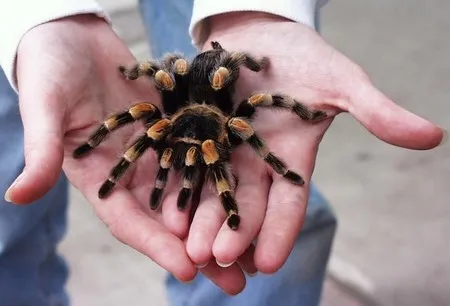
While tarantulas are not typically pets that enjoy handling, understanding safe interaction methods is vital. Handling should be kept to a minimum, and only if necessary. Some species are more docile than others, but all tarantulas can bite or kick hairs as a defense mechanism. Avoid handling if the tarantula appears stressed or agitated. If you must handle it, do so over a soft surface, such as a bed or couch, to minimize the risk of injury if it falls. Always wash your hands thoroughly before and after handling. Remember that tarantulas are primarily for observation, and excessive handling can stress them. It is key to the safety of the pet and the owner to be careful when handling.
Safe Handling Practices
Adopting safe handling practices is essential for the well-being of both you and your tarantula. If you handle your tarantula, approach it calmly and gently. Never grab or startle the tarantula. Always support the tarantula’s body to prevent it from falling. Keep a close eye on the tarantula’s behavior; if it shows signs of stress, such as raising its front legs or flicking its fangs, return it to its enclosure immediately. Wash your hands thoroughly before and after handling, as tarantula hairs can cause skin irritation. Be aware of the tarantula’s size and strength. If in doubt, avoid handling altogether. Proper handling protects both you and the tarantula.
Understanding Tarantula Behavior
Understanding your tarantula’s behavior is vital to providing proper care and recognizing potential health issues. Observe your tarantula’s feeding habits, activity levels, and overall demeanor. Changes in behavior, such as loss of appetite or lethargy, could indicate illness or stress. Learn about the natural behaviors of your tarantula species, including its preferred habitat and defensive mechanisms. Recognize signs of stress, such as flicking hairs or raising its front legs. Monitor its molting process, and do not disturb it during this vulnerable period. By understanding your tarantula’s behavior, you can better meet its needs and address any potential health problems. This observation leads to better care.
Common Health Issues and How to Address Them
Being aware of common health issues and knowing how to address them is important for tarantula owners. Common problems include dehydration, parasites, and fungal infections. Dehydration can be addressed by providing fresh water and maintaining proper humidity. Parasites can be prevented by ensuring a clean environment and providing appropriate food. Fungal infections can be prevented by maintaining a clean and dry environment. If you notice any signs of illness, such as loss of appetite, lethargy, or unusual behavior, consult an experienced veterinarian. Early detection and treatment are crucial to prevent serious health complications. It is important to provide the correct environment to prevent health issues.
Recognizing Signs of Illness
Recognizing the signs of illness in your tarantula is crucial for timely intervention. Look out for any changes in behavior, such as lethargy, loss of appetite, or unusual hiding. Inspect the tarantula for physical abnormalities, such as swelling, discoloration, or unusual lesions. Monitor its molting process, as difficulties can indicate a health issue. Check for any signs of parasites, such as mites or other insects. If you observe any signs of illness, seek veterinary care immediately. Early detection and treatment can prevent serious health complications. Careful observation is a key factor to providing a long life for your tarantula.
Seeking Veterinary Care
Knowing when to seek veterinary care for your tarantula is an important aspect of responsible ownership. If you notice any signs of illness, such as loss of appetite, lethargy, or unusual behavior, consult a veterinarian experienced with exotic animals. It’s essential to find a vet who has experience with tarantulas, as their medical needs can be complex. Prepare to provide detailed information about your tarantula’s species, its habitat, and any observed symptoms. Follow the veterinarian’s recommendations for treatment, and administer any medications as directed. Regular check-ups can help detect potential health problems early on. Early veterinary intervention is crucial to ensure your tarantula’s health and well-being. It is important to have a vet available to help if necessary.
Long-Term Care and Commitment
Owning a tarantula is a long-term commitment, and understanding the responsibilities involved is essential. Tarantulas can live for many years, so be prepared to provide consistent care throughout their lives. Commit to providing a suitable habitat, regular feeding, and proper environmental conditions. Be prepared to address any health issues and provide veterinary care when needed. Continually educate yourself about your tarantula species and adapt your care routine as necessary. Accept the ethical responsibilities of pet ownership, including providing for your pet’s well-being and respecting its needs. Owning a tarantula can be a rewarding experience, but it requires dedication and a commitment to providing the best possible care. Long-term commitment is a key factor in responsible tarantula ownership.