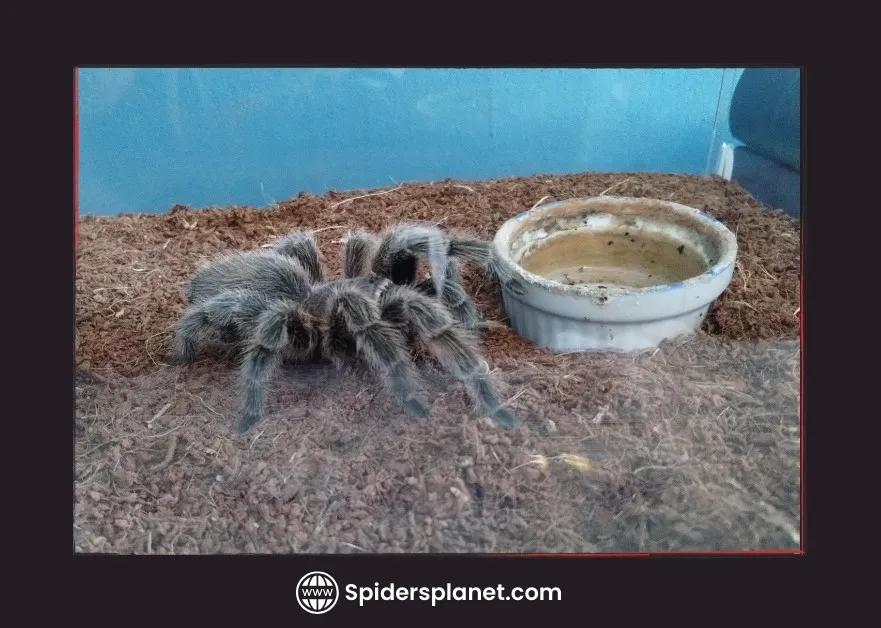
Why is My Mature Male Tarantula Not Eating
The sight of a tarantula refusing food can be concerning for any owner. There are several reasons why a mature male tarantula might stop eating, ranging from natural biological processes to environmental issues and health problems. Understanding these reasons is the first step in determining how to help your pet. This guide explores the top five causes of food refusal in mature male tarantulas, providing insights into their behavior and practical advice for owners. Careful observation and prompt action are crucial for the well-being of your arachnid companion.
Moulting Stage & Refusal
One of the most common reasons for a tarantula’s food refusal is the moulting process. Tarantulas shed their exoskeletons periodically as they grow. This process, known as moulting, can take weeks or even months, during which the tarantula will typically stop eating. During premolt, the tarantula prepares for this significant event, and the lack of appetite is a natural part of the process. The tarantula may also become lethargic and spend more time hiding. It’s essential not to disturb the tarantula during this time and to ensure the enclosure conditions are optimal to facilitate a successful moult. Observing these signs is crucial to understanding your pet’s behaviour.
Signs of Premolt

Identifying the signs of premolt can help you anticipate your tarantula’s behaviour. These include a darkened abdomen, a change in the tarantula’s behaviour, and sometimes, a bald spot on the abdomen as the new exoskeleton forms underneath. The tarantula may also appear less active, spend more time in its hide, and refuse food. Some may also create a web mat. Watch for these changes in your tarantula. If the tarantula displays any of these signs it is best to leave it alone, and keep the enclosure humid, and provide fresh water.
How to Help Your Tarantula During Premolt
During premolt, the best course of action is to provide a stress-free environment. Keep the enclosure at the correct temperature and humidity levels. Avoid handling the tarantula or making any sudden changes in its environment. Provide fresh water in a shallow dish to help keep the tarantula hydrated. Never attempt to feed your tarantula during premolt; it will not eat. If the tarantula is in premolt, it’s best to wait until after it has moulted before reintroducing food. After moulting, wait a few days before feeding the tarantula to allow its new exoskeleton to harden.
Environmental Factors & Appetite
Environmental factors can significantly impact a tarantula’s appetite. Maintaining the correct temperature and humidity levels within the enclosure is crucial for the tarantula’s health and feeding habits. Both temperature and humidity directly affect the tarantula’s metabolism and ability to digest food. If the environment is not ideal, it can lead to stress and a loss of appetite. Therefore, it is important to regularly monitor the conditions inside the enclosure to ensure they remain within the optimal range for your tarantula’s species.
Temperature’s Role in Feeding

Temperature plays a crucial role in a tarantula’s appetite. Tarantulas are ectothermic, meaning their body temperature relies on their environment. If the enclosure is too cold, the tarantula’s metabolism will slow down, and it will lose its appetite. Conversely, if the enclosure is too hot, the tarantula may become stressed and stop eating. Research the ideal temperature range for your tarantula’s species and use a reliable thermometer to monitor the temperature inside the enclosure. This will help ensure that the tarantula remains active and willing to eat.
Humidity’s Influence on Appetite
Humidity also influences a tarantula’s appetite. Proper humidity is essential for their health and well-being, as it aids in their moulting process and overall hydration. Insufficient humidity can lead to dehydration, which in turn can cause a loss of appetite. The ideal humidity level varies among species, so research the specific requirements of your tarantula. Regular misting and providing a water dish can help maintain the correct humidity level. Use a hygrometer to monitor humidity levels, and adjust as needed to ensure a healthy environment for your tarantula.
Stress & its Impact
Stress is a significant factor that can cause a tarantula to stop eating. Tarantulas are sensitive creatures, and several things can cause stress. This includes changes in their environment, frequent handling, and loud noises or vibrations. A stressed tarantula will often retreat to its hide, become less active, and refuse food. It is crucial to provide a calm and stable environment for your pet. Keeping the tarantula in a low-traffic area and minimizing disturbances can help reduce stress levels. Ensuring that the tarantula is comfortable and secure is vital for its health and appetite.
Identifying Stress in Your Tarantula

Recognizing the signs of stress can help you identify and address the issue promptly. Stressed tarantulas may exhibit several behaviours. They may retreat to their hide constantly, flick hairs off their abdomen, or adopt a defensive posture. A lack of appetite is another significant indicator. Observe your tarantula’s behavior closely. If you notice these signs, evaluate the environment and make adjustments to reduce stress. Providing a more secure environment will help your tarantula feel safe and secure.
How to Reduce Stress in Your Tarantula’s Habitat
Reducing stress involves creating a stable and secure environment. Avoid frequent handling, as this can stress the tarantula. Place the enclosure in a quiet area away from loud noises and vibrations. Provide a secure hide, such as a piece of cork bark or a cave, where the tarantula can retreat. Maintain the correct temperature and humidity levels, and ensure the enclosure is not overcrowded. Avoid any sudden changes in the environment, as these can also cause stress. By creating a consistent and secure habitat, you can significantly reduce your tarantula’s stress levels and encourage it to eat.
Parasites & Illnesses
Parasites and illnesses can also lead to a loss of appetite in tarantulas. Several parasites can affect tarantulas, including mites and nematodes. These parasites can irritate the tarantula and make it feel unwell, causing it to stop eating. Other illnesses, such as bacterial or fungal infections, can also impact their health and feeding habits. It is important to observe your tarantula closely for any signs of illness or infestation and to seek veterinary care if you suspect a problem. Proper hygiene and quarantine can help prevent the spread of parasites and illnesses.
Recognizing Signs of Parasites

Identifying the signs of parasites is crucial for early intervention. Mites are one of the most common parasites affecting tarantulas. They can be seen as tiny, moving dots on the tarantula’s body. The tarantula may also appear irritated and attempt to groom excessively. Other signs of parasites include lethargy, changes in behaviour, and a general decline in health. Examine your tarantula regularly for these signs. If you suspect a parasite infestation, it is essential to take prompt action, such as quarantining the tarantula and consulting with a veterinarian or experienced breeder for treatment.
Seeking Veterinary Care
If you suspect your tarantula is sick or infested with parasites, it is essential to seek professional veterinary care. A veterinarian specializing in exotic animals can diagnose the issue and recommend appropriate treatment. Do not attempt to treat your tarantula without professional advice. If you are unable to find a local veterinarian, contact experienced breeders or online communities for advice. Provide your vet with as much information as possible about the tarantula’s environment, behaviour, and symptoms to help with diagnosis and treatment. This ensures the best possible care for your pet.
Aging and Refusal to Eat
As mature male tarantulas age, they may naturally experience a decline in appetite. In general, male tarantulas have a shorter lifespan than females, and their behaviour changes as they reach the end of their life cycle. This is part of their natural life cycle. The older the tarantula gets, the more lethargic it may become. They may also lose interest in food. It is important to understand this aspect of their life cycle and adjust your expectations and care accordingly. Providing a comfortable environment and ensuring their basic needs are met is critical during their final stage.
Understanding the Lifespan of Male Tarantulas

The lifespan of male tarantulas is significantly shorter than that of females. While female tarantulas can live for many years, male tarantulas often live for only a few years after reaching maturity. After the final moult, the male tarantula’s primary goal is to find a mate. This change in focus means that their appetite may decrease. After mating, their lifespan is usually short. Understanding the lifespan of your tarantula can help you prepare for this stage and ensure that you provide the best possible care during their final years. Knowing their life cycle helps you recognize natural behaviors associated with their age.
What to do when your tarantula refusing food
When a mature male tarantula refuses food, it is essential to remain calm and address the potential causes systematically. Start by assessing its environment. Make sure the temperature and humidity are optimal for its species. Check for any signs of stress, such as constant hiding or defensive postures. If you suspect moulting, do not offer food and avoid disturbing the tarantula. Observe the tarantula and look for other symptoms, such as lethargy or signs of parasites. If the refusal persists, consult with an experienced breeder or a vet familiar with tarantulas. Prompt action can often resolve the issue and ensure your pet’s well-being.