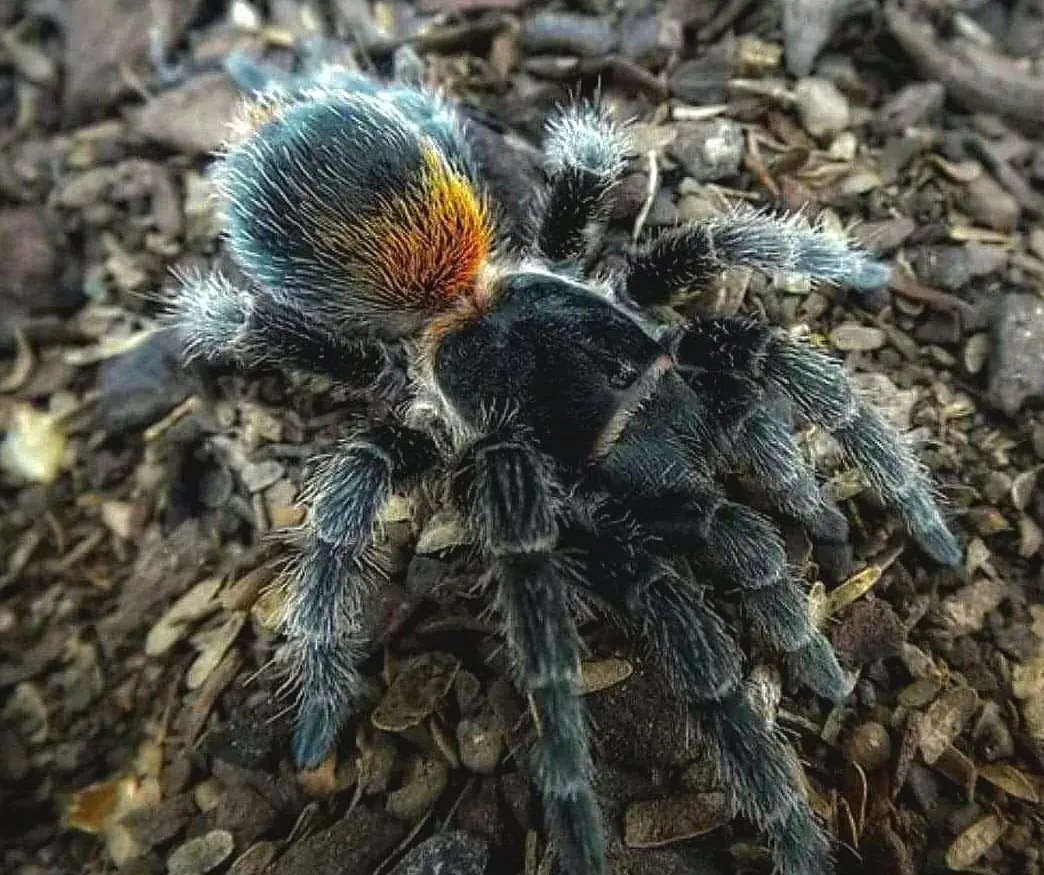
What is a Tarantula?
Tarantulas are large, hairy spiders belonging to the Theraphosidae family. These fascinating creatures are found in various habitats worldwide, primarily in tropical and subtropical regions. Known for their impressive size and often intimidating appearance, tarantulas are a popular choice for reptile and arachnid enthusiasts. They are generally docile and, despite their intimidating fangs, their venom is typically not considered highly dangerous to humans. These spiders are nocturnal hunters, feeding on insects, and sometimes small vertebrates. The tarantula’s life cycle includes molting, where they shed their exoskeleton to grow. They come in a vast array of species, showcasing diverse colors, patterns, and behaviors, making them a captivating subject of study and admiration. They are often purchased during a tarantula collection sale.
Why People Collect Tarantulas
Collecting tarantulas has become a popular hobby for several reasons. For many, it’s the unique allure of owning a fascinating creature unlike any other pet. Tarantulas offer a low-maintenance experience compared to other pets; they require less space and attention, making them ideal for individuals with busy lifestyles. The diversity in tarantula species, each with its own distinct characteristics, colors, and behaviors, provides collectors with a wide array of options to build a diverse collection. Moreover, observing tarantulas is an educational and rewarding experience, from their hunting behaviors to their molting process. The tarantula collection sale often attracts collectors seeking to expand their collection. Additionally, the relatively low cost of certain species makes it an accessible hobby for many, adding to their appeal for both novice and experienced enthusiasts.
Amazing Fact One Tarantula Lifespans

One of the most remarkable facts about tarantulas is their longevity. Female tarantulas can live for an incredibly long time, often exceeding 20 years in captivity, and some species may even live longer. Males, on the other hand, typically have a shorter lifespan, often only living for a few years after reaching maturity. This difference in lifespan is a significant factor to consider for anyone interested in owning a tarantula. The extended lifespan of female tarantulas makes them a long-term commitment, requiring dedicated care and a stable environment. Proper care and a suitable habitat are crucial to ensure the longevity of your tarantula. Understanding the lifespan differences between males and females can help collectors make informed decisions when purchasing during a tarantula collection sale.
Amazing Fact Two Tarantula Venom
Contrary to common misconceptions, tarantula venom is generally not highly dangerous to humans. While they do possess venom to subdue their prey, the effects on humans are typically mild. A tarantula bite often results in symptoms similar to a bee sting, including localized pain, swelling, and redness. Allergic reactions are rare but possible. The venom is primarily designed to paralyze insects and small animals, not to inflict serious harm on larger creatures like humans. However, the psychological impact of being bitten by a large spider can be significant. It’s important to remain calm if bitten and to clean the bite area. The risk from a tarantula bite is often overstated, yet caution should always be exercised when handling these arachnids. Information regarding the safety of different tarantula species is available for anyone looking at a tarantula collection sale.
Amazing Fact Three Tarantula Diet
Tarantulas are primarily carnivorous, with their diet consisting mainly of insects. Crickets, mealworms, and roaches are common staples in a tarantula’s diet. The size of the prey should be appropriate for the size of the tarantula; juveniles require smaller meals, while adults can consume larger insects. In the wild, they might also consume small vertebrates, such as lizards or even small rodents. Feeding frequency depends on the tarantula’s age and species, typically ranging from once a week to several times a week. It’s important to provide fresh, nutritious food to ensure the tarantula stays healthy. Proper feeding helps the tarantula grow and molt successfully, which is essential to its development. Many tarantula owners buy crickets to ensure their tarantulas have a healthy diet. Information and supplies are often available at a tarantula collection sale.
Amazing Fact Four Tarantula Habitats

Tarantulas exhibit a wide range of habitat preferences, with various species adapted to different environments. Some tarantulas are terrestrial, living on the ground and creating burrows or utilizing existing ground cover. Others are arboreal, residing in trees and shrubs, taking advantage of the vertical space. The specific habitat needs vary based on the species; for instance, desert tarantulas need dry, arid environments, while tropical species require high humidity and warmth. Providing a suitable habitat involves the correct substrate, temperature, humidity, and hiding places. Proper habitat design is crucial for the tarantula’s well-being, providing a safe and comfortable environment. Ensuring the right habitat is essential to care for your tarantula that you purchased at a tarantula collection sale.
Amazing Fact Five Tarantula Size
Tarantulas exhibit a remarkable size range, with some of the largest species being among the biggest spiders in the world. The size of a tarantula is often measured by its leg span, the distance between the tips of the front and back legs when fully extended. Some species, like the Goliath birdeater (Theraphosa blondi), can have leg spans exceeding 10 inches, making them truly impressive. The size of a tarantula will also depend on its age and gender; females tend to be larger than males of the same species. This variation in size underscores the diversity of tarantulas, with species differing in their overall stature and appearance. The size of a tarantula often influences its care requirements and the type of enclosure needed, which you should consider when looking at the tarantula collection sale.
How to Care for Your Tarantula
Caring for a tarantula involves several key elements to ensure its health and happiness. Creating a proper habitat is the first step, including selecting a suitable enclosure size, substrate, temperature, and humidity levels specific to the tarantula species. Regular feeding with appropriate-sized insects is essential, avoiding overfeeding or underfeeding. Providing a water source, typically a shallow dish with fresh water, is critical for hydration. Handling tarantulas should be done with caution, as they can be fragile, and it is often best to avoid handling unless necessary. Regularly monitoring the tarantula’s behavior and physical condition helps identify any potential issues. Proper care ensures your tarantula lives a long, healthy life. Following the advice from the tarantula collection sale is also helpful.
Where to Buy Tarantulas

Tarantulas can be acquired from various sources, including specialized reptile stores, online retailers, and at reptile shows or expos. Reputable breeders are often the best source, offering healthy specimens and expert advice on care. Online retailers provide a vast selection and convenience, but it’s essential to research the seller’s reputation. Local reptile stores offer the advantage of in-person inspection and immediate support. Reptile shows are excellent places to meet breeders, see a variety of species, and often find competitive prices. When buying, check for a healthy appearance, including an alert posture and absence of any visible mites or injuries. Ensure you have the necessary supplies and knowledge before bringing your tarantula home, and consult with the seller for care tips. Buying during a tarantula collection sale can be a great way to start your collection.
Tarantula Sale Tips
When participating in a tarantula collection sale, several tips can help ensure a positive experience. Firstly, research the species you are interested in, including its care requirements, temperament, and adult size. Set a budget to avoid overspending and make a list of the supplies you’ll need. Inspect the tarantulas carefully, looking for healthy appearances, activity, and no signs of illness. Ask the seller questions about the tarantula’s origin, age, and feeding habits. If you are a beginner, choose a beginner-friendly species like a Chilean rose or a curly hair tarantula. Verify that the seller is reputable, and read reviews if available. Take your time, make informed decisions, and enjoy the process of expanding your collection at a tarantula collection sale.