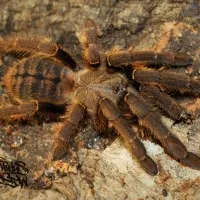
Understanding Tarantula Slings
Caring for a tarantula sling can be an incredibly rewarding experience, offering a unique glimpse into the world of arachnids. However, these tiny spiders require specialized care that differs significantly from adult tarantulas. This guide will walk you through the essential aspects of tarantula sling care, providing the knowledge you need to ensure your new pet thrives. Understanding their specific needs is paramount to their survival and well-being. From habitat setup to feeding and health, every detail matters when it comes to these delicate creatures. Prepare yourself for a journey of learning and discovery as you delve into the fascinating world of tarantula slings.
What is a Tarantula Sling?
A tarantula sling is essentially a baby tarantula, a juvenile spider in its early stages of life. They are significantly smaller than adult tarantulas, often measuring less than an inch in leg span. Their size makes them incredibly vulnerable, and their care requirements are more precise than those of their adult counterparts. Tarantula slings are undergoing rapid growth and development, making their environment and diet critical factors in their survival. During these early stages, they are also more susceptible to environmental fluctuations and require a stable, controlled environment to thrive. Understanding the specific needs of a tarantula sling is crucial for anyone considering keeping one as a pet, ensuring they are well-prepared for the responsibilities involved.
Why Are Tarantula Slings Different?

The primary difference between a tarantula sling and an adult tarantula lies in their size, making them more susceptible to environmental changes. Their exoskeletons are softer, making them vulnerable to injury. Furthermore, their metabolism is higher, which necessitates more frequent feeding. Slings also require more precise humidity and temperature control because they cannot regulate their body temperature as effectively as adults. Their enclosure needs to be appropriately sized, with smaller spaces being preferred for ease of finding food and to reduce stress. The substrate must be appropriate, too, often requiring more moisture retention to maintain humidity levels. These factors collectively highlight the need for specialized care to ensure the survival and healthy development of these tiny arachnids.
Top 5 Secrets for Thriving Tarantula Sling Care
Secret 1 Habitat Setup
Setting up the right habitat is the first and most important step in tarantula sling care. The enclosure should be appropriately sized, typically a small deli cup or a similar container with good ventilation. A secure lid is essential to prevent escapes. The habitat should mimic the tarantula’s natural environment as closely as possible. Providing the right substrate, maintaining proper humidity and ensuring adequate ventilation are crucial for their well-being. A well-designed habitat not only provides a safe haven for the sling but also facilitates its natural behaviors, such as burrowing and hunting, thus contributing to its overall health and longevity. A properly set-up habitat reduces stress, which is critical for these delicate creatures.
Substrate selection

The choice of substrate is vital in maintaining the correct humidity levels and providing a suitable environment for your tarantula sling. Popular options include a mix of coco fiber, peat moss, and vermiculite. These materials retain moisture effectively, which is essential for the sling’s health and molting process. Avoid using substrates that are too dusty or contain chemicals. The substrate should be deep enough to allow the sling to burrow, which is a natural behavior for many species. The substrate also serves as a cushion, protecting the sling from potential falls. Regularly check and replace the substrate to prevent the buildup of mold and bacteria, maintaining a clean and healthy environment.
Ventilation and Humidity
Proper ventilation is crucial to prevent mold and mildew growth in the enclosure. Ensure the enclosure has adequate ventilation holes. However, be mindful not to create too much ventilation, as this can cause the humidity levels to drop too quickly. Humidity is maintained by lightly misting the enclosure, but be careful not to saturate the substrate. The ideal humidity level varies depending on the species, so research your specific tarantula sling’s needs. Use a hygrometer to monitor the humidity levels accurately. Good ventilation combined with appropriate humidity will help your tarantula sling thrive, promoting healthy molts and preventing respiratory problems. The balance between air circulation and humidity is key to providing a healthy environment.
Secret 2 Feeding Your Sling
Feeding is a critical aspect of tarantula sling care. These tiny spiders have high metabolisms and require regular meals. The food should be appropriately sized, typically small insects like fruit flies, pinhead crickets, or pre-killed mealworms. Provide a variety of food to ensure a balanced diet. Remove any uneaten food within 24 hours to prevent mold and mites. Observe your sling’s feeding habits; if it consistently refuses food, there might be an issue with its environment or health. Feeding frequency should be adjusted based on the sling’s size and growth rate. Ensure the food is sourced from a reputable supplier to minimize the risk of pesticides. A well-fed tarantula sling is a healthy tarantula sling, and providing the right nutrition is key to their development.
Choosing the Right Food

Selecting the correct food is crucial for the healthy development of your tarantula sling. Small, live insects are the primary food source. Fruit flies, especially wingless varieties, are a popular choice because they are small, easy to manage, and nutritious. Pinhead crickets are another option, but they should be no larger than the sling’s body. Pre-killed mealworms are suitable as well; they are easy to acquire and store. Always ensure the insects are gut-loaded with nutritious food before offering them to your sling. This ensures your sling receives essential vitamins and minerals. Avoid feeding insects that have been exposed to pesticides, as these can be harmful. Provide a variety of food items to provide a balanced diet.
Feeding Frequency
Feeding frequency depends on the tarantula sling’s size and growth rate. Generally, slings should be fed two to three times a week. As they grow and molt, they may require more frequent feedings. Observe your sling’s abdomen; if it appears thin, it may need more food. Overfeeding can be detrimental, causing the sling to become overweight, which may lead to health issues. Remove any uneaten food within 24 hours. Adjust the feeding schedule based on your observations. Monitor the size of the prey in relation to the size of your sling; the prey should not be larger than the sling’s body. Keeping a consistent feeding schedule and monitoring your sling’s response is key to their healthy growth.
Secret 3 Maintaining the Right Environment
Maintaining the right environment involves controlling temperature and humidity, which are critical for a tarantula sling’s health. Fluctuations in these factors can stress the sling and hinder its growth. A stable environment promotes healthy molts and overall well-being. Regularly monitor and adjust the environmental conditions as necessary. Creating a stable and consistent environment is essential for ensuring your tarantula sling’s survival. Providing the proper climate mitigates stress and supports the natural processes that are necessary for growth and longevity.
Temperature Regulation

Temperature is a crucial aspect of tarantula sling care. The ideal temperature range varies depending on the species, but generally, a temperature between 75°F and 80°F (24°C and 27°C) is suitable. Use a thermometer to monitor the temperature in the enclosure. Avoid placing the enclosure in direct sunlight or near heat sources, which can cause the temperature to fluctuate. If necessary, use a heat mat or a small ceramic heat emitter to maintain the correct temperature. Ensure the heat source is regulated by a thermostat to prevent overheating. A stable temperature will ensure your sling’s metabolism functions correctly and promote healthy molting. Creating a warm, stable environment is vital for the tarantula sling’s health.
Misting and Humidity Control
Humidity plays a vital role in the tarantula sling’s health, especially during molting. The ideal humidity level varies depending on the species, so research the specific needs of your tarantula sling. Use a hygrometer to monitor the humidity levels accurately. Lightly mist the enclosure with dechlorinated water to maintain the desired humidity. Avoid over-misting, as this can lead to mold and fungal growth. The frequency of misting depends on the species and the environmental conditions. The substrate should be slightly moist but not waterlogged. Proper humidity promotes successful molts and ensures that your sling stays hydrated. Achieving the right balance of humidity is essential to mimic their natural environment.
Secret 4 Handling with Care
Handling tarantula slings should be kept to a minimum. These small spiders are fragile and can be easily injured. Handling them can also be stressful. If you must handle your sling, do so carefully and gently. Always wash your hands before and after handling, and avoid handling if you have any strong scents on your hands. Handle your sling near the ground or a soft surface to prevent injury if it falls. Handling should be avoided unless absolutely necessary, such as for enclosure maintenance. The less they are handled, the less stress they experience, and the more likely they are to thrive. Always prioritize the well-being of your tarantula sling.
When to Handle

Handling your tarantula sling should be limited to necessary tasks, like transferring it to a new enclosure or inspecting it for health issues. Avoid handling it simply for the sake of it. Observe your sling’s behavior; if it seems agitated or stressed, do not attempt to handle it. Before handling, ensure you have a safe, controlled environment and consider the sling’s current state. Sometimes, when the tarantula sling is about to molt, it’s best to leave it undisturbed. Only handle it if you must, and always with the utmost care. Knowing when not to handle is as crucial as knowing when it might be necessary to handle your tarantula sling.
Proper Handling Techniques
If you must handle your tarantula sling, use gentle and deliberate movements. Approach the sling slowly. Encourage it to walk onto your hand rather than trying to grab it. Keep your movements slow and avoid sudden gestures, as these can startle the sling. Handle your sling over a soft surface, such as a bed or a carpet, to minimize the risk of injury if it falls. Ensure your hands are clean and free of any lotions or perfumes that might irritate the tarantula. Never put your fingers directly in front of the spider’s fangs. Support the sling’s body gently and avoid squeezing or applying any pressure. Handle your sling carefully and respectfully, understanding that your actions directly affect its safety and stress levels.
Secret 5 Recognizing and Addressing Health Issues
Recognizing and addressing health issues promptly is critical for your tarantula sling’s well-being. Common problems include dehydration, parasitic infections, and molting problems. Regularly inspect your sling for any signs of illness, such as lethargy, loss of appetite, or unusual behavior. Promptly address any issues you observe. Understanding the signs of illness and being prepared to address them contributes greatly to the long-term health of your tarantula sling. Early intervention can often make the difference between recovery and serious health problems. Careful observation and swift action are essential parts of responsible sling care.
Common Diseases and Symptoms

Tarantula slings can suffer from several health issues. Dehydration can be a concern, particularly if the humidity levels are too low. Symptoms include a shrunken abdomen and lethargy. Parasitic infections can also occur, often stemming from contaminated food or substrate. Another common issue is molting problems, which can be caused by insufficient humidity, improper temperature, or stress. Observe your sling closely for any unusual symptoms. Look for signs of illness such as loss of appetite, sluggishness, or a swollen abdomen. If you notice any of these symptoms, it is essential to take immediate action. Recognizing the symptoms of common diseases is a crucial step in providing proper care.
Preventative Measures
Preventative measures can significantly reduce the risk of health problems in your tarantula sling. Maintain the correct humidity and temperature levels to prevent dehydration and molting problems. Provide a clean, well-ventilated enclosure to minimize the risk of parasitic infections. Ensure that the food you offer is fresh and free from contamination. Regularly clean and replace the substrate to prevent the buildup of bacteria and mold. Quarantine new tarantulas before introducing them to your collection to prevent the spread of diseases. By taking these preventative measures, you create a safe and healthy environment for your tarantula sling to thrive. Proactive care is essential for your sling’s well-being.
Advanced Tarantula Sling Care
Molting and Growth
Understanding the molting process is an essential part of advanced tarantula sling care. Molting is a natural process where the tarantula sheds its exoskeleton to grow. The frequency of molting depends on the sling’s age and species; slings molt more frequently than adults. During molting, the tarantula is vulnerable, and it is essential to avoid disturbing them. Proper humidity and a stable environment are crucial for successful molting. After molting, the tarantula’s new exoskeleton is soft, and they should not be fed for a few days until it hardens. Being familiar with the molting process provides further insight into the health and growth of your tarantula sling. Provide a safe and stable environment during molting for healthy development.
The Molting Process
The molting process is a fascinating event. Before molting, the tarantula sling may stop eating and become reclusive. They often construct a web mat to help flip over during the process. The sling will lie on its back and slowly shed its old exoskeleton. The process can take several hours or even a day, and the tarantula will be extremely vulnerable during this time. Do not disturb the sling while it is molting. Once the molting is complete, the new exoskeleton will be soft, and the sling will need some time to harden before it can resume its normal activities. Successful molting is a sign of a healthy and well-cared-for tarantula sling, and it is one of the most rewarding parts of caring for your pet.
Growth Stages
Tarantula slings go through multiple growth stages, marked by molts. Each molt represents a significant step in their development. During these stages, the sling’s size, color, and overall appearance will change. They will grow bigger, gaining new features with each molt. The frequency of molting decreases as the tarantula matures. Documenting the growth stages of your tarantula sling can be a rewarding experience. Keep track of their molts, sizes, and any changes in appearance. Careful observation of the growth stages provides insights into the health of your tarantula. This information will help you refine your care methods to ensure your sling grows successfully.
Conclusion
Caring for a tarantula sling is a fulfilling experience, but it requires a significant commitment. By understanding the specific needs of these tiny creatures, you can provide them with the environment they need to thrive. Remember to focus on habitat setup, proper feeding, environmental control, and safe handling practices. Be prepared to recognize and address any health issues promptly. With the right knowledge and dedication, you can successfully raise a healthy and thriving tarantula sling. Enjoy the process and the unique insights into the amazing world of tarantulas. Your diligence and care will be rewarded with the opportunity to witness the beauty and wonder of these fascinating creatures as they grow and develop.