Choosing Your Small Tarantula
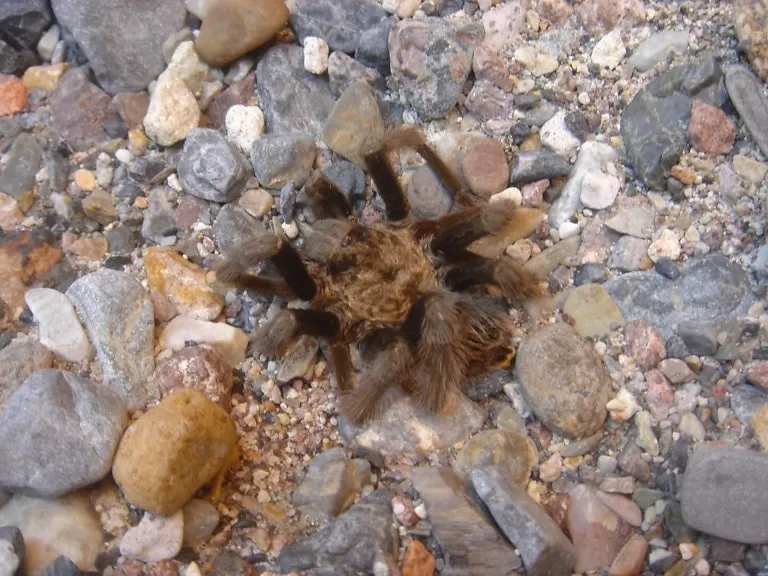
Welcoming a small tarantula into your home can be an exciting experience, offering a unique perspective on the world of arachnids. These fascinating creatures, often misunderstood, can make captivating pets. However, before you bring one home, it’s essential to understand their specific needs and choose a species that aligns with your experience level and lifestyle. This initial step is crucial for ensuring both your safety and the well-being of your new pet. With the right preparation and knowledge, you can create a thriving environment for your tarantula, fostering a rewarding pet-owner relationship.
Understanding Different Tarantula Species
Not all tarantulas are created equal, especially in terms of care requirements and temperament. Some species are more docile and easier to handle, making them ideal for beginners, while others are more defensive and require more experienced keepers. Researching different species is critical. Consider the size of the tarantula when fully grown, its venom potency (although most tarantula venom is not life-threatening to humans, it can be painful), and its temperament. Also, think about the origin and natural habitat of the tarantula, as this influences the environmental conditions you’ll need to replicate.
Best Tarantula Spider for Beginners

For those new to tarantula keeping, several species are known for their manageable temperament and relatively straightforward care. The Mexican Red Knee Tarantula (Brachypelma hamorii), for instance, is a popular choice due to its docile nature and beautiful coloration. The Chilean Rose Hair Tarantula (Grammostola rosea) is another excellent option, known for its calm demeanor and tolerance of handling. Always remember that individual personalities can vary, so observe the spider’s behavior before handling it. Start with these beginner-friendly species to gain experience and confidence before considering more challenging ones.
Tank Setup Essentials
Creating the right habitat is paramount to your tarantula’s health and happiness. The enclosure should mimic the tarantula’s natural environment as closely as possible, providing a safe and comfortable space. The size of the enclosure depends on the size of the tarantula. A general rule is to provide an enclosure that is at least three times the tarantula’s leg span in width. The height is less critical, but it should be sufficient to allow for molting without the tarantula falling from a great height, which could be fatal. Ventilation is also important to prevent the buildup of mold and maintain air quality.
Choosing the Right Enclosure
Glass terrariums or plastic enclosures are commonly used for tarantulas. Glass enclosures offer better visibility, but they can be heavier and may retain heat. Plastic enclosures are lighter, often more affordable, and easier to drill for ventilation. Make sure the enclosure has a secure lid to prevent escapes. For terrestrial species, a horizontal enclosure is best, while arboreal species, which are tree-dwelling, will need a taller enclosure with climbing opportunities. Avoid enclosures with rough surfaces that could damage the tarantula’s delicate exoskeleton during a fall.
Substrate Selection and Depth

The substrate serves as the tarantula’s floor and provides a place to burrow. The choice of substrate is crucial for maintaining humidity and providing a natural environment. Popular options include peat moss, coconut fiber (eco earth), and vermiculite. These substrates are excellent at retaining moisture, which is vital for the tarantula’s health, especially during molting. The depth of the substrate should be enough to allow the tarantula to burrow comfortably, typically 2-6 inches, depending on the species. A deeper substrate is generally better for burrowing species, allowing them to create elaborate tunnels and burrows.
Maintaining Optimal Temperature and Humidity
Tarantulas thrive in specific temperature and humidity ranges. Temperature requirements vary depending on the species, but generally, a range of 70-85°F (21-29°C) is suitable for most. Use a thermometer to monitor the temperature inside the enclosure. Humidity levels also vary by species. Tropical species require higher humidity levels (70-80%), while arid species need lower humidity (50-60%). You can increase humidity by misting the enclosure with water, especially during the molting process. Always use a hygrometer to measure humidity accurately. Ensure good ventilation to prevent mold growth.
Feeding Your Tarantula
Proper feeding is fundamental to the health and growth of your tarantula. Tarantulas are opportunistic predators, and their diet should consist of insects appropriate to their size and species. The frequency and type of food depend on the tarantula’s age, size, and metabolism. Overfeeding can lead to obesity, while underfeeding can stunt growth. Observing your tarantula’s eating habits is essential to providing the right amount of food.
What to Feed Your Spider

The most common food source for tarantulas is live insects. Crickets, mealworms, and roaches are all good choices. The size of the insects should be appropriate for the tarantula; a good rule of thumb is to feed insects that are no larger than the tarantula’s body size. Variety is also essential to ensure your tarantula gets a balanced diet. You can gut-load the insects (feeding them nutritious food before giving them to the tarantula) to enhance their nutritional value. Remove any uneaten food within 24 hours to prevent mold and mites.
Frequency and Portion Sizes
Young, growing tarantulas need to be fed more frequently than adults. Spiderlings (baby tarantulas) may need food every other day, while juveniles can be fed once or twice a week. Adult tarantulas can often be fed once a week or even less, depending on their size and activity level. Observe your tarantula’s abdomen; a well-fed tarantula will have a plump abdomen. A tarantula that refuses food may be in premolt (preparing to shed its exoskeleton) or stressed. Adjust feeding frequency as needed, and don’t worry if your tarantula occasionally refuses food.
Water and Hydration
Clean water is essential for the health of your tarantula. Provide a shallow water dish that is easily accessible. Make sure the water dish is not too deep, so your tarantula doesn’t risk drowning. You can use a sponge or small pebbles in the water dish to prevent small tarantulas from drowning. Change the water regularly, ideally every 1-2 days, to keep it fresh. The humidity provided in the enclosure also helps with hydration, and misting can offer an additional water source.
Handling and Safety

Handling a tarantula should be approached with caution and respect. While most tarantulas are not aggressive, they can bite if they feel threatened, and some species have urticating hairs that can cause skin irritation. Proper handling techniques are critical for both your safety and the tarantula’s well-being. Always wash your hands before and after handling your tarantula. If you decide to handle your tarantula, do so over a soft surface, in case it falls.
When and How to Handle Your Tarantula
Not all tarantulas tolerate handling. Some species are more docile, while others are more defensive. Before handling your tarantula, observe its behavior and body language. A stressed tarantula may display warning signs such as rearing up, flicking hairs, or raising its front legs. If the tarantula shows signs of stress, it’s best not to handle it. When handling, gently scoop the tarantula onto your open palm, and let it walk onto your hand. Never grab the tarantula, as this can startle it and cause it to bite or flick hairs. Always handle your tarantula over a soft surface.
Recognizing Stress Signs
It’s essential to recognize signs of stress in your tarantula. A stressed tarantula may exhibit various behaviors, including rearing up, flicking urticating hairs (small hairs on the abdomen that can cause skin irritation), or attempting to flee. Other signs include refusal to eat, spending excessive time in hiding, or a change in posture. If you notice any of these signs, minimize handling and ensure the enclosure’s environmental conditions are appropriate. Providing a stress-free environment is crucial for the overall well-being of your tarantula.
Health and Wellness
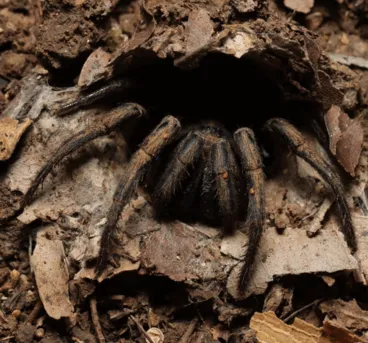
Maintaining the health and wellness of your tarantula involves providing a clean environment, a balanced diet, and monitoring for any signs of illness or stress. Like any pet, tarantulas can suffer from various health issues. Prevention is always the best approach, and regular observation of your tarantula’s behavior and appearance is crucial to detect any problems early. If you suspect your tarantula is ill, consult with a veterinarian experienced in exotic animals.
Common Tarantula Health Issues
Some common health issues in tarantulas include fungal infections (often due to poor ventilation), mite infestations (from contaminated substrate or feeders), and injuries. You can prevent many of these issues by maintaining a clean enclosure, providing proper ventilation, and using clean substrate and feeders. Keep an eye out for any unusual behavior or changes in appearance, such as lethargy, loss of appetite, or discoloration. Early detection and treatment are essential for a positive outcome. Quarantine new tarantulas before introducing them to your collection to prevent the spread of any potential diseases.
Molting Process
Molting is a natural process in which tarantulas shed their exoskeleton to grow. The frequency of molting depends on the tarantula’s age; young tarantulas molt more frequently. Premolt signs include a change in color, lethargy, and loss of appetite. The tarantula may also create a web mat or seal itself in its burrow. During molting, it’s critical to maintain high humidity to help the process, and you should not disturb the tarantula. After molting, the tarantula’s new exoskeleton will be soft, and it will need time to harden; do not feed the tarantula until its fangs have hardened completely.
5 Amazing Secrets for Tarantula Care

To summarize, here are five key secrets for exceptional tarantula care. First, carefully research and select the right species for your experience level. Second, create and maintain the correct habitat, including temperature, humidity, and substrate. Third, provide a balanced diet and appropriate feeding frequency. Fourth, handle your tarantula with caution and always be aware of its behavior. Finally, always monitor your tarantula for any signs of illness or stress. By following these secrets, you’ll increase your chances of having a healthy, happy tarantula for years to come. These fascinating creatures can bring a lot of joy and wonder.