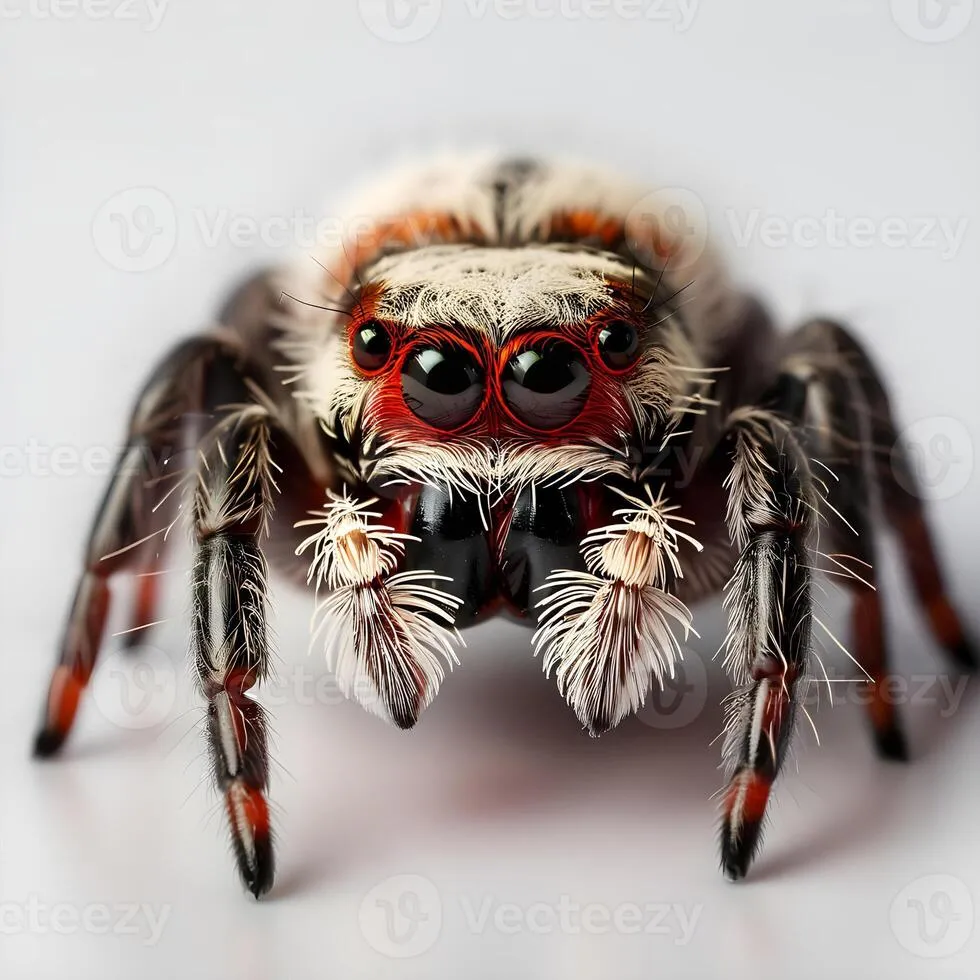
What is a Tarantula Spider?
Tarantulas are large, hairy spiders belonging to the Theraphosidae family. These fascinating creatures are found in various habitats around the world, predominantly in tropical and subtropical regions. Known for their impressive size and diverse appearances, tarantulas are often kept as pets and are a subject of both fascination and apprehension. They are nocturnal hunters, primarily preying on insects, but some larger species can also consume small vertebrates. Their lifespan can range from several years to over two decades, making them a long-term commitment for enthusiasts. Understanding their appearance is the first step in appreciating these amazing arachnids. Tarantulas are not only impressive due to their size but also their unique adaptations and behaviors which make them incredibly well-suited to their environment.
Physical Characteristics of Tarantulas
Tarantulas possess several key physical characteristics that distinguish them from other spiders. These features are essential for their survival, helping them to hunt, defend themselves, and thrive in their respective environments. From their body structure to the intricate details of their legs and hairs, each aspect plays a vital role. Examining these traits provides insight into their overall health, behavior, and the specific adaptations that allow them to excel in their niche. Understanding the physical aspects is paramount to successful identification, observation, and care of these creatures. The variations in these features across different species offer a fascinating glimpse into their evolutionary history and diversity.
Size and Shape

Tarantulas are known for their considerable size, with body lengths ranging from 1 to 4 inches, and leg spans that can exceed 10 inches in some species. Their body shape is generally robust, consisting of two main segments: the cephalothorax (fused head and chest) and the abdomen. This robust build is a clear indicator of their predatory lifestyle, providing them with the strength needed to ambush prey and defend themselves. The size of a tarantula can be an easy identification marker, but it can vary greatly depending on the species, age, and nutritional status of the spider. The shape is generally quite similar across different species, although some might have a more elongated or rounded abdomen. These variations in size and shape are important to consider when differentiating between species.
Color and Patterns
The coloration of tarantulas is incredibly diverse, ranging from solid browns and blacks to vibrant oranges, reds, blues, and whites. These colors and patterns serve multiple purposes, including camouflage, attracting mates, and warning predators. Some species exhibit intricate patterns on their carapace and abdomen, which can be key to identifying them. Many tarantulas have different colors as juveniles and adults, making it crucial to consider their life stage when identifying them. The intensity of color can also be affected by environmental factors, diet, and overall health, making it another important factor for observation. Some species have contrasting colors on their legs, chelicerae, or hairs, which add to their visual appeal and aid in identification.
Key Features for Identification
Several key features help in identifying tarantulas. Knowing these details can improve your ability to distinguish them from other species. Each aspect contributes to understanding what makes tarantulas unique and how they live in their environment. Paying attention to these features allows for better observation and appreciation of these fascinating creatures. Using these aspects makes identifying different species more straightforward, and helps with the study and protection of these animals. Studying them leads to better care for pet tarantulas.
Body Segmentation

Tarantulas, like all spiders, have their body divided into two main parts: the cephalothorax and the abdomen. The cephalothorax, also known as the prosoma, is the fused head and chest region. It houses the spider’s eyes, mouthparts, and legs. The abdomen, or opisthosoma, contains the spider’s digestive system, heart, and reproductive organs. The clear separation between these two sections is a fundamental trait. The appearance of the segmentation can differ. Some species may have distinct grooves, making the separation clearer, while in others, the division might be less noticeable. Observing the size and shape of both the cephalothorax and abdomen can help differentiate between different species.
Hairs and Setae
Tarantulas are covered in hairs and setae, which are specialized sensory structures. These hairs serve multiple functions, including sensing vibrations, helping the spider climb, and, in some species, defense. Certain tarantulas have urticating hairs on their abdomen, which they can flick at predators as a defense mechanism. These hairs are tiny and can cause irritation. The arrangement, type, and color of hairs can vary widely. Some tarantulas have short, dense hairs, while others have long, sparse ones. The presence or absence of urticating hairs and their location on the body are crucial for identification. Paying attention to the hair’s color and texture can also help when trying to determine the specific species. The setae, are also sensitive to touch and air movement.
Legs and Pedipalps
The legs of a tarantula are segmented, with each leg composed of multiple sections, including the coxa, trochanter, femur, patella, tibia, metatarsus, and tarsus. These legs are covered in hairs and claws, enabling the spider to grip surfaces effectively. The pedipalps, located near the mouth, are smaller appendages used for sensing, handling prey, and in males, for mating. The length and thickness of the legs, as well as their coloration and the presence of spines or hairs, are important identifying features. The pedipalps of male tarantulas often have modified structures, such as palpal bulbs, used for transferring sperm. Examining these characteristics is important. The overall structure and appearance of both the legs and pedipalps can provide crucial clues for identifying different tarantula species.
Where Do Tarantulas Live?

Tarantulas are found in diverse habitats around the globe, from deserts and grasslands to tropical rainforests. Their preferred environments typically include burrows in the ground, under rocks, or within tree crevices. Some species are terrestrial, living primarily on the ground, while others are arboreal, inhabiting trees. The climate of their habitats varies, with some species adapted to arid conditions and others thriving in humid environments. Knowing where a tarantula lives can provide crucial clues to its identity. Geographic location is a vital component of species identification, as different species are often endemic to specific regions. Identifying the habitat can help you predict the appearance and behavior of the tarantula. They are adapted to living in hidden places to hide from predators and to ambush prey.
Common Tarantula Species and Their Appearance
Several tarantula species are popular among enthusiasts and are easily recognized due to their distinctive appearances. Some common species are often kept as pets, allowing a closer look at their visual characteristics. Their different appearances make for engaging observing and studying. Knowing the specific traits of these spiders can help you easily identify them.
Mexican Redknee Tarantula
The Mexican Redknee tarantula (Brachypelma hamorii) is one of the most well-known and popular tarantula species. It is distinguished by its striking coloration, featuring black body and legs with vibrant orange-red bands on the joints of its legs. The carapace is typically black, with reddish hairs. They are relatively docile and well-suited for beginner tarantula keepers. They have a moderate size. They are relatively long-lived, making them a great pet.
Chaco Golden Knee Tarantula

The Chaco Golden Knee tarantula (Grammostola pulchripes) is known for its impressive size and attractive appearance. They have a dark brown to black body with golden-yellow bands on their legs, giving them their name. The carapace is dark with some golden hairs. These tarantulas are generally docile and calm. They have a moderate growth rate and a relatively long lifespan. Their leg span can reach up to 8 inches.
Pinktoe Tarantula
Pinktoe tarantulas (Avicularia genus) are arboreal tarantulas with a unique appearance. They have a dark body with pink or reddish tips on their legs. These tarantulas are known for their iridescent hairs, that often appear blue or green. Their overall appearance is striking and attractive to many keepers. They prefer to live in trees and other elevated locations. They tend to be fast and agile spiders.
How to Safely Observe and Identify Tarantulas
Observing and identifying tarantulas safely requires a combination of caution, knowledge, and the right tools. Understanding their behavior, recognizing potential hazards, and knowing the appropriate techniques can help you safely appreciate and study these remarkable creatures. Observing them allows for a better understanding of their appearance and behavior. Following these steps keeps you and the tarantulas safe. Safe observation helps prevent disturbing the tarantula and its habitat.
Tools and Techniques

When observing tarantulas in their natural habitat, it’s important to use tools like binoculars or a camera with a zoom lens to observe them from a safe distance. Avoid getting too close, as this can startle the spider and increase the risk of a defensive reaction, like flicking hairs or biting. When photographing a tarantula, it’s crucial to use a macro lens to capture the details of its physical characteristics. Be sure to have the right tools and gear to avoid getting hurt. Record your observations in a notebook or with a camera. Be careful not to disturb their natural environment.
Photographing Tarantulas
Photographing tarantulas can be a rewarding way to document their appearance and behavior. When photographing tarantulas, always prioritize the animal’s safety and avoid actions that might stress it. Use natural light whenever possible. Ensure your camera settings are optimized for the conditions. Taking clear, well-lit photos helps in identification. Focus on the key features. Take photos of the entire spider, along with close-ups of its legs, pedipalps, and any distinct markings. Be patient and allow the spider to behave naturally.
Conclusion
Identifying tarantulas is an enriching experience, offering a glimpse into the fascinating world of these amazing arachnids. By learning about their physical characteristics, habitats, and behavior, you can appreciate the diversity and unique adaptations of each species. Remember to always prioritize safety, respect the animals, and avoid disturbing their natural environment. Through careful observation, the use of proper tools, and a commitment to ethical practices, you can contribute to the appreciation and conservation of these remarkable creatures. Continue learning about tarantulas to expand your understanding and love of these animals.