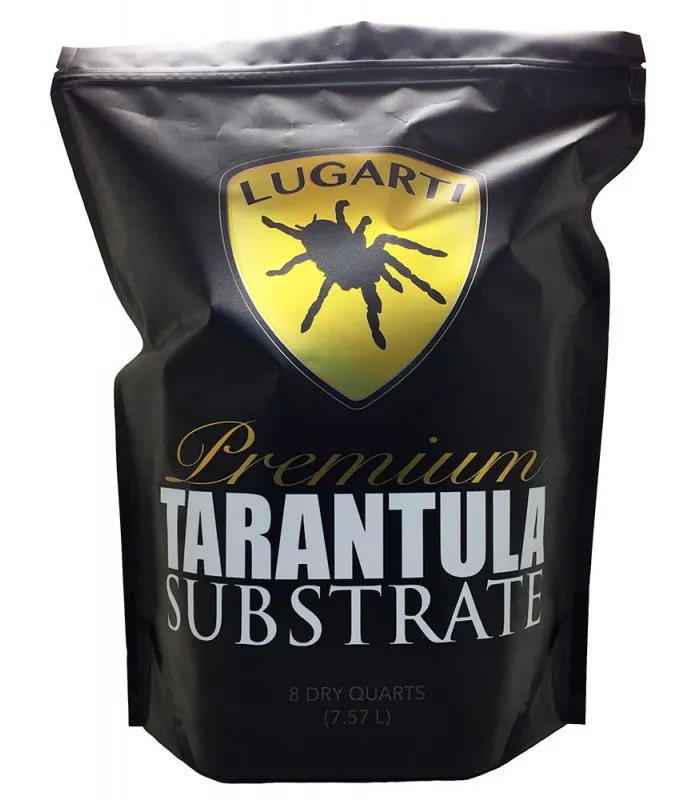
What Is Tarantula Substrate
Tarantula substrate is the material that lines the bottom of a tarantula’s enclosure, serving as a crucial element for their health and well-being. Think of it as the tarantula’s equivalent of a natural habitat floor. It’s more than just a filler; it plays several vital roles in providing a comfortable and healthy environment for your eight-legged friend. The substrate contributes significantly to the overall ambiance of the enclosure, influencing factors like humidity, burrowing behavior, and the overall hygiene of the habitat. Choosing the right substrate is paramount for the tarantula’s comfort and health, as it directly impacts its ability to thrive.
Why Is Substrate Important for Tarantulas
The substrate serves several essential functions. Firstly, it helps to regulate humidity levels within the enclosure, which is vital for the tarantula’s molting process and overall respiratory health. Furthermore, the substrate allows for burrowing, an instinctive behavior for many tarantula species, providing a sense of security and fulfilling a natural need. The material also provides a surface for the tarantula to grip and move around. Finally, it helps with waste management, absorbing some of the waste and assisting in keeping the enclosure clean. Without the right substrate, a tarantula’s life can be significantly compromised, leading to various health problems.
How Substrate Affects Humidity
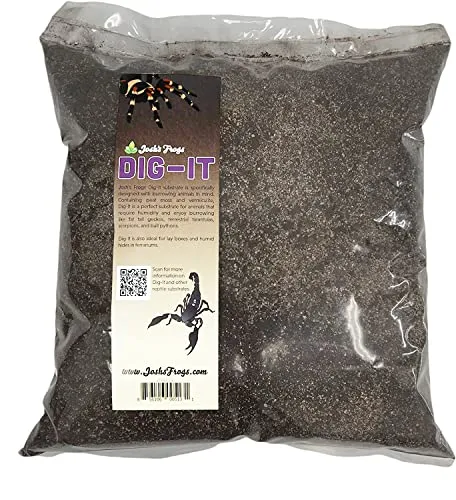
Different substrate materials have varying abilities to retain and release moisture. Substrates like coconut fiber and sphagnum moss are excellent at absorbing and maintaining humidity, making them suitable for species that require higher humidity levels. Conversely, substrates like vermiculite may not retain as much moisture, which may be preferable for species that thrive in drier environments. It’s essential to choose a substrate that matches the specific humidity needs of your tarantula species, as too much or too little humidity can lead to health issues, such as failed molts or respiratory infections. Proper humidity is achieved by providing the correct substrate and regular monitoring with a hygrometer.
How Substrate Affects Burrowing Behavior
Many tarantula species have an innate need to burrow, which provides them with a sense of security and a place to retreat. The substrate must be deep enough and of a texture that allows for this behavior. Substrates like potting soil and a mix of coconut fiber and peat moss are excellent options for burrowing tarantulas. The depth of the substrate depends on the species and size of the tarantula. A substrate that’s too shallow won’t allow the tarantula to create a secure burrow, leading to stress. Providing a substrate that meets the tarantula’s burrowing needs is crucial for its psychological well-being and overall happiness. Observing your tarantula’s behavior and providing a burrowing-friendly substrate can significantly enhance their quality of life.
Best Substrate Options for Tarantulas
Several substrate options are available, each with its own unique properties and suitability for different tarantula species. The best choice depends on several factors, including the tarantula’s species, the local environment, and the keeper’s preference. It’s essential to research the specific needs of your tarantula to determine the most appropriate substrate. Avoid using substrates that contain chemicals or pesticides, as these can be harmful to tarantulas. Providing the ideal environment can significantly improve your tarantula’s quality of life.
Coconut Fiber
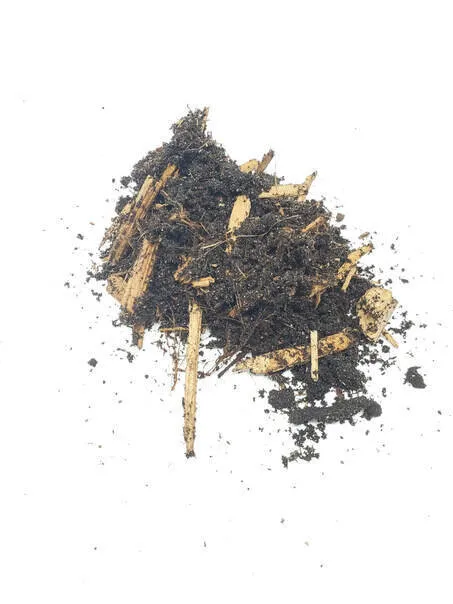
Coconut fiber, also known as coco coir, is a popular choice for many tarantula keepers. It’s a natural product made from the husks of coconuts and is available in various forms, including bricks and loose fibers. Its excellent water retention properties make it ideal for tarantula species that require higher humidity levels. It also provides a good medium for burrowing and is generally safe for tarantulas. Coco fiber is easy to find, relatively inexpensive, and easy to work with, making it a great all-around choice for beginners and experienced keepers alike.
Pros and Cons
- Pros: Excellent humidity retention, good for burrowing, readily available, affordable, and natural.
- Cons: Can mold if overwatered, may require pre-moistening, and can be dusty when dry.
Potting Soil
Plain, organic potting soil (without fertilizers or additives) can be a viable option, especially for burrowing species. It provides excellent structure for digging and can retain moisture well, although it may not be as effective as coco fiber for humidity. It’s essential to ensure that the potting soil is free from any harmful chemicals that could harm your tarantula. It is easily found, and many keepers use it successfully as part of their substrate mix.
Pros and Cons

- Pros: Excellent for burrowing, provides good humidity, natural.
- Cons: May compact over time, can be messy, requires careful sourcing to avoid chemicals.
Sphagnum Moss
Sphagnum moss is a great substrate component, especially for tarantulas that need very high humidity levels. It is incredibly absorbent and can help create a humid microclimate in the enclosure. It’s often used in conjunction with other substrates like coco fiber. Always make sure to use clean, pesticide-free sphagnum moss, as contaminated moss can be harmful to your tarantula. It is a good option for humid environments and provides a natural look.
Pros and Cons
- Pros: Excellent humidity retention, natural, visually appealing.
- Cons: Can be expensive, may require regular misting, can be prone to mold if overwatered.
Vermiculite and Perlite

Vermiculite and perlite are often used to aerate the substrate, prevent compaction, and improve drainage. Vermiculite can also hold some moisture, while perlite tends to be drier. They are not typically used as the sole substrate but as additives to other materials. These can be helpful, but it is important to ensure your tarantula will not ingest them, as this could cause problems.
Pros and Cons
- Pros: Improves aeration and drainage, can help regulate humidity.
- Cons: May not be suitable as a sole substrate, can be dusty, and tarantulas can ingest them.
Choosing the Right Substrate for Your Tarantula
The best substrate depends on the specific needs of your tarantula. Consider the following factors to make the right choice. Understanding the species’ natural environment will help you make the best decision. Researching the natural habitat can provide valuable insights into the optimal substrate conditions.
Consider the Tarantula Species
Different tarantula species have different habitat requirements. For example, arboreal species (those that live in trees) may prefer a substrate that retains less moisture than terrestrial species. Research the specific species’ needs. Terrestrial species often require a substrate that allows for burrowing. Always research the species’ specific needs for humidity, temperature, and preferred substrate type before setting up the enclosure.
Consider the Tarantula’s Size and Age
The size and age of the tarantula play a crucial role in substrate selection. Young tarantulas, or slings, often need a shallower substrate to prevent them from getting lost in the enclosure. As they grow, the substrate depth can be increased to accommodate their burrowing behavior. Adult tarantulas require a substrate that is deep enough for burrowing. Providing appropriately sized substrate will allow your tarantula to thrive and prevent injury.
Consider the Local Environment
The climate where you live can also influence your substrate choice. If you live in a dry climate, you may need to choose a substrate that retains more moisture, such as coco fiber or sphagnum moss. Conversely, if you live in a humid climate, you may want to opt for a substrate that drains well and doesn’t retain too much moisture, like a mix of potting soil and vermiculite. Local climate conditions will impact humidity and may require adjustments to your enclosure setup.
Maintaining Tarantula Substrate

Maintaining the substrate is essential for the health and well-being of your tarantula. Proper maintenance helps prevent the buildup of harmful bacteria and maintains the optimal humidity levels within the enclosure. Regular maintenance includes monitoring humidity, spot cleaning, and, eventually, replacing the substrate entirely.
Monitoring Humidity Levels
Regularly monitor the humidity levels in the enclosure using a hygrometer. Adjust the substrate or misting schedule as needed to maintain the ideal humidity range for your tarantula species. Humidity levels that are too low can lead to molting problems, while levels that are too high can encourage mold and bacterial growth. Consistent monitoring will help you prevent these issues. By monitoring humidity, you can make adjustments to ensure your tarantula’s habitat is optimized.
Spot Cleaning and Replacing Substrate
Spot cleaning is a regular maintenance task that involves removing any visible waste, uneaten food, and shed exoskeletons from the substrate. This helps to keep the enclosure clean and reduces the risk of bacterial buildup. Replace the substrate entirely every six to twelve months, depending on the species, enclosure size, and how quickly the substrate becomes soiled. This will help prevent the buildup of waste products and maintain a healthy environment. By consistently cleaning the enclosure, you will enhance your tarantula’s living conditions.
Signs of a Problematic Substrate
Several signs can indicate that your tarantula’s substrate needs attention. If the substrate is excessively wet or moldy, it needs to be replaced immediately. Another sign is the presence of pests, like mites or springtails, which can indicate that the substrate is not healthy. The substrate’s appearance, smell, and the tarantula’s behavior can all give clues about its health. Observing your tarantula and its enclosure closely is key to maintaining a healthy environment. If you see any signs of a problem, take immediate action to rectify it to protect your tarantula’s health.
Choosing the right substrate is a fundamental aspect of tarantula care, directly impacting the health and well-being of your pet. Understanding the different substrate options, their pros and cons, and how they affect the tarantula’s habitat is crucial for providing a comfortable and thriving environment. By following the guidelines outlined in this guide, you can create the perfect habitat for your tarantula. Remember to always research the specific needs of your tarantula species and adjust your care routine as needed. Happy spider keeping!