
Understanding Tarantula Substrate Moistness
Maintaining the correct substrate moistness is crucial for the health and well-being of your tarantula. The substrate, the bedding material at the bottom of the enclosure, serves multiple purposes. It provides a comfortable environment for your tarantula to burrow, hide, and feel secure. Additionally, it plays a vital role in regulating humidity levels within the enclosure, which is essential for successful molting and overall health. Understanding the intricacies of substrate moisture is, therefore, fundamental to responsible tarantula ownership. This guide will delve into the specifics, ensuring you have the knowledge to provide the best possible care for your eight-legged friend. Properly managing the substrate’s moisture content involves a delicate balance, so let’s explore the hows and whys.
Why Moist Substrate Matters for Tarantulas
Moist substrate is paramount because it directly impacts the tarantula’s ability to molt successfully. During the molting process, the tarantula sheds its exoskeleton. The right humidity helps the old skin to split properly and allows the tarantula to emerge without difficulties. Dry conditions can lead to a failed molt, which can be fatal. Moreover, correct moisture levels help maintain the overall health of the tarantula by preventing dehydration. Tarantulas absorb moisture through their environment; the substrate serves as a primary source of hydration. Without proper humidity, they may struggle to stay adequately hydrated, leading to various health complications. The substrate also provides a buffer against environmental fluctuations, contributing to a more stable and healthy living space.
Humidity Requirements for Different Tarantula Species
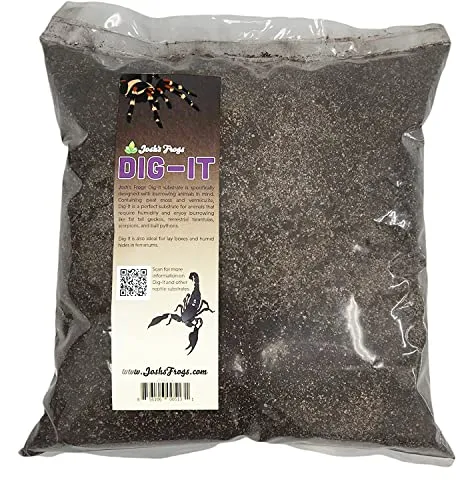
Not all tarantulas have the same humidity needs. Tropical species, originating from rainforest environments, require higher humidity levels, often between 70% and 80%. Examples of these species include the Pinktoe Tarantula (Avicularia avicularia) and the Greenbottle Blue Tarantula (Chromatopelma cyaneopubescens). These tarantulas thrive in more humid conditions because their natural habitats are consistently moist. Conversely, terrestrial tarantulas from drier climates, such as the Desert Blonde Tarantula (Aphonopelma chalcodes), need significantly lower humidity, around 50% to 60%. Researching the specific needs of your tarantula species is the first and most important step in providing proper care. This includes understanding their natural habitat and replicating those conditions in your enclosure to ensure their well-being.
Signs of Improper Substrate Moistness
Several signs can indicate that the substrate’s moistness is not optimal. If the substrate appears consistently dry, dusty, or powdery, it’s likely too dry. This can be observed by a lack of condensation on the enclosure walls. A dehydrated tarantula may also exhibit lethargy, lack of appetite, and difficulty molting. Conversely, if the substrate is excessively wet, muddy, and stagnant, it’s a sign of overwatering. Overly moist conditions can promote mold and bacterial growth, which is harmful to your tarantula. The tarantula might also appear sluggish or be reluctant to leave its burrow. Regularly inspecting the substrate and observing your tarantula’s behavior are crucial for detecting and addressing these issues promptly. The enclosure, if too moist, can also attract unwanted pests, which may also pose a health risk.
How to Properly Moisten Tarantula Substrate
Choosing the Right Substrate
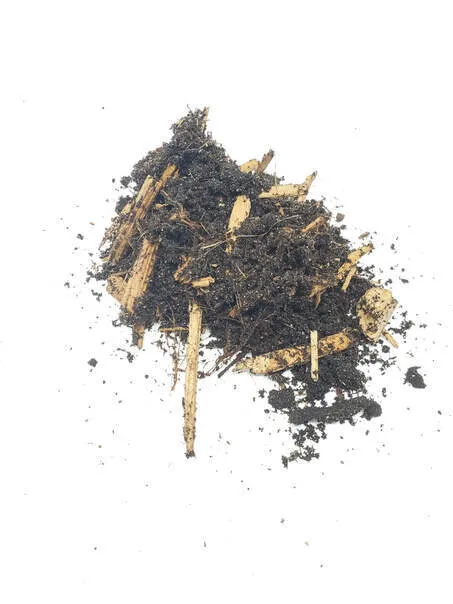
The choice of substrate significantly impacts how easily you can maintain the appropriate moisture levels. Common substrate options include coconut fiber (coco coir), peat moss, vermiculite, and potting soil. Coconut fiber is a popular choice because it retains moisture well, resists mold, and is readily available. Peat moss offers similar benefits. Vermiculite, a mineral, is excellent for retaining moisture but might not be suitable as the sole substrate. Potting soil can be used, but ensure it is free of fertilizers and pesticides that can harm your tarantula. The best substrate choice depends on the tarantula’s species and its specific humidity needs. Combining different substrate types can also be beneficial, providing a balance of moisture retention and drainage.
Substrate Types and Water Retention
Different substrate materials have varying water retention capabilities. Coconut fiber and peat moss are renowned for their excellent water retention, making them suitable for species that require high humidity. Vermiculite also excels at holding water but can compact over time. Sand and gravel, on the other hand, drain quickly and may not be ideal for maintaining humidity. The ability of a substrate to retain water is determined by its composition, particle size, and surface area. Finer particles tend to retain more water than larger ones. Selecting the right substrate, therefore, involves considering both the tarantula’s humidity needs and the water retention properties of the material. This careful selection process can significantly simplify the task of regulating enclosure humidity.
Watering Methods
There are two primary methods for watering tarantula enclosures spot watering and flooding. Spot watering involves directly adding water to a specific area of the substrate, usually in one corner of the enclosure. This method is suitable for maintaining localized moisture, especially for species that prefer drier conditions. It allows the tarantula to choose its preferred moisture level. Flooding, on the other hand, involves saturating a larger portion of the substrate. This method is better suited for species that require high humidity and is typically done by gently pouring water over a larger area. It is crucial to select the method that best suits your tarantula’s needs and enclosure setup.
Spot Watering vs. Flooding

Spot watering is ideal for creating localized humidity gradients within the enclosure. By watering one corner, you allow the tarantula to choose whether to stay in a drier or moister area. This method is beneficial for tarantulas that don’t require high humidity or for species where excessive moisture could lead to health problems. Flooding, however, is a more intensive method, often used for tropical species. When flooding, ensure the water is evenly distributed and that the substrate does not become excessively saturated. Regardless of the method, providing a water dish with fresh water is essential. This allows the tarantula to drink and ensures access to clean water at all times. Consider the natural habitat of your tarantula when deciding between these methods.
Frequency of Watering
The frequency of watering depends on your tarantula species, the substrate type, and the ambient humidity of your home. For species requiring higher humidity, you might need to water the substrate every few days or even daily, especially if you are using a substrate that dries out quickly. For species requiring lower humidity, watering once or twice a week may suffice. Monitoring the substrate’s moisture level is essential to determine the correct watering frequency. Check the substrate regularly, looking for dryness, and use a hygrometer to measure the humidity level. Adjust the frequency based on these observations. Avoid overwatering, which can lead to mold growth and other problems. Aim for a moist, not soaked, environment.
Monitoring Substrate Moistness
Tools for Monitoring Moistness

Several tools can help you monitor substrate moistness effectively. A basic visual inspection is a good starting point. More advanced tools like a hygrometer provide objective data. A hygrometer is an instrument that measures humidity levels in the enclosure. Knowing the humidity level is invaluable, particularly for species with specific humidity requirements. A soil moisture meter can also be used to measure the moisture content of the substrate directly. These tools provide a more precise and consistent assessment of the conditions within the enclosure. Proper monitoring ensures that you provide the optimal environment for your tarantula’s health and well-being.
Visual Inspection
A simple visual inspection is the first step in assessing the substrate’s moistness. Check the substrate’s appearance for dryness or excessive wetness. Look for any signs of mold, which can indicate overwatering. Additionally, look for condensation on the enclosure walls, as this often indicates high humidity. Lift up the substrate to check how deep the moisture penetrates. The top layer might appear dry, while the lower layers are still moist. This basic inspection should be performed regularly, ideally every day or every other day, depending on the species and its needs. If you notice any changes in the substrate’s appearance, such as discoloration or unusual smells, it might indicate a problem with the moisture levels.
Using a Hygrometer
A hygrometer is a valuable tool for accurately measuring the humidity levels within the tarantula enclosure. Place the hygrometer inside the enclosure, ensuring it is positioned in a location where it receives an accurate reading of the ambient humidity. Avoid placing it directly under the heat source, which may affect the readings. Regularly check the hygrometer readings, comparing them to the humidity requirements of your specific tarantula species. If the humidity is too low, increase the moisture by watering the substrate or adjusting ventilation. If the humidity is too high, improve ventilation and reduce watering frequency. By using a hygrometer, you can ensure that the environmental conditions are suitable for your tarantula.
Maintaining Optimal Humidity Levels
Ventilation and Airflow
Proper ventilation is crucial for maintaining the right humidity levels and preventing mold and bacterial growth. Enclosures should have adequate airflow to prevent stagnant conditions. This can be achieved by using enclosures with appropriate ventilation holes. These ventilation holes must be sized to prevent escape, and should still allow for effective air circulation. The number and size of the ventilation holes will affect the enclosure’s humidity. More ventilation leads to lower humidity, while less ventilation leads to higher humidity. For species that require high humidity, you may need to partially cover the ventilation holes to retain moisture. For species that need lower humidity, ensure good airflow. Balancing ventilation and humidity is essential to maintaining a healthy enclosure.
Adjusting for Enclosure Type
The type of enclosure you use also affects how you maintain moisture levels. Glass enclosures tend to retain moisture better than plastic enclosures. Therefore, you might need to adjust your watering frequency or ventilation based on the material. Plastic enclosures might require more frequent watering and less ventilation because they do not retain humidity as well. The size of the enclosure also matters. Larger enclosures will naturally have a lower humidity level than smaller ones, and you may need to adjust watering accordingly. Carefully consider the enclosure type and size, along with the specific humidity needs of your tarantula, to ensure the correct moisture levels.
Common Mistakes and How to Avoid Them

Overwatering vs. Underwatering
Overwatering and underwatering are the most common mistakes. Overwatering can lead to mold and bacterial growth, which pose serious health risks to your tarantula. Signs of overwatering include a consistently wet substrate and a musty odor. If you notice these signs, reduce the watering frequency and improve ventilation. Underwatering leads to dehydration and failed molts. Signs of underwatering include a dry substrate and a lethargic tarantula. If you see these signs, increase the watering frequency and ensure the humidity levels are appropriate. Regularly monitoring the substrate and observing your tarantula’s behavior will help you identify and correct these issues quickly. The correct balance is critical for tarantula health, so pay close attention to these details.
Ignoring Species-Specific Needs
One of the biggest mistakes is failing to research and meet the specific humidity needs of your tarantula species. Each species comes from a different natural habitat, and their requirements can vary significantly. Some tarantulas need high humidity, while others thrive in drier conditions. For instance, a desert species should not be kept in a highly humid environment, as this could lead to health problems. Similarly, a tropical species will suffer in a dry enclosure. Before acquiring a tarantula, thoroughly research its natural habitat and humidity requirements. Replicating these conditions in your enclosure is the most important step in providing proper care. Don’t make assumptions. Always consult species-specific care guides for optimal results.
In conclusion, maintaining the correct substrate moistness is a vital aspect of tarantula care. By understanding the importance of humidity, choosing the right substrate, utilizing proper watering techniques, monitoring moisture levels, and avoiding common mistakes, you can create a healthy and comfortable environment for your tarantula. Remember to research the specific needs of your tarantula species and adjust your care accordingly. With consistent attention to detail, you can ensure your tarantula thrives.