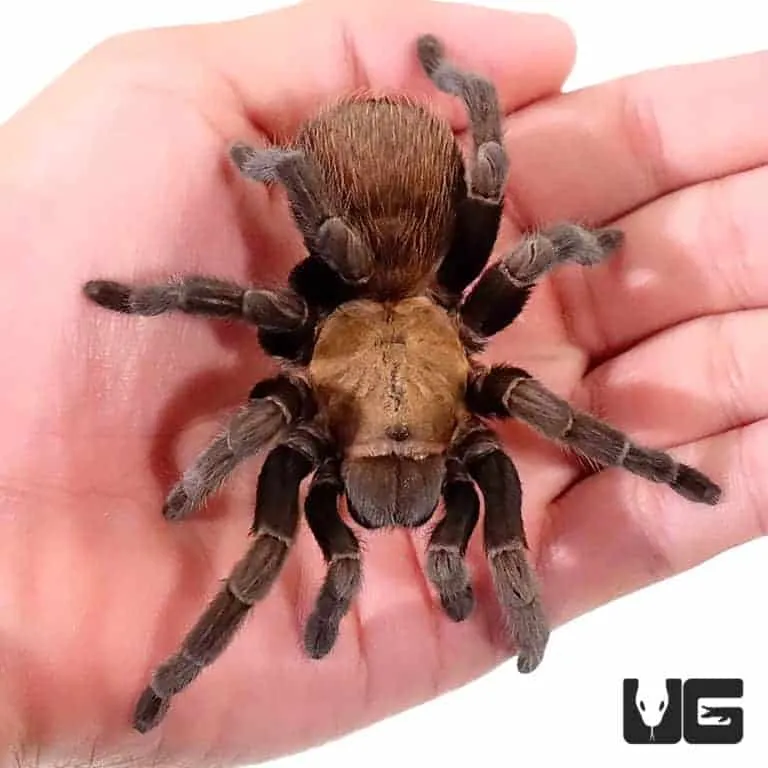
Texas Brown Tarantulas Essentials
The Texas Brown Tarantula (Aphonopelma anax) is a fascinating and relatively docile species, making it a popular choice for both novice and experienced tarantula keepers. Native to the southwestern United States, these spiders are known for their impressive size and calm demeanor. Understanding the basic needs of a Texas Brown Tarantula is crucial for ensuring its health and well-being. This guide covers everything you need to know about caring for these amazing creatures, from enclosure setup and feeding to handling and health. By providing the right environment and care, you can enjoy the unique experience of keeping a Texas Brown Tarantula.
Choosing Your Texas Brown Tarantula
When selecting a Texas Brown Tarantula, it’s important to choose a healthy specimen. Look for a tarantula that is active and alert, with a plump abdomen. Avoid spiders that appear lethargic, have a shrunken abdomen (indicating dehydration or starvation), or show signs of parasites or injuries. It’s often best to purchase a tarantula from a reputable breeder or pet store specializing in arachnids, as they can provide information about the spider’s origin, age, and care requirements. Avoid wild-caught tarantulas whenever possible, as they may carry diseases or parasites and are often stressed.
Where to Find a Texas Brown Tarantula

Texas Brown Tarantulas can be found in several ways. Reputable breeders are often the best option, as they are knowledgeable and can provide healthy specimens. Local pet stores specializing in reptiles and arachnids may also carry them. Additionally, online marketplaces and specialized reptile expos can be sources, but it’s crucial to research the seller’s reputation. Always verify the seller’s reliability to avoid purchasing unhealthy or improperly cared-for tarantulas. Ensure the seller provides detailed information about the tarantula’s origin and care history.
Setting Up Your Texas Brown Tarantula Enclosure
Creating a suitable habitat is fundamental for the health and happiness of your Texas Brown Tarantula. The enclosure should mimic its natural environment as closely as possible, providing the necessary space, temperature, humidity, and shelter. Proper setup not only ensures the tarantula’s well-being but also allows you to observe its fascinating behavior. This section will guide you through setting up the perfect home for your new pet, from choosing the right enclosure size to providing the ideal substrate and furnishings.
Enclosure Size and Type
The size of the enclosure should be appropriate for the tarantula’s size. A good rule of thumb is to provide an enclosure that is at least three times the tarantula’s leg span in width and length, and twice the leg span in height. For juvenile tarantulas, a smaller enclosure may be preferable to make it easier for them to find their food. As the tarantula grows, you’ll need to upgrade to a larger enclosure. Glass terrariums or clear plastic enclosures with secure lids are ideal, as they allow for easy viewing and provide good ventilation. Make sure the lid is escape-proof and well-ventilated to prevent the buildup of moisture and ensure proper airflow. A front-opening enclosure can make it easier to feed and care for your tarantula.
Substrate and Furnishings

The substrate should be deep enough for the tarantula to burrow if it chooses to. A mixture of coco fiber, peat moss, and a small amount of vermiculite is a good choice, as it retains moisture well and allows for burrowing. The substrate should be at least 4-6 inches deep. Provide a hide, such as a piece of cork bark or a hollow log, for the tarantula to retreat to and feel secure. You can also add other furnishings, such as artificial plants or rocks, to create a more natural and visually appealing environment. Avoid using sharp or rough materials that could injure your tarantula. Make sure any decorations are securely placed to prevent them from falling and potentially harming the spider.
Maintaining the Ideal Environment for Your Tarantula
Maintaining the correct temperature, humidity, and lighting is essential for your Texas Brown Tarantula’s health and well-being. These factors closely replicate its natural habitat, which is essential for its survival. Regular monitoring and adjustments are necessary to ensure the enclosure provides the ideal conditions. In the following sections, we’ll delve into each of these environmental aspects and explain how to properly manage them.
Temperature and Humidity
Texas Brown Tarantulas thrive in temperatures between 75-85°F (24-29°C). A heat mat placed on the side of the enclosure can help maintain the proper temperature, especially during cooler months. Avoid placing the heat mat directly under the enclosure, as this can cause the substrate to dry out too quickly. Humidity levels should be maintained between 60-70%. You can monitor humidity using a hygrometer. To increase humidity, lightly mist the enclosure with dechlorinated water. Ensure there is adequate ventilation to prevent mold growth. Avoid excessive misting, as this can lead to health issues.
Lighting Considerations

Texas Brown Tarantulas do not require special lighting. They are nocturnal creatures and prefer to hide during the day. Standard room lighting is usually sufficient. Avoid placing the enclosure in direct sunlight, as this can overheat the enclosure and stress the tarantula. If you want to provide a light source, use a low-wattage LED bulb or a red or blue heat lamp to observe the tarantula without disturbing its natural behaviors. Ensure the lighting doesn’t significantly raise the temperature in the enclosure.
Feeding Your Texas Brown Tarantula
Proper feeding is crucial for the health and growth of your Texas Brown Tarantula. They are primarily insectivores, meaning their diet consists mainly of insects. Providing the right food in the correct amounts ensures your tarantula receives the necessary nutrients. This section details the ideal diet, feeding frequency, and amounts to keep your pet healthy and thriving.
What to Feed Your Tarantula
The primary diet for a Texas Brown Tarantula consists of insects. Crickets, mealworms, and roaches are common and readily available options. The size of the insects should be appropriate for the size of your tarantula; a good rule of thumb is to feed insects that are no larger than the tarantula’s body. It is important to gut-load the insects before feeding them to your tarantula. Gut-loading involves feeding the insects a nutritious diet (such as commercial insect food or fresh vegetables) for 24-48 hours before feeding them to your tarantula. This ensures that the tarantula gets a balanced diet. Avoid feeding wild-caught insects, as they may carry parasites or pesticides.
Feeding Frequency and Amounts

The feeding frequency depends on the tarantula’s age and size. Spiderlings (young tarantulas) should be fed two to three times a week, while adult tarantulas can be fed once or twice a week. Offer one or two insects per feeding, and remove any uneaten insects within 24 hours to prevent them from stressing the tarantula. Adjust the feeding schedule based on the tarantula’s appetite and body condition. A well-fed tarantula will have a plump abdomen; a thin abdomen may indicate that it is not eating enough. Observe your tarantula and adjust its diet accordingly.
Watering Your Texas Brown Tarantula
Providing a clean water source is essential for your Texas Brown Tarantula’s hydration and overall health. They need regular access to fresh water to stay hydrated and to aid in the molting process. It’s crucial to ensure that the water is clean and accessible at all times. This section outlines how to provide the appropriate water source and maintain its cleanliness.
Providing Fresh Water
Always provide fresh, clean water for your Texas Brown Tarantula. A shallow water dish is ideal; ensure the dish is not too deep to prevent the tarantula from drowning. Use a water dish made of a non-toxic material, such as plastic or ceramic. Change the water at least once a week, or more often if it becomes soiled. For spiderlings, you can use a bottle cap filled with water or place a small, water-soaked cotton ball in the enclosure. The cotton ball should be replaced regularly to prevent mold growth.
Monitoring and Handling Your Texas Brown Tarantula

Regular observation and careful handling are critical aspects of tarantula care. Knowing how to identify signs of a healthy tarantula and practicing safe handling techniques ensures both your safety and the well-being of the spider. This section covers essential aspects of monitoring your tarantula and safe handling procedures.
Identifying a Healthy Tarantula
A healthy Texas Brown Tarantula is active and alert, with a plump abdomen. It should readily accept food and move around its enclosure. The tarantula’s fangs should be intact, and it should not show any signs of injury or parasitic infestation. The legs and pedipalps should be intact and function properly. Look for clean, clear eyes. Signs of illness include lethargy, loss of appetite, a shrunken abdomen, or unusual behavior. If you notice any of these signs, consult a veterinarian or an experienced tarantula keeper.
Handling Safely
Handling a Texas Brown Tarantula should be done with caution. While they are generally docile, they can still bite if they feel threatened. Always handle your tarantula over a soft surface, such as a bed or carpet, in case it falls. Avoid handling your tarantula if it is about to molt or has recently molted, as they are particularly vulnerable during these times. Handle gently and avoid sudden movements. If the tarantula shows signs of stress, such as raising its front legs or flicking hairs from its abdomen, put it back in its enclosure immediately. Washing your hands before and after handling is recommended to prevent the spread of germs.
Common Health Issues and Prevention

Like any pet, Texas Brown Tarantulas can be susceptible to certain health issues. Understanding these common problems and how to prevent them is crucial for their longevity and well-being. From proper enclosure conditions to recognizing the signs of illness, this section provides valuable insights into maintaining a healthy tarantula.
Moulting Process
Moulting is a natural process where the tarantula sheds its exoskeleton to grow. The frequency of moulting depends on the tarantula’s age and growth rate. Young tarantulas moult more frequently than adults. During the moulting process, the tarantula may stop eating and become inactive. It will usually flip onto its back and shed its exoskeleton. Do not disturb the tarantula during this process. After moulting, the tarantula’s new exoskeleton will be soft; do not feed it for a few days until the exoskeleton hardens. Remove the old exoskeleton from the enclosure after the tarantula has fully hardened.
Recognizing and Addressing Health Problems
Common health issues include mites, fungal infections, and injuries. Mites can be identified as tiny, moving specks on the tarantula or its enclosure. Fungal infections can result from excessive humidity or poor ventilation. Injuries can occur from falls or attacks by prey. If you notice any signs of illness, such as lethargy, loss of appetite, or unusual behavior, consult a veterinarian experienced with arachnids or an experienced tarantula keeper. Maintain a clean and appropriate environment to prevent health problems. Ensure that you provide proper ventilation, correct humidity levels, and appropriate temperatures to keep your tarantula healthy and thriving. Early detection and treatment of any health issues are crucial for the tarantula’s well-being. Regularly inspect your tarantula and its enclosure for signs of any problems.
Caring for a Texas Brown Tarantula can be a rewarding experience. By providing the right environment, proper feeding, and careful handling, you can enjoy the unique experience of keeping one of these fascinating creatures. Remember to research and learn about tarantula care, and always prioritize the health and well-being of your pet.