Understanding Tarantula Veterinary Care
Caring for a tarantula involves more than just providing food and a habitat; it sometimes requires professional veterinary attention. While tarantulas are relatively low-maintenance pets, they can encounter health issues that necessitate a visit to a qualified exotic animal veterinarian. This guide provides an overview of tarantula veterinary care, including when to seek help, what to expect during a vet visit, and the associated costs. Understanding these aspects is crucial for responsible tarantula ownership, ensuring the well-being and longevity of your eight-legged friend. Proper veterinary care can make a significant difference in your tarantula’s quality of life, helping to identify and address health problems early on.
Why Tarantulas Need Veterinary Care
Tarantulas, like all living creatures, can fall ill or suffer injuries. Their unique physiology and environment-specific needs mean that standard veterinary practices might not always apply. Reasons to seek veterinary care include diagnosing and treating illnesses, addressing injuries from falls or attacks, and providing advice on proper husbandry to prevent future health problems. A veterinarian specializing in exotic animals possesses the knowledge and equipment necessary to diagnose and treat tarantulas effectively. Early intervention often improves the prognosis for various health conditions, highlighting the importance of recognizing signs that indicate veterinary attention is needed.
Signs Your Tarantula Needs a Vet

Identifying when your tarantula requires veterinary care is crucial for timely intervention. Several behavioral and physical signs indicate that your tarantula might be unwell. These signs include loss of appetite, lethargy, or inactivity beyond normal periods. Other indicators include difficulty molting, which can lead to serious complications if not addressed, any visible injuries such as damaged legs or a swollen abdomen, unusual changes in the tarantula’s body condition, and the presence of parasites. Recognizing these signs early can help you get your tarantula the care it needs quickly, increasing the chances of a successful recovery. Prompt action can also prevent minor problems from escalating into more severe health crises.
Common Tarantula Health Issues
Tarantulas are susceptible to a variety of health problems, often influenced by environmental factors and husbandry practices. Understanding these issues can help owners proactively manage their tarantula’s health and recognize potential problems. Many health issues in tarantulas are preventable through appropriate care, but early detection is critical if problems do arise. Common health issues include those related to their respiratory systems, infections, molting problems, and injuries. Each of these conditions requires a specific approach to diagnosis and treatment, underscoring the importance of a vet’s expertise in exotic animal care.
Respiratory Problems
Respiratory issues in tarantulas can arise from poor environmental conditions, such as excessive humidity or the presence of harmful chemicals in the enclosure. Symptoms include labored breathing or lethargy. Respiratory infections can be bacterial or fungal, and treatment typically involves addressing the underlying cause and possibly administering antibiotics or antifungals. Regular monitoring of the enclosure’s humidity levels and ventilation is crucial to prevent these problems.
Parasites and Infections

Tarantulas can suffer from various parasitic infestations and bacterial or fungal infections. Parasites, such as mites, can irritate the tarantula and lead to secondary infections. Infections are often caused by bacteria or fungi in the environment. Symptoms can vary widely, from lethargy and loss of appetite to visible lesions or discoloration. Veterinary care is essential for diagnosing the specific pathogen and prescribing appropriate treatments. Maintaining a clean and well-ventilated environment is crucial for preventing infections.
Molting Problems
Molting is a natural process in tarantulas, but difficulties can occur. Stuck molts, where the tarantula struggles to shed its exoskeleton, can lead to severe health issues. These issues include dehydration and injury. Providing the correct humidity levels and a suitable environment is important to facilitate the molting process. A vet can assist in removing a stuck molt and preventing complications if the tarantula is unable to shed on its own. Molting problems are often a sign of an underlying health issue or improper environmental conditions.
Trauma and Injuries
Tarantulas can sustain injuries from falls, attacks by other animals, or accidents within their enclosure. Common injuries include leg damage or damage to the abdomen. These injuries can range from minor to severe. The vet can assess the injury’s severity and provide appropriate care, such as wound cleaning, medication, or, in some cases, surgical intervention. A safe enclosure design minimizes the risk of injuries, along with careful handling and observation.
What to Expect at a Tarantula Vet Visit

A visit to the tarantula vet involves several steps, from the initial consultation to the final treatment plan. Preparing for the visit and knowing what to expect can reduce stress for both the tarantula and the owner. The process typically begins with gathering detailed information about the tarantula’s history, including its age, species, and any previous health issues. The vet then conducts a physical examination, focusing on the tarantula’s overall condition and specific areas of concern. Diagnostic procedures may be required to confirm the diagnosis and determine the best course of treatment.
Finding a Qualified Exotic Vet
Finding a veterinarian experienced in treating exotic animals, including tarantulas, is crucial for providing the best care. Not all vets have expertise in these species. The best way to find a qualified vet is to ask for referrals from other tarantula owners, local pet stores specializing in exotic pets, or online forums dedicated to tarantula care. When selecting a vet, consider their experience with arachnids, the equipment and facilities available, and their willingness to answer questions and provide information about your tarantula’s health. It’s also wise to read reviews and check the vet’s credentials and certifications.
Preparing for the Vet Visit
Before the vet visit, you can take steps to prepare and make the process smoother. Gather as much information as possible about the tarantula’s history, including its age, species, diet, and any known health problems. Bring the tarantula in a secure, appropriately sized container with good ventilation. Also, bring a sample of its enclosure substrate, any molted exoskeletons, and any uneaten food. These items can help the vet assess the tarantula’s environment and health. Make a list of questions you have, including any specific symptoms or concerns you’ve observed, and any recent changes to the tarantula’s environment or diet.
What the Vet Will Examine

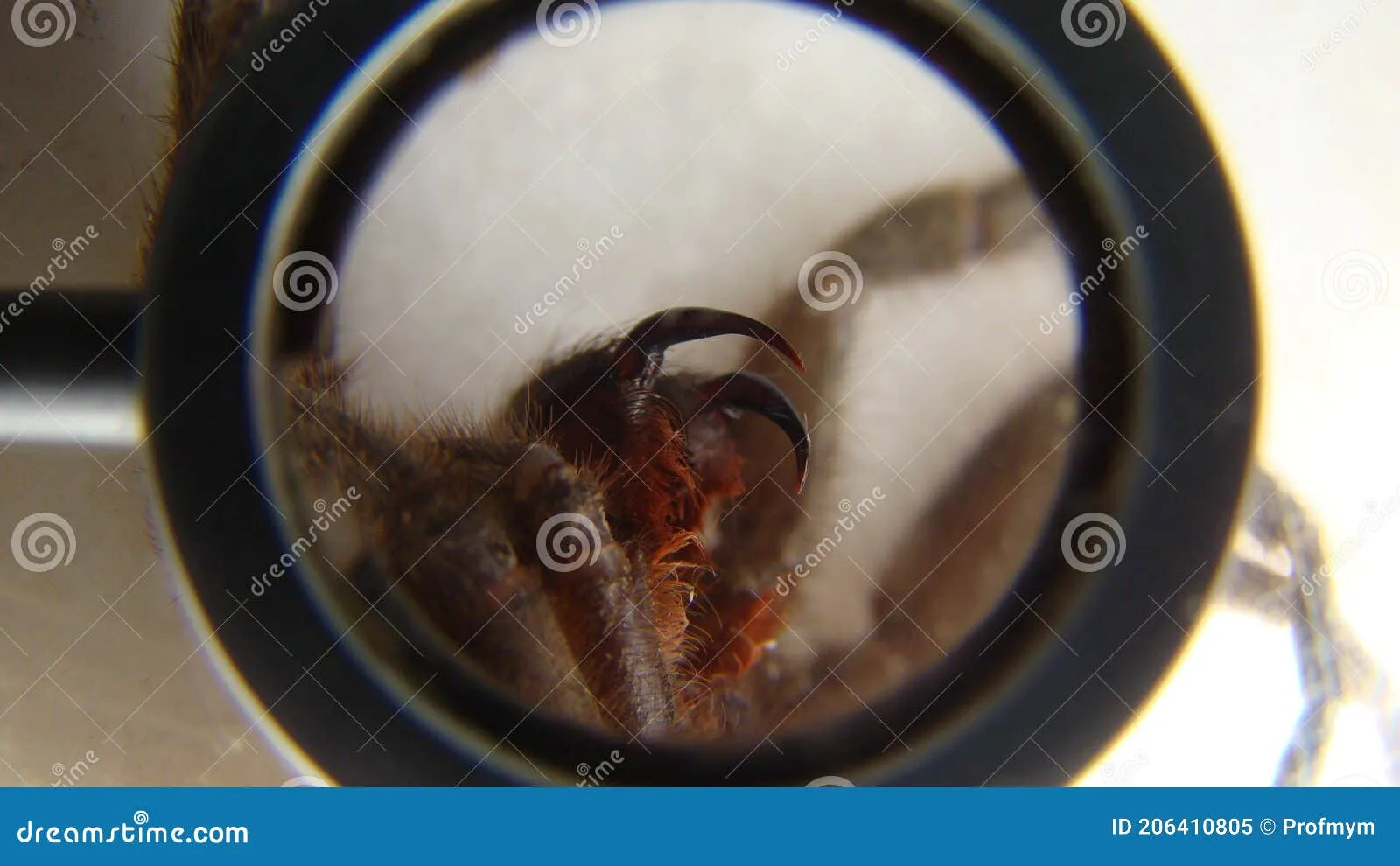
During the vet visit, the veterinarian will conduct a thorough physical examination. The vet will carefully assess the tarantula’s overall condition, looking for signs of illness or injury. The examination will involve checking the tarantula’s abdomen for swelling or discoloration, looking at the legs for damage, and observing its movement and behavior. The vet will also inspect the fangs, chelicerae, and pedipalps. Furthermore, the vet might check for external parasites. The vet may also examine the tarantula’s environment for contributing factors to its health problems. The examination helps the vet gather valuable information to make an accurate diagnosis.
Diagnostic Procedures
If the physical examination reveals potential health issues, the vet might recommend additional diagnostic procedures. These tests help confirm the diagnosis and provide information to create a treatment plan. Diagnostic procedures include microscopic examinations of the tarantula’s exoskeleton or fecal samples to detect parasites or infections. In some cases, the vet may take samples for bacterial or fungal cultures to identify the specific pathogen causing the illness. Advanced imaging techniques, such as X-rays, are not typically used for tarantulas due to their anatomy, but the vet will choose the best approach based on the observed symptoms and the suspected health problem.
Treatment Options
Treatment options for tarantulas vary depending on the diagnosed health issue. The vet will develop a tailored treatment plan based on the severity of the condition and the specific needs of the tarantula. Treatment options range from medications, such as antibiotics or antifungals, to address infections, to topical treatments for injuries or parasites. If the tarantula has problems with molting, the vet may help remove stuck molts or offer advice on improving environmental conditions to facilitate molting. In extreme cases, more invasive interventions may be required, but the vet will discuss all options and any risks involved with you.
Medications and Care

Administering medications and providing post-treatment care for your tarantula are critical for a successful recovery. The vet will provide instructions on how to administer medications, including dosage and frequency. Follow the vet’s instructions carefully to ensure the medication is effective. Proper post-treatment care might also involve making adjustments to the tarantula’s enclosure, such as increasing humidity or improving ventilation. It is essential to monitor your tarantula closely for any side effects from the medication or signs of a recurrence of the illness. Keep a clean environment to avoid infections and provide a stress-free environment to promote recovery.
The Cost Breakdown of Tarantula Vet Visits
The cost of a tarantula vet visit can vary significantly based on several factors, including the type of veterinary practice, the specific services required, and the location. Understanding the potential costs can help you budget for your tarantula’s healthcare needs and prevent unexpected expenses. The costs generally fall into several categories. The main cost elements of a tarantula vet visit typically include consultation fees, exam fees, diagnostic procedures, and treatment and medication expenses. Knowing the costs associated with each of these aspects lets you better plan and budget for your tarantula’s care.
Factors Influencing Vet Costs
Several factors influence the cost of a tarantula vet visit, including the vet’s experience and expertise. Veterinarians specializing in exotic animals often charge more for their services. The vet’s location also plays a role, with practices in urban areas or regions with a higher cost of living often having higher fees. The complexity of the case has a significant impact on costs; more complex conditions usually require more diagnostic procedures and longer treatment plans, which increases the expenses. The specific services offered by the vet affect the total cost. Knowing these factors can provide a better understanding of the final bill and make it more manageable.
Consultation Fees

Consultation fees are the initial charge for the vet to examine your tarantula and discuss your concerns. The consultation involves an assessment of the tarantula’s condition, a review of its history, and, if necessary, the vet will discuss a potential diagnosis. Consultation fees vary based on the vet’s location, experience, and the complexity of the case. The fee will typically cover the time spent with the vet and the preliminary examination, but not additional tests or treatments. It’s a good idea to ask about the consultation fee before your appointment to avoid surprises.
Exam and Diagnostic Costs
Exam fees cover the physical examination of your tarantula. The vet will assess the tarantula’s overall health, checking for signs of illness or injury. Diagnostic costs cover the additional tests performed to confirm or rule out potential health problems. These tests may include microscopic examinations of samples to identify parasites or infections. The cost of these procedures varies depending on the complexity of the tests and the equipment required. The vet will explain what diagnostic tests are necessary and the associated costs before proceeding.
Treatment and Medication Expenses
Treatment expenses cover the procedures and medications used to treat your tarantula’s condition. These expenses can vary widely depending on the type of treatment required, ranging from antibiotics and antifungals to wound care and supportive therapies. The costs include the price of the medications, the vet’s time in administering the treatments, and any materials used. The vet will discuss the treatment plan and associated costs before proceeding. The prices of medications can also vary, so it’s a good idea to understand what you are paying for before the treatment.
Post-Visit Care and Prevention
Post-visit care is essential for ensuring your tarantula’s recovery and overall well-being. The vet will provide instructions on how to care for your tarantula after the visit, including any necessary medications, adjustments to the enclosure, and follow-up appointments. Following these instructions closely is crucial for a successful recovery. Prevention measures are equally important for keeping your tarantula healthy. These include creating a safe and appropriate environment, providing a balanced diet, and implementing regular checkups to catch potential problems early. Regular checkups can prevent many health problems.
Preventative Health Measures
Proactive health measures help maintain your tarantula’s well-being and reduce the need for veterinary care. Implementing a balanced diet is crucial; provide appropriate food, such as insects and other prey, based on the tarantula’s species and age. Maintain an appropriate temperature and humidity level in your tarantula’s enclosure to prevent health issues such as molting problems. Regular monitoring of the tarantula’s behavior, feeding habits, and general appearance will help detect early signs of illness or injury. Early detection increases the chances of a successful recovery.
Creating a Safe Habitat
A safe and appropriate habitat is critical for your tarantula’s health. The enclosure should be large enough to accommodate the tarantula’s size and species-specific needs. Use appropriate substrate, such as coconut fiber or peat moss, and provide hiding places to minimize stress. Maintaining the right temperature and humidity levels is crucial for the tarantula’s health. Make sure the enclosure is escape-proof and free from hazards. Regular cleaning of the enclosure is important to maintain hygiene and prevent the buildup of harmful bacteria and waste.
Importance of Regular Checkups
Regular checkups with a qualified veterinarian can help catch potential health problems early, increasing the chances of a successful treatment. These checkups involve a physical examination to assess the tarantula’s overall health. The vet can also provide guidance on proper husbandry, diet, and environmental conditions. Regular checkups are essential for monitoring your tarantula’s health. By proactively addressing any concerns and following the vet’s recommendations, you can ensure your tarantula lives a long, healthy, and fulfilling life.