What Are Tarantulas and Black Widows
The world of arachnids is fascinating, and two of its most well-known inhabitants are the tarantula and the black widow spider. These creatures, while both spiders, are distinctly different in appearance, behavior, and the potential danger they pose. This article delves into 10 shocking facts about these arachnids, offering insights into their lives, habitats, and interactions with each other and the world around them. Understanding these differences is crucial for anyone curious about the natural world, or perhaps, a bit wary of these eight-legged critters. Let’s explore what makes each of them unique and compelling.
Key Differences in Appearance
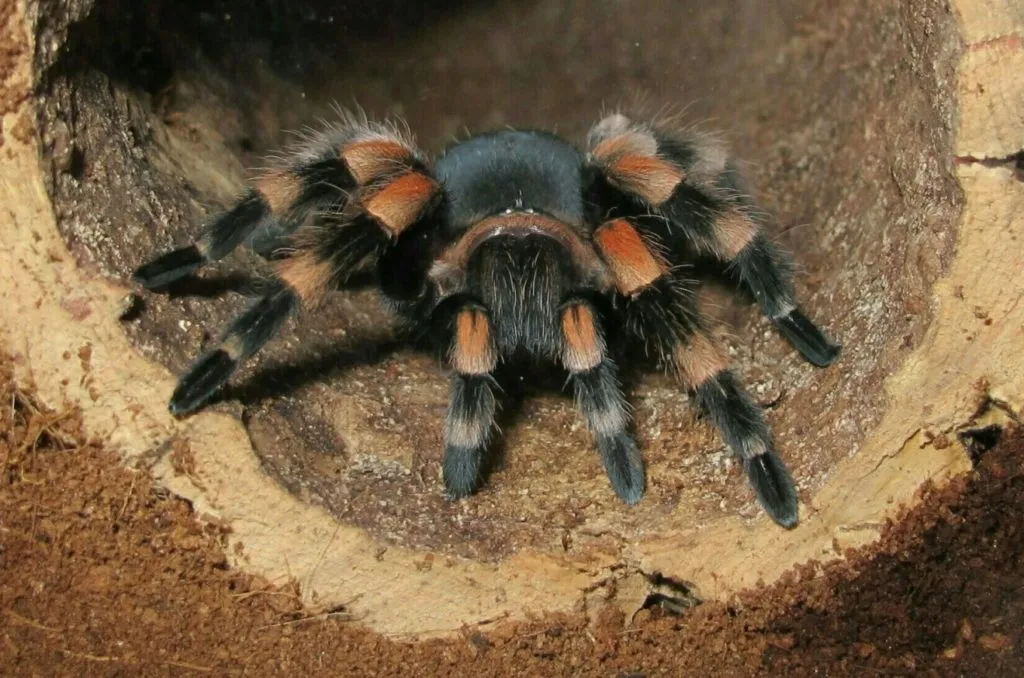
The physical differences between a tarantula and a black widow spider are quite striking. Tarantulas are large, hairy spiders, often with a leg span that can exceed six inches. Their bodies are typically brown or black, and they have a robust build. Black widows, on the other hand, are much smaller, usually less than half an inch in body length, excluding their legs. They are easily identifiable by their shiny black bodies and the characteristic red hourglass marking on their abdomens. This distinct visual contrast is often the first clue in identifying these spiders. Their size and build also contribute to their different lifestyles and behaviors.
Tarantulas

Tarantulas boast a wide range of colors and sizes, depending on the species. Their hairy legs and bodies are covered in setae, which serve sensory functions and can also be used defensively. Some species can flick these hairs as a defense mechanism, causing irritation to potential predators. They have large fangs, used for injecting venom into their prey, but their bite is generally not considered lethal to humans. Tarantulas are known for their relatively docile nature, although this can vary among different species and individuals. Their large size and intimidating appearance often lead to misconceptions about their aggression.
Black Widows
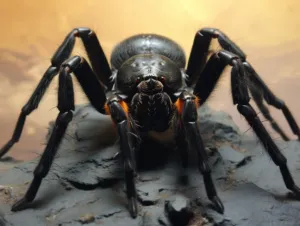
Black widows, in stark contrast, are small and sleek. The most recognizable feature is the glossy black body and the red hourglass marking on the underside of the abdomen. This marking serves as a warning to potential predators. Females are significantly larger than males and are the ones primarily responsible for bites, as they are more venomous. Their small size allows them to hide in tight spaces, making them difficult to spot. Despite their size, black widows possess a potent neurotoxic venom that can cause significant pain and, in rare cases, be life-threatening to humans.
Habitat and Geographic Distribution
Both tarantulas and black widows have a wide geographic distribution, but they prefer different environments. Understanding their habitats can help in avoiding encounters and appreciating their ecological roles. Their distribution also impacts their interaction with each other, and the potential for competition in overlapping territories. The variations in their habitats are directly correlated to the differences in their preferred prey, shelter needs, and their ability to adapt to the climate and surroundings.
Tarantulas
Tarantulas are found in various habitats, including tropical rainforests, deserts, and grasslands. They are native to the Americas, Africa, Asia, and Australia. They are typically terrestrial spiders, living in burrows, under rocks, or in the leaf litter. Some species are arboreal, living in trees. Their habitats vary widely, from humid environments to arid ones, reflecting their adaptability. They are often nocturnal hunters, preferring to stay hidden during the day and emerge at night to hunt for insects and other small prey.
Black Widows
Black widows are found throughout North America, South America, Australia, and other parts of the world. They thrive in warmer climates and prefer to live in sheltered locations such as woodpiles, sheds, garages, and under rocks. They build irregular webs in concealed areas to trap prey. Their presence is often unnoticed until they are disturbed. The spiders are commonly found near human dwellings, leading to more frequent encounters. Their adaptable nature allows them to thrive in various environments.
Venom and Toxicity
Venom is a key factor in the survival of both tarantulas and black widows. However, the composition and effects of their venom differ significantly. This section examines the types of venom and how they affect prey, as well as the potential dangers to humans. The understanding of the toxins is crucial for treating any bite-related incidents and highlights the impact each spider has on its environment.
Tarantula Venom

Tarantula venom is typically less potent than that of the black widow. It primarily consists of enzymes and toxins that paralyze their prey, such as insects, small reptiles, and amphibians. While a tarantula bite can be painful due to the size of the fangs and the injection of venom, it is rarely life-threatening to humans. Symptoms may include localized pain, redness, and swelling at the bite site. Allergic reactions are possible, but serious medical complications are uncommon. The primary function of the venom is to immobilize prey and aid in digestion.
Black Widow Venom
Black widow venom is far more potent and contains neurotoxins that affect the nervous system. Their venom is a complex mixture of toxins, including alpha-latrotoxin, which causes the release of neurotransmitters, leading to muscle cramps, nausea, and severe pain. A bite from a black widow can be extremely painful and cause symptoms such as muscle spasms, abdominal cramping, and difficulty breathing. While fatalities are rare, the venom can be particularly dangerous to young children, the elderly, and people with underlying health conditions. Medical attention is often required.
Hunting and Feeding Habits
Both tarantulas and black widows are predators, but their hunting strategies and diets differ. Their feeding habits are influenced by their size, venom potency, and habitat. Understanding these habits is vital for comprehending their role in the ecosystem. The methods they use to catch their prey and the types of prey they consume are essential parts of their survival strategies.
Tarantulas

Tarantulas are ambush predators. They typically wait in or near their burrows for prey to pass by. Their diet consists mainly of insects, but larger species can also consume small vertebrates such as lizards, mice, and birds. They use their fangs to inject venom and paralyze their prey before consuming it. Their large size and powerful fangs allow them to tackle a variety of prey. They play a significant role in controlling insect populations in their environments.
Black Widows
Black widows are web-building spiders that trap their prey in their sticky webs. Their diet consists primarily of insects, such as flies, mosquitoes, and other small invertebrates. When an insect gets caught in the web, the black widow quickly moves in, injects venom to paralyze the prey, and then wraps it in silk. They then consume the prey. The webs of black widows are often built in hidden locations, making it easier to trap unsuspecting insects. They are very effective hunters.
Size and Lifespan
Size and lifespan are essential factors in the life cycles of tarantulas and black widows. The differences in size and longevity have a significant impact on their survival strategies, reproductive capabilities, and overall place in the ecosystem. Knowing these aspects gives a more complete picture of their existence.
Tarantulas

Tarantulas are among the largest spiders in the world, with some species having a leg span of over ten inches. Female tarantulas can live for a very long time, often exceeding 20 years in the wild and even longer in captivity. Males, however, typically have a shorter lifespan, often only living for a few years after reaching maturity. Their slow growth rate contributes to their long lifespans. The size and longevity of tarantulas are fascinating characteristics of these arachnids.
Black Widows
Black widows are much smaller than tarantulas. Females typically live for about one to three years, while males have a much shorter lifespan, often only a few months. Their relatively short lifespans are due to various factors, including their size, the risks of predation, and the demands of reproduction. The size and lifespan of black widows are typical for spiders of their kind, but their potent venom makes them a formidable predator.
Predators and Threats
Both tarantulas and black widows face threats from predators and environmental factors. Understanding these threats is crucial for comprehending their vulnerability and the challenges they face in their respective habitats. These dangers influence their behavior, survival strategies, and overall impact on the ecosystem.
Tarantulas

Tarantulas are preyed upon by various animals, including birds, lizards, snakes, and other larger predators. They also face threats from parasites and habitat destruction. The tarantula’s size and defenses help it survive, but it still must avoid numerous predators. Their relatively slow movements make them vulnerable to swift predators, while the loss of their natural habitats due to human activity contributes to the decline in their populations. They also need to cope with other threats.
Black Widows
Black widows have fewer natural predators due to their venom, but they are still vulnerable to birds, lizards, and other spiders. They also face threats from parasitic wasps and habitat loss. They are known to be cannibalistic. Their ability to hide and build webs in hidden locations can increase their odds of survival. The impact of their venom also protects them from predators, but environmental changes and human interference still pose threats to their populations.
Behavior and Temperament
The behavior and temperament of tarantulas and black widows vary significantly. While the tarantula’s nature is often more docile, the black widow is more reclusive. Understanding their behavioral traits helps clarify their interactions with humans and other animals. Their varying temperaments dictate their survival strategies, hunting methods, and their place in the environment.
Tarantulas
Tarantulas are generally docile spiders that prefer to avoid conflict. They often retreat when threatened. They may flick their urticating hairs as a defense mechanism. Some species are more prone to defensive behaviors, such as raising their front legs or striking. However, most tarantulas are not aggressive. Their size and appearance can be intimidating, but their temperament is usually not. They will avoid confrontations when possible.
Black Widows
Black widows are reclusive spiders. They build webs in sheltered areas. They are not aggressive and only bite when threatened or disturbed. Their venom is a potent defense mechanism. They are more defensive than offensive. The small size and the nature of their webs help them avoid potential threats. Their preference for hidden habitats helps minimize contact with other creatures. They are masters of self-preservation.
Impact on Humans
The impact of tarantulas and black widows on humans differs significantly, mainly due to the potency of their venom. Recognizing the potential dangers and knowing how to react in the event of a bite is crucial. The knowledge also allows for a better understanding of the precautions to take and the proper medical care required.
First Aid for Tarantula Bite
A tarantula bite is usually not life-threatening, but it can be painful. The first steps include cleaning the wound with soap and water and applying a cold compress to reduce swelling and pain. It is essential to monitor the bite site for any signs of infection or allergic reaction. Medical attention is not usually required unless there is a severe allergic reaction. Avoiding scratching the bite site can prevent further irritation.
First Aid for Black Widow Bite
A black widow bite requires immediate medical attention due to its potent venom. The first steps involve cleaning the wound with soap and water and applying a cold compress. Seek medical help immediately, as antivenom may be needed. Keep the affected limb elevated and immobile. Symptoms can worsen rapidly. It is crucial to remain calm and seek professional medical assistance as quickly as possible.
Conservation Status and Threats
The conservation status of both tarantulas and black widows varies, with different species facing various threats. Understanding their status is essential for conservation efforts and for ensuring the survival of these arachnids. Protecting their habitats and raising awareness are vital steps.
Interesting Facts and Myths
Tarantulas and black widows have been the subject of numerous myths and legends. Separating fact from fiction is essential for gaining a correct understanding of these creatures. Debunking the myths also helps reduce unnecessary fear and promotes respect for these spiders.
Myth Busting
One common myth is that all tarantulas are highly venomous and aggressive. In reality, most tarantulas are not aggressive and their venom is not highly toxic to humans. Another myth is that black widows always kill the males after mating. While this can occur, it is not a universal behavior. Dispelling these myths provides a more accurate view of these spiders.
The Truth About Tarantulas
Tarantulas are generally docile spiders that prefer to avoid confrontation. They can live for many years. They are also excellent hunters, playing a vital role in their ecosystems. Tarantulas are fascinating creatures, and dispelling myths can increase appreciation of them. They have different defense mechanisms. These include flicking hairs, but their bites are often not life-threatening. The tarantula is truly a unique and amazing spider.
Conclusion
In conclusion, the tarantula and the black widow spider, though both arachnids, exhibit significant differences in appearance, habitat, venom potency, and behavior. The black widow’s potent venom poses a greater threat to humans, while tarantulas are generally more docile. Understanding these differences is crucial for safety and appreciating the diversity of the arachnid world. These 10 facts provide a glimpse into the lives of these remarkable creatures and the vital roles they play in their respective ecosystems.