Tarantula Wasp Sting How to Handle it
Encountering a tarantula wasp can be a startling experience, and understanding how to handle a potential sting is crucial for your safety. These formidable insects, known for their impressive size and potent sting, are a part of the natural world. This guide aims to provide comprehensive information on identifying tarantula wasps, recognizing the sting, taking immediate actions, and ensuring proper long-term care. Whether you are a nature enthusiast, an outdoor worker, or simply curious, being informed can significantly reduce the risk and help you respond effectively if a sting occurs.
Understanding Tarantula Wasps
What are Tarantula Wasps

Tarantula wasps, belonging to the family Pompilidae, are large, solitary wasps, with the females being the largest. Their primary role is to hunt tarantulas, paralyzing them to serve as food for their larvae. These wasps are typically found in warmer climates, where tarantulas are prevalent. They play a crucial role in the ecosystem, controlling tarantula populations. Learning about their environment, behavior, and characteristics provides the first step in understanding the risks associated with them. They are generally not aggressive unless threatened, but their powerful sting makes them insects to be wary of when disturbed.
Tarantula Wasp Behavior
Tarantula wasps exhibit fascinating behaviors, including the hunting of tarantulas. The females are known for their meticulous process of finding and subduing their prey. Once a tarantula is found, the wasp will engage in a strategic battle, delivering a sting that paralyzes the spider. The wasp then drags the paralyzed tarantula to a burrow, where it lays an egg on the spider’s abdomen. When the egg hatches, the wasp larva consumes the tarantula. Understanding these behaviors can help one recognize potential hazards and avoid unnecessary encounters. These wasps tend to be most active during warmer months, especially in late summer.
Identifying a Tarantula Wasp
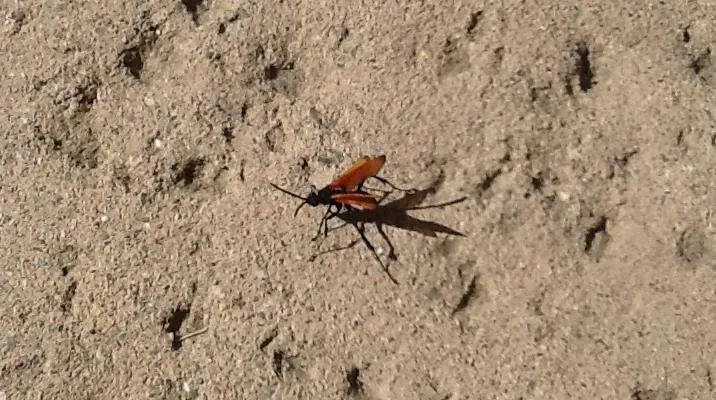
Identifying a tarantula wasp is essential for avoiding stings. They are typically large, often 1 to 2 inches in length, with a vibrant color. They have long legs, which they use to walk around and search. The coloring can range from a deep blue-black body to a rusty orange or brownish wings. When identifying a tarantula wasp, look for its distinct features and compare them to images for accurate identification. The appearance can vary slightly depending on the species. Being able to recognize these features helps one to distinguish them from other less dangerous insects, such as other wasps. This knowledge allows for appropriate precautions and safety measures.
Recognizing the Sting

The Sting Itself
The sting of a tarantula wasp is notoriously painful, often described as one of the most painful insect stings in the world. The wasp injects venom that affects the nervous system, causing immediate and intense pain. The pain can last for several minutes, but it can vary. The intensity of the sting can depend on the wasp’s size and the amount of venom injected. It is important to understand the sting’s impact to be prepared to act quickly and respond appropriately. While the pain is intense, the sting is not usually fatal, though it can cause serious discomfort and potential complications.
Symptoms of a Tarantula Wasp Sting
The symptoms of a tarantula wasp sting can include immediate and intense pain, redness, swelling at the site of the sting. The pain usually peaks within a few minutes and may last for several hours. Other symptoms can include localized swelling, heat, and tenderness. In rare cases, more severe symptoms may occur, especially if the person is allergic to the venom, which include difficulty breathing, dizziness, or a rapid heart rate. Understanding these symptoms allows one to assess the severity of the sting and take appropriate action. Seeking medical help promptly is critical if there are signs of a serious allergic reaction.
Immediate Actions After Being Stung

Stay Calm and Remove the Stinger
The first step after being stung is to remain calm. Panic can worsen the experience and potentially escalate the situation. Assess the sting site to check for the presence of a stinger. Although tarantula wasps do not usually leave their stingers behind, it is good practice to examine the area for any foreign objects. If a stinger is visible, gently remove it without squeezing the venom sac. Use a credit card, or a similar flat-edged object, to scrape the stinger out. Avoid using tweezers, as they could squeeze the venom sac. Washing the area with soap and water can help prevent infection.
Seek Medical Attention When Needed
While a tarantula wasp sting is rarely life-threatening, it is important to seek medical attention if you experience severe symptoms. These may include difficulty breathing, severe swelling, dizziness, or a rapid heart rate. Allergic reactions can progress quickly, so immediate medical attention is essential. If you are unsure about the severity of your symptoms, it is best to err on the side of caution and consult a healthcare professional. They can provide appropriate treatment to alleviate symptoms and prevent potential complications. They may administer antihistamines or epinephrine to counter allergic reactions.
First Aid Steps

First aid for a tarantula wasp sting focuses on reducing pain and minimizing the symptoms. Applying ice packs to the sting site can help to reduce pain and swelling. Over-the-counter pain relievers, such as ibuprofen or acetaminophen, can also provide relief. Washing the sting area with soap and water is crucial to prevent infection. Elevating the affected limb can help reduce swelling. Regularly observe the sting site for signs of infection or worsening symptoms. Applying a paste of baking soda and water to the sting area is also effective for reducing the sting’s painful effects. These basic first aid steps can help manage the symptoms and promote faster recovery.
Long-Term Recovery and Care
Managing Pain and Swelling
After the initial sting, managing pain and swelling is critical for recovery. Continue to apply ice packs to the sting site to reduce swelling and pain. Over-the-counter anti-inflammatory drugs, like ibuprofen, can help manage pain and reduce swelling. If the pain is severe, consider consulting a healthcare professional, who might prescribe stronger pain relievers. Keep the sting site clean and dry to prevent infection. Avoid scratching the area, as it can worsen inflammation and increase the risk of infection. Monitor the site for any signs of infection, such as increased redness, warmth, or pus. Following these measures will help to ensure a smoother, faster recovery.
When to Seek Professional Medical Help

It’s important to know when to seek medical help after being stung. Contact a healthcare professional if you experience any of the following signs such as signs of a severe allergic reaction, including difficulty breathing, swelling of the throat or face, or hives. Seek medical assistance if you notice signs of infection, such as increased redness, pus, or fever. Any symptoms like dizziness, a rapid heartbeat, or confusion should be evaluated by a medical professional. Prompt medical attention is essential for preventing complications. Do not hesitate to seek assistance; your health is a priority.
Preventing Future Stings
Habitat Awareness
Understanding the habitats of tarantula wasps can significantly reduce the risk of being stung. These wasps are commonly found in warm climates, especially in areas where tarantulas are present. Familiarize yourself with the typical environments of these wasps. When working or recreating in these areas, wear appropriate protective gear. Be particularly cautious during warmer months, when the wasps are most active. Keep an eye out for their nests, usually located in the ground. Avoid disturbing their nests, as this can trigger a defensive response. Practicing habitat awareness will improve one’s ability to avoid unwanted encounters.
Protective Gear

Using protective gear is a good preventive measure when working or recreating in areas where tarantula wasps are present. Wear long sleeves and pants, and consider wearing a hat to protect your head and neck. Closed-toe shoes will provide protection for your feet. Avoid bright colors, as they can attract insects. Wearing light-colored clothing is advisable. When working in areas known to have these wasps, consider wearing gloves. If you are aware of their presence, use insect repellent, especially those that contain DEET or picaridin. Protective gear increases a person’s safety and reduces the likelihood of being stung.
Avoiding Tarantula Wasps
One of the best ways to prevent a tarantula wasp sting is to avoid these wasps. Be aware of their presence in areas known to be their habitat. Avoid disturbing their nests. When working outdoors, remain alert and cautious. If you encounter a tarantula wasp, do not make any sudden movements. Avoid swatting at them, which can trigger an attack. Maintain a safe distance, and slowly move away. By staying calm, aware, and taking precautions, you can reduce your risk of being stung. Understanding their behavior and taking appropriate steps can ensure your safety when encountering these wasps.
In conclusion, handling a tarantula wasp sting demands knowledge, preparedness, and swift action. By understanding these wasps, recognizing the sting, and taking immediate first aid measures, you can minimize the impact of a sting. Always prioritize your safety by seeking medical assistance when needed. Further, by implementing preventive strategies like habitat awareness, wearing protective gear, and avoiding disturbing these insects, you will significantly decrease your risk of experiencing a sting. Stay informed, be cautious, and enjoy the outdoors safely.